

 EN

how-multiple-pulse-modes-reduce-heat-damage-during-ipl-work, how-multiple-pulse-modes-reduce-heat-damage-during-ipl-work, /blog
EN
Multiple pulse modes help an ipl machine deliver light energy in controlled segments rather than one uninterrupted burst. That timing can reduce unnecessary heat accumulation in the epidermis while still allowing energy to reach the intended treatment area. Understanding the mechanism helps clinic teams choose settings more carefully and explain why pulse structure matters.
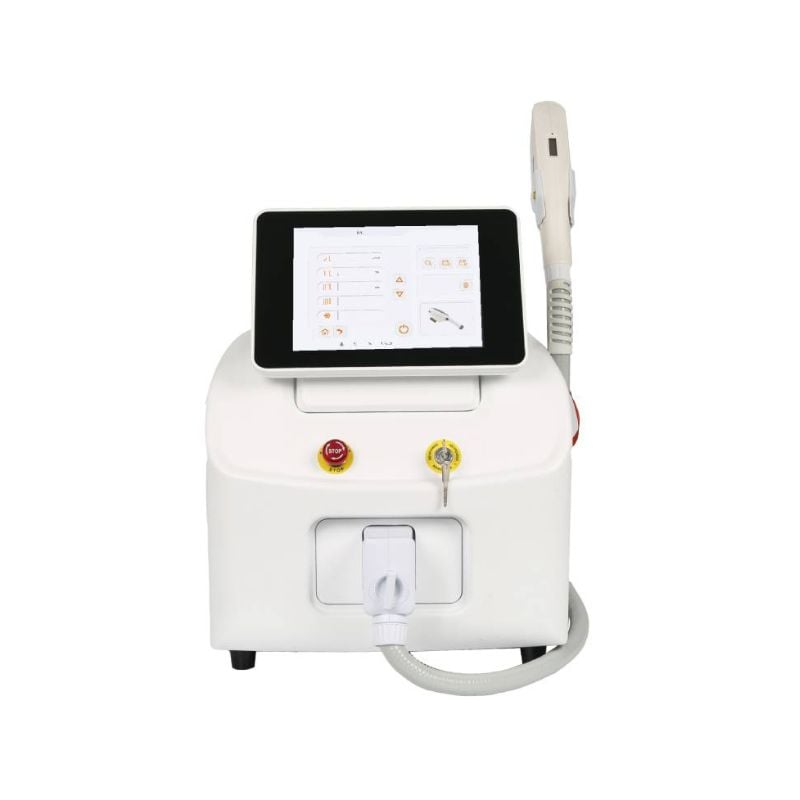
The benefit is not simply that more pulses are always safer. A well-configured intense pulsed light device balances pulse duration, intervals, fluence, spot placement, and skin response. For a skin rejuvenation device used in photofacial work, those factors influence how heat builds and dissipates; photorejuvenation equipment must therefore be operated with attention to both the selected mode and the individual treatment plan.
A single long pulse keeps energy flowing through tissue for a sustained period. Multiple pulses divide the delivery into shorter exposures, with intervals between them. When an ipl machine uses a suitable sequence, the target can absorb light during each pulse while surrounding tissue has a brief opportunity to release some heat before the next exposure.
This is a timing strategy, not a guarantee against injury. An intense pulsed light device still transfers energy into tissue, and excessive fluence or poor contact can overwhelm the intended margin of safety. Operators should understand the relationship between pulse duration and delay instead of treating the number of pulses as an isolated safety setting.
The interval between pulses affects how much residual heat remains when the next pulse begins. A longer interval may allow more surface cooling, while an interval that is too short can let heat accumulate. Photorejuvenation equipment should provide clearly defined mode settings so trained users can follow the treatment protocol for the indication and skin characteristics.
A skin rejuvenation device may offer different pulse patterns because treatment areas and concerns do not respond identically. The operator should compare the selected sequence with the device guidance and assess the client’s response throughout the session. Multiple pulses are most useful when their timing supports controlled delivery, rather than when they are chosen simply to increase the pulse count.
Treatment planning begins with the area, the intended target, and the client’s relevant skin characteristics. A smaller or more sensitive area may call for a cautious approach and close observation, while a larger area requires consistent technique across passes. An ipl machine should be set according to its instructions, not by transferring settings informally from another treatment or device.
For an intense pulsed light device, pulse width and spacing work alongside fluence and wavelength filters. Changing one variable can alter the thermal effect of the whole sequence. Photorejuvenation equipment users should document settings and treatment response so that a later session can be planned from an accurate record, rather than relying on memory or assumptions.
Pulse mode cannot compensate for an unsuitable energy level. If fluence is too high for the treatment plan, dividing energy into several pulses may still create excessive heating. A skin rejuvenation device should be used with the prescribed contact method and cooling approach, since inconsistent contact or inadequate surface cooling can affect comfort and treatment consistency.
Operators should also avoid overlapping passes unless the protocol specifically calls for them. Repeated exposure in the same spot can add heat even when each individual pulse appears modest. For an ipl machine, deliberate spacing, stable hand placement, and regular checks of skin response make pulse timing part of a broader heat-management method rather than a standalone feature.
A controlled workflow starts with device checks, a review of the treatment plan, and preparation of the skin according to professional guidance. Confirm the selected filter, pulse mode, fluence, and cooling method before treating. The intense pulsed light device should be operated by a trained professional who can recognize when the actual response differs from the expected response.
During treatment, observe the skin after test exposures and at suitable intervals. A skin rejuvenation device does not provide a substitute for visual assessment or clinical judgment. If the response suggests excessive heat or irritation, pause and reassess rather than completing a pass to meet a preset schedule. Photorejuvenation equipment settings should remain subordinate to safe treatment decisions.
Record the mode, pulse timing, energy setting, treatment area, and observed response. These details help the operator identify whether the selected sequence produced a tolerable and appropriate outcome. An ipl machine may have several modes, but useful selection depends on consistent records and careful interpretation, not on choosing the most complex pattern available.
Reviewing outcomes can also reveal process issues, such as inconsistent overlap or variation in contact pressure. If a client’s response differs from expectations, revisit the treatment plan and device guidance before repeating the same settings. Photorejuvenation equipment is most effectively managed when pulse mode, cooling, technique, and follow-up observations are considered together.
No. Multiple pulses can create intervals for heat dissipation, but outcomes depend on pulse timing, energy, cooling, technique, and individual response. An ipl machine must be operated within its instructions, and a pulse mode does not remove the need for careful assessment.
Use the device protocol and treatment plan rather than selecting spacing by guesswork. The intense pulsed light device settings should account for the indication and area, with observation during treatment. A skin rejuvenation device’s available modes should not be treated as interchangeable.
Appropriate fluence, consistent contact, suitable cooling, deliberate pass spacing, and ongoing skin checks all matter. Photorejuvenation equipment should be used by trained professionals who document settings and pause when the response calls for reassessment.

