

 EN

how-pullback-technique-influences-endolaser-treatment-coverage, how-pullback-technique-influences-endolaser-treatment-coverage, /blog
EN
The pullback technique represents a critical procedural element in modern endolaser treatment protocols. This method directly influences how effectively an endolaser system delivers energy across targeted tissue areas, determining both the uniformity of results and the efficiency of the minimally invasive laser device. Understanding the relationship between pullback mechanics and treatment coverage is essential for practitioners seeking to optimize clinical outcomes while maintaining safety standards.
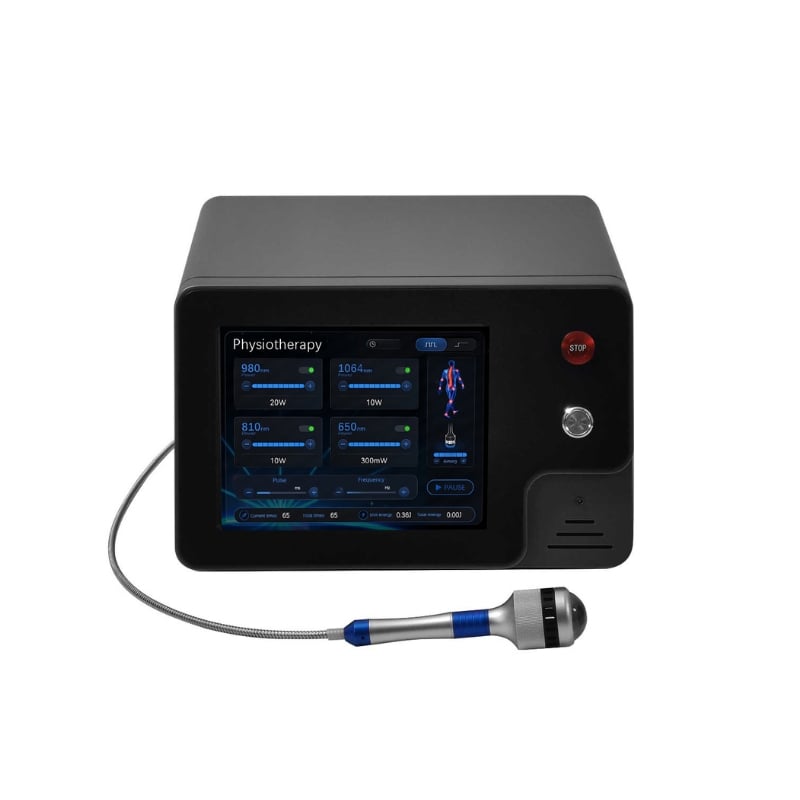
The pullback technique involves controlled, measured withdrawal of the laser lipolysis fiber through the treatment zone. This controlled movement ensures continuous energy application across the entire target area rather than localized hotspots. When performed correctly, the pullback technique significantly enhances the precision and predictability of endolaser treatment, allowing clinicians to achieve consistent results across varying tissue depths and anatomical structures while minimizing thermal damage to surrounding tissue.
In any minimally invasive laser device application, the position and movement of the laser lipolysis fiber determine energy distribution patterns. During the pullback technique, the fiber moves progressively from deeper tissue layers toward the surface at a controlled velocity. This movement must synchronize with the laser output settings to create overlapping zones of thermal effect. The pullback rate, typically measured in millimeters per second, directly correlates with tissue temperature rise and treatment depth penetration.
The laser lipolysis fiber composition and tip design influence how effectively the pullback technique performs. Different fiber types exhibit varying thermal profiles and scattering patterns within tissue. A minimally invasive laser device equipped with optimized fiber geometry allows practitioners to execute predictable pullback sequences. Consistency in fiber characteristics ensures that repeated pullback movements produce uniform energy deposition, which is fundamental to achieving the consistent coverage that modern clinical standards demand.
Coverage uniformity directly relates to treatment efficacy and patient satisfaction. When the pullback technique is executed improperly, energy distribution becomes uneven, potentially resulting in under-treated zones that compromise clinical results. A well-executed endolaser treatment using proper pullback methodology distributes energy evenly across the target zone, maximizing therapeutic benefit. Studies in minimally invasive laser applications consistently demonstrate that standardized pullback protocols produce more predictable outcomes than ad hoc approaches.
The speed of pullback fundamentally affects the thermal history experienced by tissue. Slower pullback allows more energy accumulation per unit distance, useful for deeper penetration. Faster pullback distributes energy over greater surface area, reducing localized heating. An expert practitioner adjusts pullback velocity based on endolaser treatment goals, fiber characteristics, and tissue composition. This adaptive approach to the pullback technique transforms the minimally invasive laser device from a simple heat source into a precision instrument capable of achieving highly controlled therapeutic results.
Multiple procedural variables interact to determine the effectiveness of the pullback technique in endolaser treatment. These include laser power settings, pullback velocity, fiber insertion depth, tissue density variations, and the number of passes made through the treatment zone. Each variable influences the final thermal map produced within the tissue. A minimally invasive laser device operator must understand these interactions to adjust the pullback technique appropriately for different clinical scenarios.
The laser lipolysis fiber's thermal output must be balanced against pullback speed to achieve target coverage. Higher power settings enable faster pullback while maintaining adequate energy delivery. Lower power settings may require slower pullback to achieve the same thermal effect. This inverse relationship means that endolaser treatment planning requires deliberate consideration of both laser parameters and mechanical technique. The pullback technique thus becomes a dynamic element that must be continuously adjusted rather than applied uniformly across all cases.
In clinical practice, the pullback technique adapts to anatomical and procedural variations. When treating areas with significant fibrous tissue, the pullback technique may need to be slower to ensure adequate thermal energy penetration. In more homogeneous tissue, standard pullback velocities often suffice. Different endolaser treatment indications demand different tactical approaches to the pullback method. A practitioner proficient with the minimally invasive laser device understands these distinctions and modulates technique accordingly.
The relationship between pullback technique and coverage becomes especially important in confined anatomical spaces. When accessibility limits the number of treatment passes possible, the efficiency of each pullback sequence becomes critical. An optimized pullback technique can achieve therapeutic coverage in single-pass scenarios where inefficient technique would require multiple passes. This efficiency benefit translates directly to reduced procedure time and reduced total laser energy exposure, improving both clinical economics and patient safety profiles.
Mastery of the pullback technique requires structured training and consistent practice. Clinical staff implementing endolaser treatment must understand the mechanical and thermal principles governing the laser lipolysis fiber behavior. Without proper foundational knowledge, practitioners may inadvertently perform the pullback technique in ways that compromise coverage uniformity. Standardized training protocols help ensure that all operators achieve predictable coverage outcomes with every endolaser treatment procedure.
Documentation of pullback parameters for each endolaser treatment case enables continuous improvement and outcome tracking. Recording pullback velocity, laser power, total passes, and time per zone creates a dataset that reveals which combinations produce optimal results. Over time, this data-driven approach to the pullback technique builds institutional knowledge about how to optimize the minimally invasive laser device for specific applications. Documentation also provides a reference for troubleshooting cases where coverage proved inadequate.
Consistent coverage assessment requires specific evaluation methods. Visual inspection during the pullback technique provides real-time feedback about tissue response patterns. Thermal imaging, when available, offers objective measurement of tissue temperature during the procedure, allowing practitioners to verify that the pullback technique is delivering energy as intended. Post-procedure assessments help confirm that endolaser treatment coverage met clinical objectives.
The laser lipolysis fiber tip must maintain consistent contact with tissue throughout the pullback technique execution. Loss of contact during pullback creates energy delivery gaps that compromise coverage uniformity. Maintaining appropriate tissue contact pressure while moving the fiber requires developed tactile skills. Training programs should emphasize this mechanical aspect of the pullback technique, as contact consistency directly determines whether the endolaser treatment achieves the uniform coverage that clinical protocols demand.
Pullback speed directly affects thermal penetration depth in endolaser treatment. Slower pullback velocities allow more heat accumulation per unit tissue distance, enabling deeper thermal effects. Faster pullback spreads energy over greater surface area, reducing per-unit heating but covering more surface area efficiently. A minimally invasive laser device operator adjusts pullback speed based on target depth and tissue composition, making it a critical control variable for achieving both adequate coverage and appropriate thermal distribution throughout the treatment zone.
Laser lipolysis fiber quality fundamentally impacts pullback technique consistency and predictability. High-quality fibers maintain consistent energy output characteristics throughout their operational life, ensuring that repeated pullback sequences produce uniform results. Fibers with manufacturing defects or degraded optical properties create unpredictable thermal patterns, potentially causing coverage gaps during endolaser treatment. A minimally invasive laser device system with premium laser lipolysis fiber components delivers superior results when combined with expert pullback technique execution.
The pullback technique offers limited compensation for inadequate laser power in endolaser treatment. While slower pullback increases energy delivery per unit distance, it cannot overcome fundamental insufficiency in total laser output. The most reliable approach involves selecting appropriate laser power settings first, then optimizing the pullback technique to achieve uniform coverage within those parameters. A minimally invasive laser device system functions most effectively when both laser power and pullback technique operate within their designed performance ranges, creating synergistic results rather than relying on one parameter to compensate for another.

