

 EN

how-pulse-frequency-and-pressure-shape-shockwave-therapy-outcomes, how-pulse-frequency-and-pressure-shape-shockwave-therapy-outcomes, /blog
EN
Pulse frequency and pressure are two distinct controls that shape how a shockwave therapy machine delivers treatment. Frequency determines how quickly pulses are repeated; pressure relates to the energy transferred at the treatment site. Their effect depends on the clinical goal, target tissue, applicator, and patient response, so neither setting should be chosen in isolation.
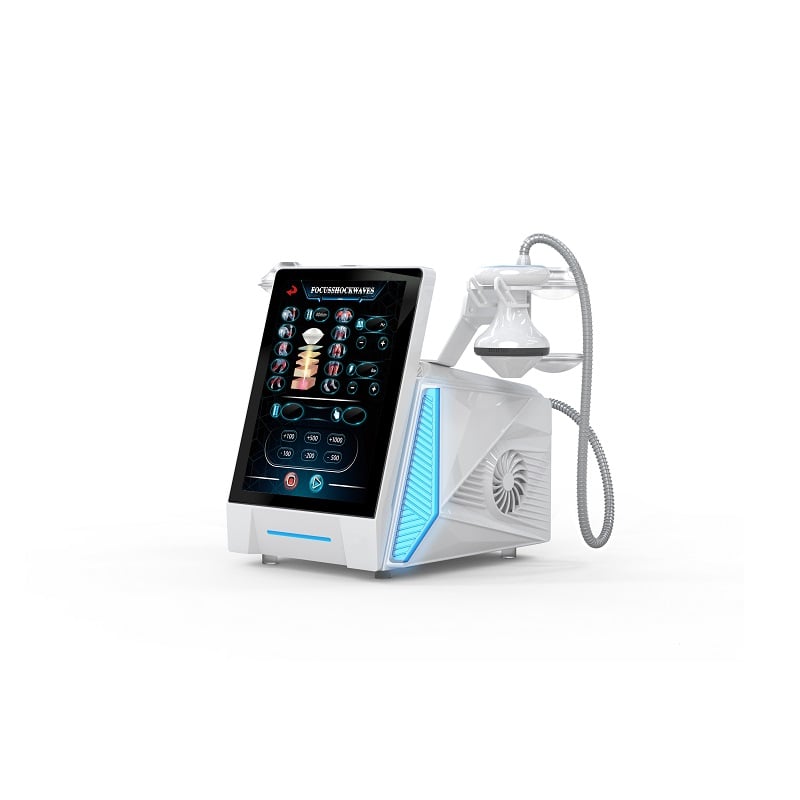
Understanding these variables helps clinicians build a more considered treatment plan rather than relying on a single preset. In extracorporeal shockwave therapy, pulse delivery, energy level, and tissue contact work together. A radial shockwave device and a focused system may deliver energy differently, making the treatment objective and the intended depth important parts of musculoskeletal therapy planning.
Frequency is usually expressed as pulses per second, or hertz. Raising the frequency shortens the interval between successive pulses and can make a session move faster when the pulse count stays constant. It does not automatically mean that each pulse carries more energy. A shockwave therapy machine may allow frequency and energy to be adjusted separately, and clinicians should understand which control they are changing.
For extracorporeal shockwave therapy, frequency is one element of the protocol, not a direct measure of treatment strength. The selected rate should fit the patient’s tolerance, the size of the area, and the planned number of pulses. A radial shockwave device may be used over a broader region, where a steady pace helps the operator maintain consistent coverage. In musculoskeletal therapy, treatment rhythm also affects how easily the clinician can monitor comfort and technique.
A faster delivery rate can reduce the time needed to administer a set pulse count, but speed alone is not a therapeutic objective. If a patient becomes uncomfortable or the applicator shifts, a rapid rhythm may make it harder to maintain controlled contact. With a shockwave therapy machine, a measured cadence gives the clinician time to assess the response and keep the applicator moving as planned.
The appropriate pulse rate can vary between a small, localized target and a larger treatment area. In extracorporeal shockwave therapy, operators should consider the protocol, device instructions, and patient feedback together. A radial shockwave device often calls for even, deliberate movement across the selected region. These choices support repeatable musculoskeletal therapy, while leaving room to pause or modify the session if tolerance changes.
Pressure settings influence the energy delivered by the system, although devices may display or describe output differently. They should not be treated as interchangeable with frequency. Increasing pressure while keeping the pulse rate unchanged alters a different part of the treatment dose than increasing pulses per second. Clinicians using a shockwave therapy machine should consult its operating guidance and interpret settings in the context of the applicator.
In extracorporeal shockwave therapy, a higher setting is not automatically a better setting. The aim is to deliver an appropriate stimulus for the indication and patient, not to maximize output. A radial shockwave device may distribute energy from the applicator into tissue in a different pattern from a focused system, so labels and numerical values cannot always be compared directly. This distinction matters in musculoskeletal therapy when selecting a target and discussing expectations.
Patient comfort provides useful feedback, but it does not replace clinical assessment or protocol guidance. A clinician may adjust pressure, application technique, or treatment area when a response suggests that the current approach is poorly tolerated. A shockwave therapy machine should be operated within its specified range, with changes made deliberately rather than as a reflex to each sensation.
For extracorporeal shockwave therapy, consistent coupling and stable applicator contact help make delivery more controlled. If contact is uneven, the operator may not be delivering energy as intended, regardless of the selected pressure. With a radial shockwave device, keeping the applicator aligned and moving at a suitable pace supports an even approach. Such practical checks are central to safe, individualized musculoskeletal therapy.
A practical protocol begins with a clear treatment objective, an appropriate target, and an understanding of the device’s delivery method. The clinician then considers pulse count, frequency, pressure or energy, and application technique as related decisions. A shockwave therapy machine should make these settings clear enough for the operator to document and reproduce a session when clinically appropriate.
In extracorporeal shockwave therapy, the intended tissue depth and treatment area influence whether a focused or radial approach is suitable. A radial shockwave device may fit applications requiring treatment across a broader superficial region, while focused delivery is selected when the clinical plan calls for a more localized target. These are planning considerations, not universal rules; musculoskeletal therapy must be tailored to the case.
After treatment, clinicians can record the selected frequency, pressure or energy setting, pulse count, applicator, target, and patient response. This record helps distinguish which parts of the protocol may need adjustment at a later visit. With a shockwave therapy machine, consistent documentation supports continuity without assuming that one setting will suit every patient or every session.
When a response is limited or tolerance changes, review the diagnosis, treatment goal, technique, and settings together. In extracorporeal shockwave therapy, simply increasing pressure may overlook other factors, such as target selection or applicator contact. A radial shockwave device also requires technique appropriate to its output. Thoughtful review helps keep musculoskeletal therapy focused on a reasoned plan rather than routine escalation.
Device capability is another practical consideration. Operators should confirm that a shockwave therapy machine provides the controls and applicators needed for the intended workflow, and that staff understand the displays and operating instructions. For extracorporeal shockwave therapy, familiarity with the equipment helps translate a clinical protocol into consistent delivery. The radial shockwave device should be selected and used according to the treatment plan, not solely because a setting appears more powerful.
Ultimately, outcomes depend on the full clinical context, including patient selection, diagnosis, treatment technique, and follow-up. Pulse frequency shapes delivery pace; pressure influences delivered energy; neither can guarantee a particular result. In musculoskeletal therapy, sensible calibration means starting with a defined rationale, monitoring response, and documenting changes. That disciplined process makes the settings of a shockwave therapy machine clinically meaningful.
No. Frequency describes how quickly pulses are delivered, whereas pressure or energy relates to output. In extracorporeal shockwave therapy, clinicians consider both controls alongside the target and patient response. Changing frequency alone does not necessarily increase the energy of each pulse.
Pressure should be selected according to the clinical objective, device instructions, treatment method, and patient tolerance. A radial shockwave device may use different output characteristics from a focused system, so operators should not assume that displayed values are directly comparable. Adjustments should remain deliberate and documented.
No single setting is appropriate for every patient, target, or session. A shockwave therapy machine offers controls, but clinical assessment determines how they are applied. Effective musculoskeletal therapy depends on suitable patient selection, correct technique, and ongoing review rather than a universal frequency or pressure value.

