

 EN

how-pulse-waveforms-differ-across-modern-pemf-therapy-devices, how-pulse-waveforms-differ-across-modern-pemf-therapy-devices, /blog
EN
Modern pulse waveforms differ in shape, duration, frequency, intensity, and timing. Those settings determine how a pemf therapy device delivers its magnetic pulses, so comparing devices requires more than checking a single frequency or maximum output value. Understanding the waveform helps technical buyers assess whether equipment offers the control and documentation their intended application requires.
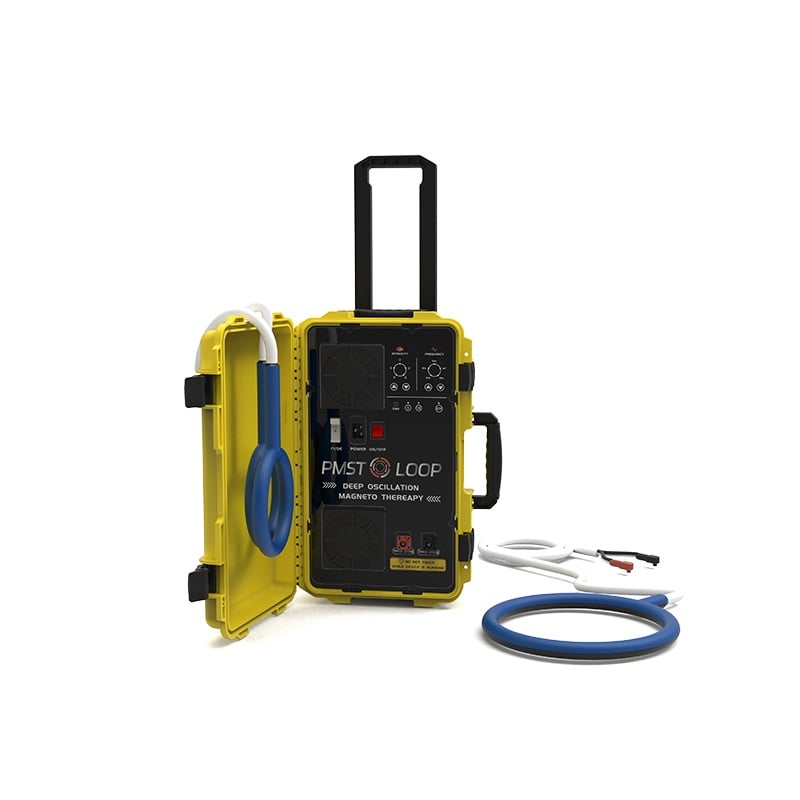
In pulsed electromagnetic field therapy, the field is delivered in repeated bursts rather than as a continuous signal. Differences in pulse shape and sequence affect how a system is configured and operated. When reviewing pemf therapy equipment for a recovery therapy device application, buyers should examine the complete pulse pattern, not treat one headline specification as a full description.
A waveform describes how magnetic field intensity changes over time. A pemf therapy device may generate a sharp pulse, a smoother rise and fall, or a more complex pattern made from several phases. In pulsed electromagnetic field therapy, pulse duration and spacing give meaning to the visible shape; two systems with a similar peak may still deliver different signal timing.
Pulse duration is the time occupied by an individual event, while pulse interval describes the pause before a later event. These values are not interchangeable with frequency. Buyers assessing pemf therapy equipment should request definitions for each value, including whether the specification refers to an individual pulse, a burst, or a complete repeating sequence. This clarity supports a meaningful comparison.
Frequency indicates how often a signal repeats, but a device may organize pulses into groups or bursts. A recovery therapy device can therefore have a pulse repetition rate, a burst rate, and a program duration that each describe a different part of operation. A pemf therapy device should identify which rate its display or technical sheet reports.
In pulsed electromagnetic field therapy, a burst can contain multiple pulses followed by a longer pause. Such a sequence differs from evenly spaced individual pulses, even if a displayed average frequency appears similar. When comparing pemf therapy equipment, ask for a waveform diagram or clear timing description so operators can understand the actual sequence rather than infer it from a single number.
Field intensity is one part of waveform delivery, but the selected applicator and its position also matter to the practical setup. A recovery therapy device should state how output is specified and which applicator or operating condition applies. For a pemf therapy device, clear documentation helps staff distinguish a setting value from a measurement taken under a defined configuration.
The coil creates the magnetic field, so coil geometry and distance from the treatment area can influence the field distribution. Pulled from a specification sheet alone, a peak value may not explain how the field varies across the usable area. Buyers reviewing pemf therapy equipment should check whether output information describes a particular coil, placement, and measurement method.
A pulsed electromagnetic field therapy program may let an operator adjust intensity independently from frequency, while another design may link settings within preset modes. Neither approach should be judged without considering workflow and documentation. A recovery therapy device is easier to assess when its controls show which waveform properties can be changed and which are fixed by the selected program.
Some systems offer one consistent pulse sequence; others provide multiple programs with different timing or intensity settings. For a pemf therapy device, the important distinction is whether program names are supported by precise parameter descriptions. Operators need to know what changes between modes, how settings are selected, and whether the selected waveform can be checked before a session begins.
In pulsed electromagnetic field therapy, session duration does not describe pulse frequency or intensity. It indicates how long the program runs, which is a separate operating parameter. When evaluating pemf therapy equipment, review how the timer interacts with the chosen mode and whether the interface clearly communicates both the session and waveform settings to the intended user.
For a recovery therapy device used in a clinic or a managed facility, repeatability matters in everyday operation. Clear presets can simplify setup, while adjustable controls may support more specific workflows if staff receive suitable training. A pemf therapy device should make the relationship between its waveform options and operating instructions easy to verify rather than leave critical details implicit.
A useful comparison records pulse shape, pulse duration, repetition frequency, burst structure, intensity range, and program length together. In pulsed electromagnetic field therapy, these details explain more than frequency alone. Buyers should also note the coil or applicator associated with each specification, because the stated output may depend on the configuration used to define it.
Ask whether waveform diagrams represent measured output or an illustrative control signal, and confirm the units used for each parameter. For pemf therapy equipment, documentation should explain adjustable ranges, preset behavior, and the conditions attached to output values. A recovery therapy device becomes easier to evaluate when technical information and operator instructions describe the same settings consistently.
The right design depends on who will operate the equipment, how frequently settings change, and what records the organization must maintain. A pemf therapy device with straightforward presets may suit a standardized workflow, while a system with more adjustment options may require greater training and stronger parameter controls. The waveform itself should be assessed alongside usability and support documentation.
For pulsed electromagnetic field therapy used in a professional setting, confirm that staff can identify the selected program and reproduce its settings in routine use. A recovery therapy device should also fit the intended space, applicator handling, and cleaning process. These operational details do not alter the waveform, but they influence whether the specified pattern can be delivered consistently in practice.
Finally, separate technical description from claims about outcomes. Waveform differences can be compared objectively through signal characteristics and device controls, but a specification alone does not establish clinical effectiveness. When reviewing a pemf therapy device, use the manufacturer’s technical documentation, intended-use information, and applicable regulatory materials to guide procurement and operational decisions.
Not by itself. Frequency describes repetition, while pulse shape, duration, intensity, and burst timing describe other features. Compare the complete specification with the intended workflow rather than treating a higher frequency as proof of suitability.
They may use different pulse shapes, burst patterns, intensity controls, applicators, or preset logic. The same frequency value does not mean that the full waveform or operator experience is identical.
Request definitions and units for waveform parameters, diagrams or timing descriptions, output conditions, applicator details, and program instructions. Clear, consistent documents help technical teams compare systems and train operators accurately.

