

 EN

how-pulsed-electromagnetic-fields-interact-with-cell-membranes, how-pulsed-electromagnetic-fields-interact-with-cell-membranes, /blog
EN
A pemf therapy device produces changing magnetic fields that can pass through tissue and interact with electrically responsive structures, including cell membranes. The interaction is not a simple switch that turns cells on. It depends on the signal, exposure conditions, tissue characteristics, and the biological state being studied. Understanding these factors helps explain pulsed electromagnetic field therapy without overstating what a treatment can do.
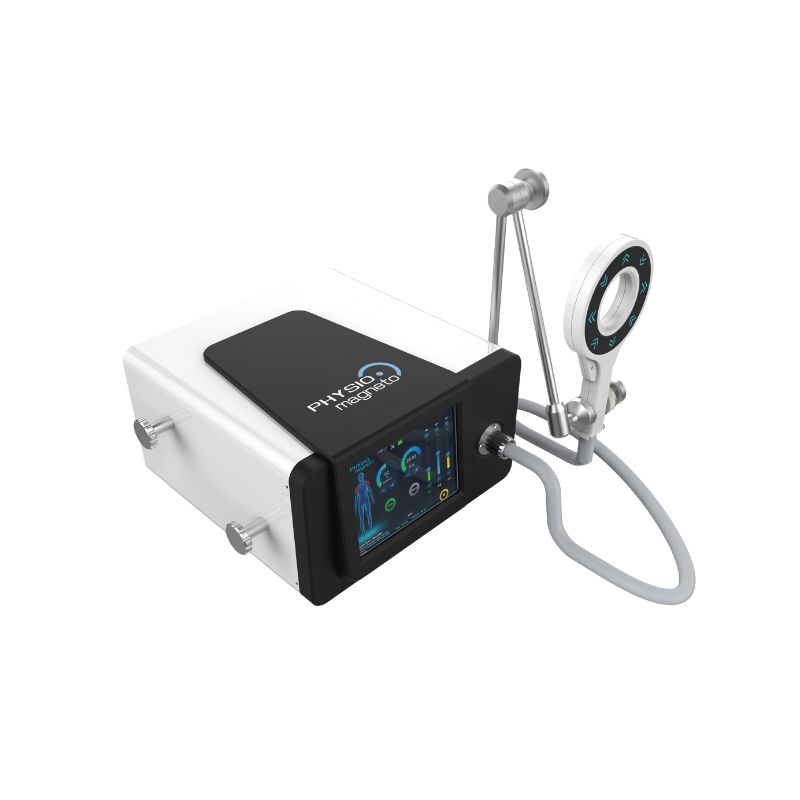
For clinicians and equipment planners, the practical question is how a field may influence membrane behavior and what that means for application. A pemf therapy equipment setup delivers a defined pattern rather than a static magnet exposure, while a recovery therapy device is used within a broader care plan. The following sections connect basic electromagnetic principles with cell-level responses and the choices involved in interpreting device settings.
A magnetic field that changes over time can induce a weak electric field in conductive tissue. This is the key physical link between the external signal and a membrane: the field does not need to physically touch a cell to create an electrical influence nearby. A pemf therapy device therefore delivers pulses whose timing and intensity shape the induced environment, while pulsed electromagnetic field therapy describes the broader method of applying those changing signals.
Cell membranes separate internal and external fluids and help maintain electrical gradients. Those gradients support transport, signaling, and the controlled movement of ions. A pemf therapy equipment configuration determines the waveform and exposure pattern, but the actual field reaching a particular cell can vary with coil position, tissue depth, and local anatomy. This is why descriptions of membrane interaction should distinguish the device output from the biological response.
The membrane is a dynamic boundary rather than an inert wall. Proteins embedded in it respond to chemical and electrical conditions, and ion channels regulate movement across it. A pemf therapy device may create a changing environment around these structures, but that does not establish that every channel opens or that every cell responds in the same way. The effect depends on signal parameters and the cell’s condition.
Research into pulsed electromagnetic field therapy examines possible changes in signaling pathways, ion movement, and cellular activity. These are areas of investigation, not a guarantee of a specific outcome for an individual. For a recovery therapy device, the relevant clinical question is whether a particular protocol is appropriate for the intended use, with expected benefits and limitations considered alongside other care.
Because membrane gradients contribute to cell communication, a change in the surrounding electrical environment may influence downstream processes. Studies may examine calcium signaling, enzyme activity, gene expression, or the behavior of cells involved in repair. A pemf therapy device is intended to deliver a repeatable exposure pattern, yet a measured cellular response in a controlled setting does not automatically predict a clinical result.
Interpretation requires attention to frequency, pulse duration, intensity, and session timing. These parameters are not interchangeable, and a change in one can alter the exposure profile. When evaluating pulsed electromagnetic field therapy, practitioners should look for evidence relevant to the specific application rather than assume that all signals produce the same membrane effect. A pemf therapy equipment specification can describe output, but it cannot by itself establish treatment effectiveness.
Cells differ by tissue type, metabolic state, and surrounding conditions. An exposure that has been studied in one model may not produce an identical response in another tissue or in a person. A recovery therapy device should therefore be considered in relation to the patient, the intended outcome, and the relevant evidence. The phrase membrane interaction describes a potential mechanism, not a promise of recovery or a substitute for diagnosis.
The same caution applies when interpreting laboratory findings. Changes in a marker can be useful for understanding a pathway, but they do not necessarily demonstrate a meaningful improvement in function. Responsible use of a pemf therapy device involves following the applicable instructions and clinical guidance, checking contraindications, and setting realistic expectations. These safeguards keep mechanistic explanations separate from claims that require clinical support.
Device selection should begin with the intended application and the evidence supporting it. Review the available operating modes, waveform information, intensity controls, applicator design, and instructions for use. A pemf therapy equipment choice should also account for the treatment setting and staff workflow. A pemf therapy device with adjustable modes does not mean every combination is suitable for every case.
For a clinic assessing pulsed electromagnetic field therapy, it helps to document why a protocol is being considered, how exposure will be delivered, and how progress will be reviewed. The membrane mechanism can provide scientific context, but it should not replace a defined treatment rationale. A recovery therapy device belongs within a plan that considers patient needs, professional judgment, and other interventions rather than being treated as a stand-alone answer.
Before use, confirm that the operator understands the controls, positioning requirements, and relevant safety instructions. Screening matters because individual circumstances and implanted or nearby electronic devices may affect suitability. A pemf therapy device should be operated according to its documentation, not by extrapolating settings from unrelated studies. Clear records of session parameters can support consistent practice and make later review more useful.
Monitoring should focus on the intended clinical measures and the person’s response, not on an assumed cellular effect. If an outcome is absent or an adverse response occurs, reassess the approach with qualified clinical input. In this way, knowledge of membrane interaction informs careful use of pulsed electromagnetic field therapy while acknowledging uncertainty. The most useful role for a pemf therapy equipment system is as a tool applied within an evidence-aware process.
Not as a general rule. A changing field can induce a weak electrical environment in tissue, and researchers study whether that environment influences membrane-related signaling. A pemf therapy device does not mechanically open membranes, and the response depends on the exposure and biological context.
No. Waveform, intensity, pulse timing, positioning, and tissue characteristics can all affect exposure. When reviewing pulsed electromagnetic field therapy, assess evidence and instructions for the specific application instead of assuming settings are interchangeable. Device specifications describe output, not guaranteed biological results.
Start with the intended use, relevant clinical evidence, safety guidance, and a method for monitoring outcomes. A recovery therapy device should complement professional assessment rather than replace it. Confirm that the selected pemf therapy equipment and protocol fit the care context, and explain realistic expectations to the patient.

