

 EN

how-repetition-rate-affects-throughput-in-laser-hair-removal-work, how-repetition-rate-affects-throughput-in-laser-hair-removal-work, /blog
EN
Repetition rate affects how quickly treatment pulses can be delivered, but it does not determine completed appointments on its own. In a clinic, a diode laser hair removal machine contributes to throughput only when its pulse cadence works with treatment coverage, client comfort, room turnover, and operator technique. Understanding those links helps teams plan realistic schedules.
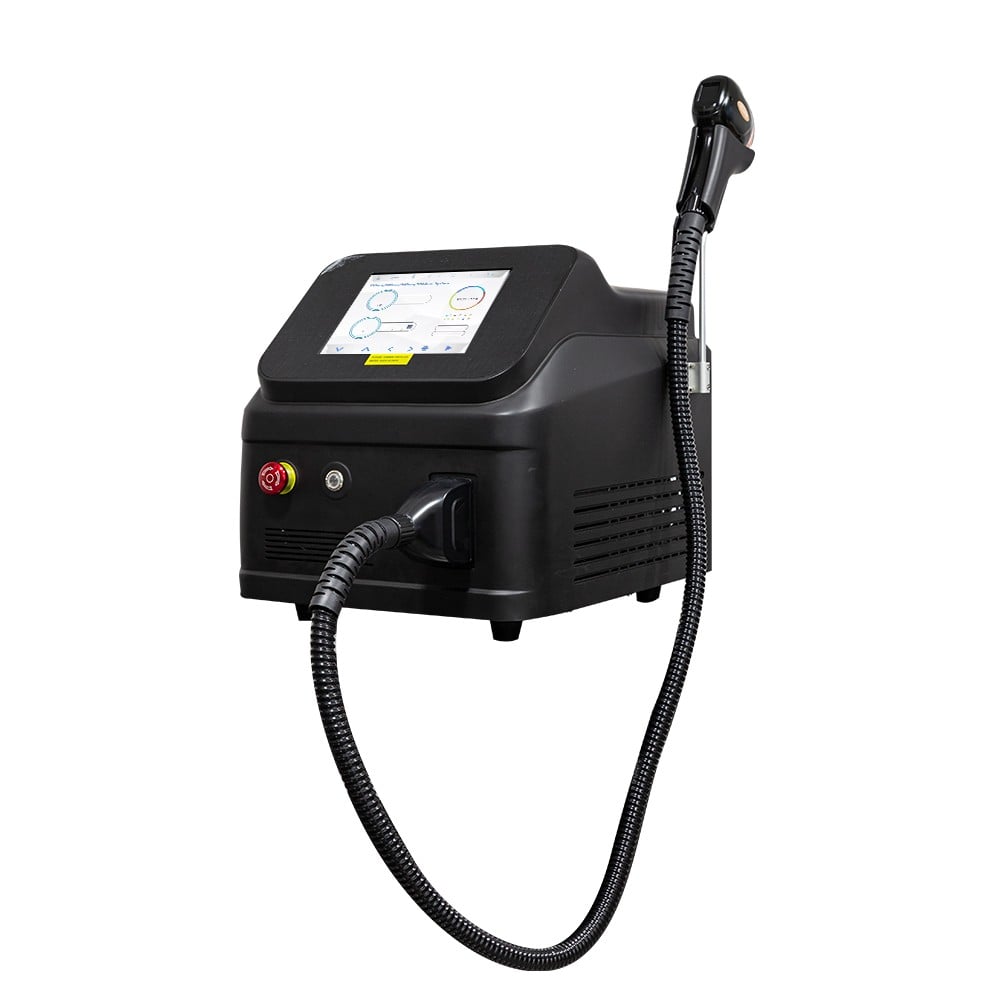
The practical question is not simply how high the rate can be set, but how much useful, consistent coverage the operator can deliver at that setting. A hair removal laser, including an 808nm diode laser used as a professional hair removal device, must be operated within suitable treatment parameters. The effective pace is the pace that supports a complete session without rushed passes or avoidable pauses.
Repetition rate describes how many pulses are emitted over a given period. A higher setting can allow a diode laser hair removal machine to deliver energy more frequently, which may help an operator move steadily across a large area. Yet pulse cadence is only one part of coverage: spot placement, hand movement, overlap, and the selected energy settings determine whether the treated area is addressed methodically.
With a hair removal laser, moving the handpiece faster than the operator can position it accurately may create gaps or uneven overlap. A measured rhythm gives the operator time to track the treatment path and maintain contact as intended. An 808nm diode laser can support a consistent workflow, but the chosen repetition rate should match the area, protocol, and operator’s practiced movement.
A faster pulse sequence does not automatically mean a shorter appointment if the client needs additional pauses or the operator must slow down to maintain a suitable treatment experience. A professional hair removal device should be used according to its instructions and the clinic’s established protocols. In practice, the diode laser hair removal machine setting must account for treatment goals, client response, and the selected parameters, rather than speed alone.
Treatment area size changes the value of a faster cadence. On a broad area, a hair removal laser may allow the practitioner to maintain a continuous sequence of placements, provided the movement remains controlled. On a small or contoured area, careful positioning can matter more than maximum pulse frequency. An 808nm diode laser is most useful when the operator can coordinate its cadence with a repeatable coverage pattern.
Before increasing the setting, define how the area will be divided and how the handpiece will move through each zone. This gives the operator a visual route and helps reduce unplanned backtracking. A diode laser hair removal machine may deliver pulses quickly, but throughput improves only when each pass has a clear purpose. Consistent positioning also makes it easier to review what has already been covered.
Client communication is another workflow factor. Explain the sequence, check comfort at suitable points, and allow the practitioner to respond to feedback in line with clinic guidance. A professional hair removal device does not replace these interactions. When the client understands what to expect, the session can proceed with fewer avoidable interruptions, while the operator retains time to make appropriate adjustments.
Throughput includes more than time spent emitting pulses. Before each appointment, prepare the room, confirm the required supplies, review relevant client information, and complete equipment checks according to the manufacturer’s instructions. This keeps setup tasks from cutting into treatment time. A hair removal laser may have a rapid operating cadence, yet poor preparation can still extend the appointment and disrupt the next booking.
A predictable room reset also matters between clients. Assign clear responsibilities for cleaning, documentation, and preparing the treatment space, following applicable safety procedures. When an 808nm diode laser is part of a defined room workflow, staff can distinguish treatment time from setup and turnover time. That distinction gives managers a more useful view of capacity than pulse rate alone.
Start by observing a typical appointment from preparation through documentation. Record where time is spent, including consultation, positioning, treatment, pauses, and room reset. Then assess whether the diode laser hair removal machine is being used at a pace that the operator can reproduce while following clinic protocols. A baseline reveals whether the main constraint is pulse delivery, movement, preparation, or scheduling.
Change one workflow variable at a time rather than raising the repetition rate and altering other settings together. A professional hair removal device should be operated within its specified guidance, and any treatment adjustments belong to trained personnel. Compare sessions only when the area and relevant conditions are reasonably similar. This makes it easier to judge whether a pace change genuinely improves the work.
Track practical indicators such as treatment duration, unplanned pauses, coverage consistency, client feedback, and room turnover. These measures help explain why a hair removal laser session took longer or shorter than expected. If faster delivery coincides with rushed movement or repeated corrections, the apparent gain may not represent better throughput. A stable process is more useful than a peak pace that staff cannot maintain.
Review results with operators and refine the workflow through training, equipment familiarization, and clearer room preparation. An 808nm diode laser can fit into different appointment plans, but those plans should reflect the treatment area and clinic procedures. When staff share a consistent method, a professional hair removal device is easier to schedule around, and the team can identify realistic capacity without relying on theoretical pulse counts.
The goal is a dependable appointment rhythm, not the highest setting available. Reassess the diode laser hair removal machine workflow when treatment areas, staffing, or scheduling patterns change. Keep client suitability and established safety practices central to every decision. This approach connects repetition rate to the parts of clinic operations that actually shape throughput, while leaving room for careful, individualized treatment.
No. A higher repetition rate may increase pulse cadence, but the diode laser hair removal machine only saves time when the operator can maintain appropriate coverage and movement. Area size, pauses, setup, and client response also affect duration.
Review treatment time alongside preparation, coverage consistency, client feedback, and room turnover. For an 808nm diode laser, compare similar sessions and change one operational factor at a time, following training and equipment guidance.
Plan around realistic session and reset times rather than pulse rate alone. A professional hair removal device supports throughput when trained staff use a repeatable workflow, and the diode laser hair removal machine settings remain consistent with applicable protocols.

