

 EN

how-session-timing-affects-client-outcomes-in-fat-freezing, how-session-timing-affects-client-outcomes-in-fat-freezing, /blog
EN
Session timing affects client outcomes in fat freezing because results depend on more than the appointment itself. For clinics, thoughtful timing means matching treatment intervals, individual readiness, and follow-up to the client’s goals and response. A cryolipolysis machine is one part of that process; clear assessment and consistent planning help set realistic expectations.
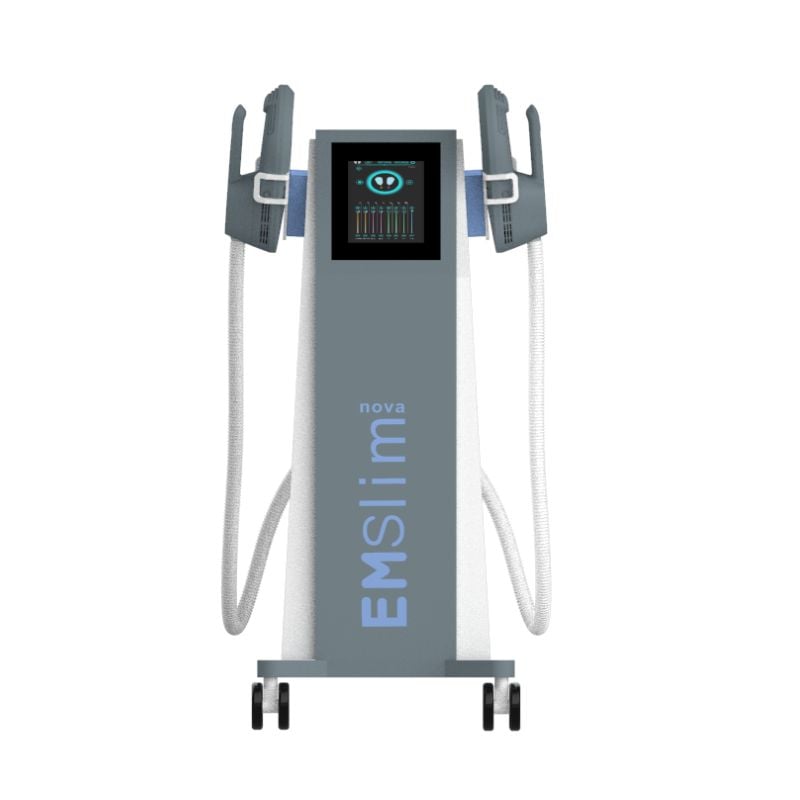
The practical question is when to treat, how long to wait before reassessment, and when to discuss another area or session. A fat freezing device should be used within its operating guidance and alongside appropriate screening. The same timing logic applies across body contouring equipment: a schedule should support safe, informed decisions rather than promise a fixed result by a particular date.
Before scheduling, establish the client’s target area, relevant health history, and expectations. A cryolipolysis machine does not replace a suitability assessment, and the practitioner should follow local requirements and device instructions. Record baseline observations consistently so later conversations about progress are grounded in the same reference point.
Explain that a cryolipolysis treatment is not an immediate weight-loss method and that visible change can take time. Discuss the proposed plan, likely follow-up, and any uncertainty before confirming the appointment. When a fat freezing device is considered, the treatment area and client circumstances should guide the decision, not a standard calendar template.
Spacing appointments gives the practitioner time to assess response and the client time to observe changes. A treatment plan should respect the intervals specified by the device guidance and clinical protocols. Body contouring equipment may support different services, but timing for one modality should not be assumed to apply to another.
Build the next decision point into the plan rather than automatically booking repeated sessions. A cryolipolysis treatment may involve reassessment before deciding whether another area or session is appropriate. The cryolipolysis machine settings, applicator instructions, and any relevant client factors should be checked each time, with records updated to explain the timing decision.
A well-timed appointment includes more than the period when the applicator is active. Allow time for consultation, confirmation of the planned area, positioning, explanation of sensations, and aftercare instructions. A fat freezing device should be prepared and used according to its instructions, with the treatment area and applicator fit checked before starting.
Avoid compressing consultation or setup to fit a crowded schedule. The cryolipolysis machine should be operated by appropriately trained staff, and the client should have time to raise questions. A cryolipolysis treatment proceeds more consistently when staff can complete required checks, document the session, and explain what the client should do if concerns arise.
Session length is determined by the device protocol, applicator, treatment area, and practitioner assessment. Do not extend or shorten a cycle simply to meet an appointment target. Body contouring equipment varies in operation, so staff should consult the relevant instructions rather than transfer timings from a different platform or service.
A cryolipolysis treatment schedule should also account for client comfort and any interruption or adjustment required during the visit. The practitioner should document the actual timing and relevant observations. Before using a cryolipolysis machine, verify that the setup and planned cycle match its guidance; this supports a repeatable workflow without implying that longer exposure guarantees better outcomes.
Follow-up should be planned at a point that allows the client and practitioner to review progress meaningfully, in line with the care protocol. Explain that changes may emerge gradually and can vary between individuals. A fat freezing device does not provide a reliable basis for promising an exact date or degree of visible change.
At review, compare observations with the baseline and ask about the client’s experience, questions, and concerns. The cryolipolysis machine record can help the practitioner recall the area and treatment details, while a consistent review process makes conversations clearer. Discuss whether continued observation, a different plan, or referral is appropriate instead of assuming another cryolipolysis treatment is needed.
A client’s work, travel, and personal commitments can affect whether they attend reviews and follow advice. Discuss practical availability when arranging appointments, while keeping clinical timing and device guidance as the priority. Body contouring equipment may be offered alongside other services, but plans should be coordinated carefully rather than stacked without considering recovery, suitability, or the client’s overall goals.
For clinic teams, a scheduling system can flag review windows, store consent and session notes, and prevent rushed repeat bookings. Use the cryolipolysis service discussion to clarify how the treatment fits the client’s goals, not to imply that equipment alone determines results. Revisit the plan as observations and client priorities change.
There is no single review date that suits every client or protocol. Explain the expected observation window using the applicable guidance, and avoid judging progress immediately after a visit. The practitioner can use the cryolipolysis machine record and client feedback to support a measured review.
A future review can be planned, but another cryolipolysis treatment should depend on suitability and observed response. A fat freezing device appointment should not be repeated simply because a calendar slot is available; body contouring equipment planning needs individual assessment.
Not necessarily. Follow the specified operating protocol instead of extending a cycle to pursue a faster result. A cryolipolysis treatment should be scheduled and delivered according to the device guidance, and body contouring equipment cannot substitute for appropriate screening and follow-up.

