

 EN

how-shockwave-rise-time-influences-tissue-response-and-healing, how-shockwave-rise-time-influences-tissue-response-and-healing, /blog
EN
Rise time describes how quickly a shockwave pressure pulse reaches its peak. In focused shockwave therapy, that timing helps shape the mechanical stimulus delivered to a target area, so it can influence how tissue experiences treatment. It does not, by itself, predict healing or determine whether a treatment is appropriate.
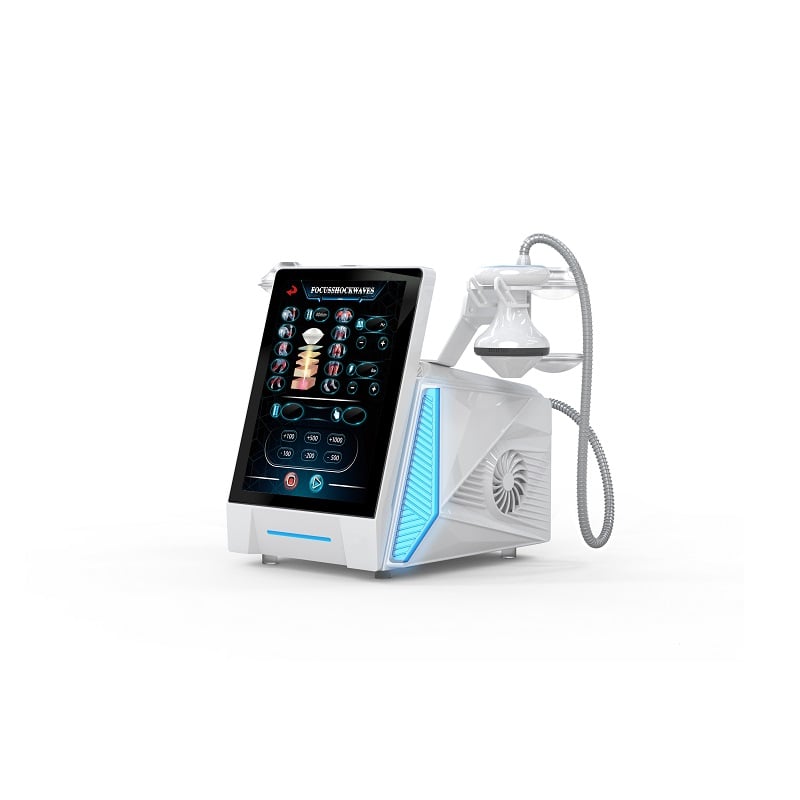
For clinicians and rehabilitation teams, understanding the pulse is useful when interpreting device specifications and planning a treatment approach. Rise time works alongside energy, pulse frequency, focus depth, coupling, and patient factors. A focused shockwave device produces a defined acoustic field, while orthopedic rehabilitation decisions still depend on diagnosis, goals, and response over time.
A short rise time means pressure builds rapidly, creating a steep leading edge in the pulse. In focused shockwave therapy, that feature contributes to the character of the stimulus reaching the treatment zone. Tissue response depends on how this mechanical input interacts with local structures, not on rise time alone. The term extracorporeal shockwave describes delivery from outside the body, but the waveform and focusing method determine how energy is distributed.
A longer rise time indicates a more gradual pressure build. This may change the loading pattern experienced by tissue, but it should not be reduced to a simple scale of better or worse. A focused shockwave device must be considered as a system: its pulse shape, energy settings, focal characteristics, and applicator contact all contribute. Clinicians interpreting focused shockwave therapy parameters should therefore look at the complete technical and clinical context.
Rise time is only one part of a pressure waveform. Peak pressure, pulse duration, energy distribution, and the presence of tensile or secondary components also matter. With extracorporeal shockwave treatment, these features influence the mechanical environment in which tissues are stimulated. Comparing devices on rise time alone can obscure meaningful differences in output and treatment delivery.
In practice, orthopedic rehabilitation teams can use waveform information to ask more precise questions about treatment parameters and intended targets. A focused shockwave device may provide a focal zone suited to a particular clinical application, but correct positioning and coupling remain essential. Focused shockwave therapy planning should connect the waveform to the tissue target, the patient’s presentation, and the broader rehabilitation program.
Mechanical stimulation can initiate cellular and vascular signaling responses, but the response varies by tissue, condition, and dose. Focused shockwave therapy is used in selected musculoskeletal contexts because clinicians aim to provide a localized stimulus without treating the pulse as a direct repair mechanism. An extracorporeal shockwave does not guarantee tissue regeneration; healing reflects biological activity alongside appropriate loading, recovery, and management of the underlying problem.
Rise time may influence the initial mechanical interaction, while the subsequent response depends on many additional variables. Tissue condition, chronicity, sensitivity, and the treatment location can all affect tolerance and clinical progress. In orthopedic rehabilitation, clinicians should set realistic expectations and monitor function rather than assume that a particular rise time will produce a uniform outcome. Focused shockwave therapy is one possible component of care, not a substitute for individualized assessment.
The delivered dose reflects more than peak pressure or rise time. Energy level, pulse count, frequency, focus depth, and the accuracy of placement shape the exposure. A focused shockwave device should be operated according to its instructions and the clinician’s training. When adjusting focused shockwave therapy, teams need to consider the intended target and patient comfort while avoiding unsupported assumptions about how one waveform setting will affect every tissue.
Patient feedback provides practical information during treatment, although discomfort alone does not measure biological effectiveness. In orthopedic rehabilitation, clinicians can combine tolerance, examination findings, and functional measures to guide subsequent care. The extracorporeal shockwave approach should fit within a staged plan that may also address mobility, strength, and activity demands. Rise time informs the technical picture, but it cannot replace sound clinical reasoning.
Specifications help clinicians understand how equipment generates and delivers energy, but they need careful interpretation. When reviewing a focused shockwave device, consider whether the manufacturer reports rise time under defined measurement conditions and how that figure relates to the complete waveform. Extracorporeal shockwave systems can differ in generation method and focal characteristics, so figures should not be compared without matching definitions and testing context.
A useful review also considers treatment depth, applicator design, operating range, and maintenance requirements. These details affect whether a device suits a clinic’s patient mix and workflow. Focused shockwave therapy settings should follow approved operating guidance, with staff trained to identify the target and use consistent coupling. In orthopedic rehabilitation, documentation of parameters supports clearer follow-up and helps teams interpret a patient’s response without attributing change to rise time alone.
Begin with a clear clinical indication, a defined treatment target, and an agreed measure of progress. Focused shockwave therapy can then be considered in relation to the patient’s symptoms, function, and prior care. Clinicians should explain that response varies and that treatment is not an instant healing event. An extracorporeal shockwave session should be integrated with appropriate advice and activity planning rather than used in isolation.
Review the course of care at planned intervals, noting both benefits and adverse responses. If progress stalls or symptoms worsen, reassess the diagnosis, targeting, dose, and broader rehabilitation strategy. A focused shockwave device provides a means of delivering a physical stimulus; it does not make the clinical decision. Orthopedic rehabilitation remains guided by individual goals, safety, and evidence-informed practice, with rise time considered as one technical factor among many.
No. A faster rise time changes how pressure develops, but it does not guarantee a better result. Focused shockwave therapy outcomes depend on the indication, tissue condition, treatment parameters, and patient response. Clinicians should interpret waveform information within the full clinical picture.
Only cautiously. Measurement methods, waveform generation, and reporting conditions may differ. When assessing a focused shockwave device, review the full technical documentation rather than relying on one specification. Extracorporeal shockwave delivery characteristics and intended clinical use also matter, especially in orthopedic rehabilitation planning.
No. Rise time can inform technical understanding, but it should not determine treatment by itself. Consider diagnosis, target, device instructions, patient suitability, and available evidence. Focused shockwave therapy should be selected and monitored by qualified clinicians as part of an individualized plan.

