

 EN

how-shockwave-therapy-triggers-natural-tissue-repair-pathways, how-shockwave-therapy-triggers-natural-tissue-repair-pathways, /blog
EN
Shockwave therapy uses focused acoustic energy to encourage the body’s own response to tissue stress. Rather than directly rebuilding damaged tissue, it delivers mechanical pulses that cells can detect and respond to. This article explains how that signal may influence circulation, cellular activity, and remodeling, and why clinical assessment matters when planning care. The linked shockwave therapy equipment represents one way clinicians deliver controlled energy to a selected treatment area.
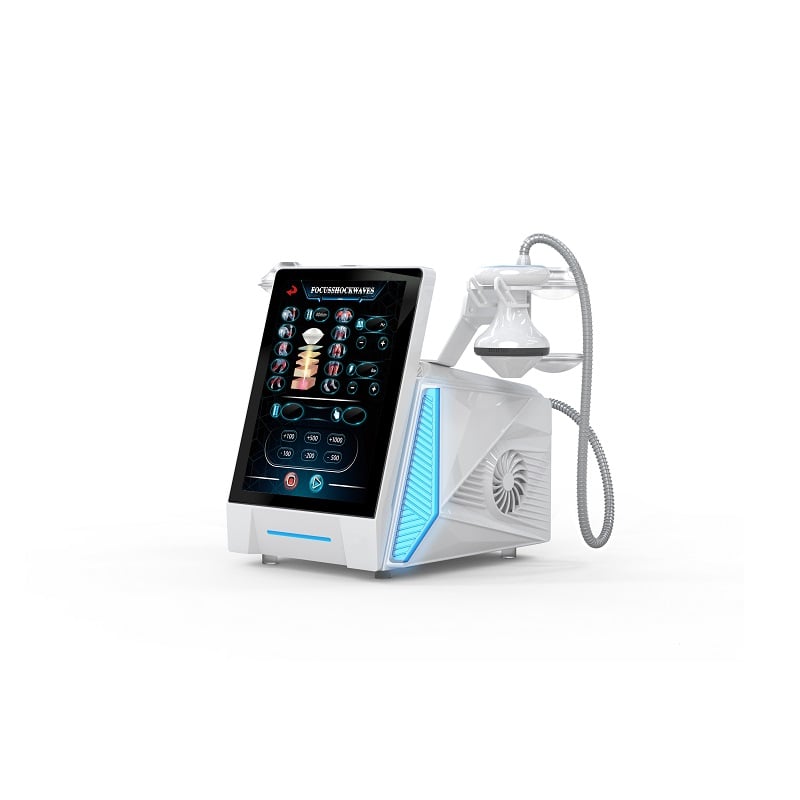
The central idea is mechanotransduction: cells convert a physical stimulus into biochemical signals. An extracorporeal shockwave is generated outside the body and transmitted through an applicator, while treatment settings and placement determine how energy reaches the target. A shockwave treatment plan therefore depends on the tissue, symptoms, and clinical purpose. In musculoskeletal therapy, the goal is to support repair processes where persistent loading or injury may have disrupted normal recovery, not to promise an instant cure.
A device creates short pressure waves that travel through a treatment head and into the body. Shockwave therapy applies these pulses to a defined region; extracorporeal shockwave delivery keeps the energy source outside the patient. Cells and surrounding structures experience a brief mechanical stimulus, which may affect membrane activity and local signaling. In practice, shockwave treatment is adjusted for the indication and the person’s tolerance, while musculoskeletal therapy uses examination findings to guide the area and approach.
The response is not simply a matter of applying more force. Clinicians consider energy level, pulse frequency, applicator position, and the size of the target area. Shockwave therapy is most meaningful when those parameters correspond to the clinical objective, and extracorporeal shockwave delivery can be directed toward superficial or deeper structures depending on the device and protocol. The treatment remains a controlled stimulus; correct placement and a clear rationale matter more than treating a large area indiscriminately.
Mechanotransduction helps explain the next step: physical deformation can trigger intracellular pathways involved in inflammation, growth-factor signaling, and tissue maintenance. A shockwave treatment may prompt local cells to adjust their activity rather than mechanically repair a tendon or other structure by itself. Musculoskeletal therapy combines this potential stimulus with diagnosis, load management, and rehabilitation, because biological signaling alone does not restore strength or movement capacity.
The magnitude and timing of any response depend on the tissue condition and the applied protocol. Shockwave therapy does not produce identical effects in every patient, and extracorporeal shockwave treatment is selected with attention to contraindications, sensitivity, and clinical goals. Providers monitor symptoms and function across sessions instead of assuming that a stronger sensation means greater repair. This distinction helps patients understand why carefully dosed care may be preferred over aggressive application.
One proposed pathway involves changes in local blood-vessel signaling and circulation. Shockwave therapy may influence processes associated with angiogenesis, the formation of small blood vessels, which can contribute to the local supply of oxygen and nutrients. An extracorporeal shockwave acts as a physical cue, not a direct source of new vessels, and the biological outcome varies. Shockwave treatment is therefore considered alongside tissue history and loading demands, not as a guaranteed way to increase circulation.
Local signaling can include mediators involved in cellular communication and the organization of repair. In musculoskeletal therapy, this matters because tendons, fascia, and other load-bearing tissues respond to both biological cues and mechanical use. Shockwave therapy may support a repair environment, while appropriate activity helps tissues adapt to daily demands. Clinicians explain that tissue response develops over time; a temporary change in soreness or sensitivity does not by itself confirm structural healing.
Repair also requires coordinated activity among cells that maintain and remodel the extracellular matrix. Shockwave treatment may affect signaling associated with collagen production and matrix turnover, although response depends on the condition and protocol. In musculoskeletal therapy, this possible influence is paired with progressive loading so the tissue receives functional demands as capacity improves. Extracorporeal shockwave delivery is one component of a broader plan, rather than a replacement for movement-based rehabilitation.
Remodeling is gradual, and biological changes do not translate immediately into restored function. Shockwave therapy may be considered when persistent symptoms suggest that usual recovery has stalled, but the clinician must first assess the source of pain and whether the treatment is appropriate. An extracorporeal shockwave session can create short-term discomfort for some people, so providers explain expected sensations and monitor tolerance. Follow-up should assess meaningful outcomes such as activity, mobility, and symptom patterns.
Good planning begins with a working diagnosis, symptom history, and examination of the affected region. Shockwave therapy may be discussed for selected persistent tendon or soft-tissue problems, but the same pain location can have different causes. A shockwave treatment decision should account for tissue sensitivity, previous care, activity requirements, and relevant health factors. Musculoskeletal therapy is most useful when the selected intervention fits a broader functional assessment rather than being chosen from symptoms alone.
The provider also considers whether the intended target can be reached safely and whether another approach is more suitable. Extracorporeal shockwave equipment offers adjustable delivery, but settings must follow clinical judgment and the device’s operating guidance. Before treatment, clinicians review precautions, explain possible temporary reactions, and confirm consent. These steps help patients make informed choices and allow the plan to be modified if symptoms or function change.
A session is only one part of recovery. Shockwave therapy is commonly considered alongside activity modification, progressive exercise, and guidance on managing load. The clinician may space sessions to observe response and avoid treating symptoms without reviewing progress. Musculoskeletal therapy can connect the biological aim of treatment with practical goals, such as returning to work tasks, sport, or comfortable daily movement.
Patients should receive a realistic explanation of what improvement may look like and when reassessment is needed. Shockwave treatment is not a substitute for addressing repeated overload, movement limits, or an underlying condition that continues to stress the tissue. Providers track changes over time and can adapt the rehabilitation plan when needed. This approach keeps the proposed repair pathways connected to measurable function, safety, and the patient’s own recovery priorities.
No. Shockwave therapy delivers a mechanical stimulus that may influence cellular signaling and repair-related processes. It does not physically rebuild tissue on contact, and results vary by person, condition, and treatment plan. Assessment and rehabilitation remain important parts of care.
Extracorporeal shockwave delivery generates acoustic pulses outside the body and transmits them through an applicator. A shockwave treatment can then be directed to a selected region using suitable settings. The clinician determines whether this approach fits the diagnosis and reviews precautions first.
Musculoskeletal therapy may combine a selected energy-based intervention with exercise, load adjustment, and progress checks. The aim is to relate possible tissue responses to improved function, while adapting care to symptoms and clinical findings.

