

 EN

how-the-session-count-affects-response-to-shockwave-therapy, how-the-session-count-affects-response-to-shockwave-therapy, /blog
EN
Session count can shape how a person responds to shockwave therapy, but more visits do not automatically mean better results. The useful question is whether each appointment gives the treated tissue an appropriate stimulus and enough time to respond. A thoughtful shockwave treatment plan connects session frequency with the condition, symptom history, treatment area, and goals agreed by the clinician and patient.
In practice, session count is one part of a larger care decision, not a stand-alone measure of quality. Extracorporeal shockwave delivers acoustic pulses to a selected area, while musculoskeletal therapy also depends on diagnosis, load management, and functional recovery. Understanding how visits are spaced helps clinics set realistic expectations and review whether the plan remains appropriate.
A session applies a controlled stimulus to the target area, and the body’s response develops over time. That is why shockwave therapy is generally considered across a planned course rather than judged only by how the area feels immediately afterward. A patient may notice temporary sensitivity, gradual change, or little early difference. These responses need to be interpreted alongside function and the original clinical assessment.
The number of appointments can influence how consistently a care plan delivers that stimulus. However, a higher count cannot compensate for an inaccurate diagnosis or an unsuitable target. Extracorporeal shockwave should be selected and delivered by a qualified professional who can adjust the approach to the person’s presentation. In musculoskeletal therapy, session count is meaningful only when each visit has a clear purpose and fits the wider rehabilitation plan.
Spacing sessions gives the clinician and patient time to observe changes between visits. A shockwave treatment appointment is not simply repeated on a calendar; the interval can support a review of pain, daily activity, and tolerance. If sensitivity remains high or symptoms change unexpectedly, the clinician can reconsider timing or technique instead of proceeding automatically with the original schedule.
This review cycle matters because response is not always linear. Someone may report modest early progress, then notice clearer improvement as activity becomes easier. Another person may need a revised plan. Shockwave therapy should therefore be discussed in terms of a monitored course, with each visit considered in light of the previous response, the patient’s goals, and any changes in function.
A sensible course starts with an assessment of the complaint, its duration, previous care, and the demands placed on the affected area. The clinician uses those details to decide whether extracorporeal shockwave is suitable, what treatment area to address, and how to schedule reviews. The exact session count can vary; it should reflect clinical judgment rather than a fixed promise of success.
Before beginning, agree on what progress would look like in practical terms. A shockwave treatment plan might track pain during a specific movement, tolerance for work tasks, or ability to return to a usual activity. Musculoskeletal therapy outcomes are easier to interpret when the patient and clinician share clear measures. This also reduces the risk of continuing sessions simply because they were initially pencilled into a schedule.
At each review, compare current symptoms and function with the starting point. The discussion should include how long any post-session discomfort lasted, whether daily activity changed, and whether the person followed relevant loading advice. In shockwave therapy, these details help distinguish a temporary treatment response from a meaningful trend. A brief note after each appointment can make the pattern easier to see.
If improvement is limited, the next step is not automatically to add appointments. The clinician may reassess the diagnosis, treatment settings, target location, interval, or complementary care. Extracorporeal shockwave works within a broader clinical process, so a revised plan may include exercise progression or changes to aggravating activities. This keeps session count connected to evidence from the individual case, rather than routine alone.
Continuing a course is reasonable when progress checks show a useful trend, the person tolerates appointments, and further sessions still serve the agreed goal. A clinician can explain why another shockwave treatment visit is appropriate and what change would justify continuing. In musculoskeletal therapy, that conversation supports shared decision-making and makes the expected role of each appointment clear.
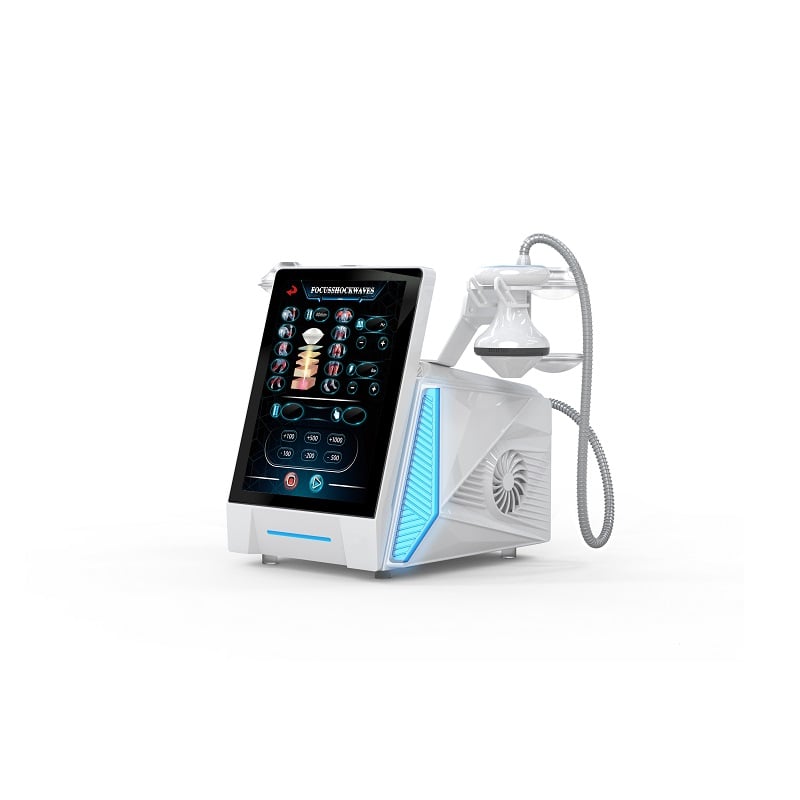
For equipment-based practice, consistent delivery and documentation support meaningful comparison across visits. A shockwave therapy system is only one element of care; practitioner training, patient selection, and treatment records remain important. Recording session number, settings, site, and response helps the clinic review the course without assuming that identical settings suit every person.
If function and symptoms show no useful change after the planned review points, pause to reassess rather than extending the course by default. The problem may require a different diagnosis, a change in activity management, or another care option. A responsible shockwave treatment plan includes a stopping point or decision checkpoint, so both patient and clinician know when the current approach should be reconsidered.
The overall aim is a course that is proportionate to the person’s needs. The number of visits should be explained, reviewed, and adjusted in response to clinical findings. When extracorporeal shockwave is combined with appropriate rehabilitation, session count can be managed as one practical variable within musculoskeletal therapy, not as a promise that a particular total will produce a particular outcome.
No. Shockwave therapy outcomes depend on factors such as diagnosis, treatment suitability, and individual response. A shockwave treatment course should be reviewed at planned intervals, and additional visits should have a clinical reason rather than being added automatically.
There is no single schedule for every case. The clinician sets intervals according to the condition, treatment approach, and response between visits. Extracorporeal shockwave appointments should allow appropriate review within the broader musculoskeletal therapy plan.
Reassess when symptoms worsen, tolerance is poor, or expected functional change does not appear at agreed checkpoints. A clinician can revisit the diagnosis and goals before continuing shockwave therapy, and decide whether the shockwave treatment plan remains appropriate.

