

 EN

how-to-choose-a-body-slimming-machine-for-a-beauty-and-wellness-business, how-to-choose-a-body-slimming-machine-for-a-beauty-and-wellness-business, /blog
EN
Choosing a body slimming machine is a business decision as well as a treatment decision. The right fit depends on the clients you serve, the outcomes your team can responsibly discuss, and the time and space available for appointments. Compare lipo laser, cryolipolysis, and hifu as distinct approaches rather than assuming one device can meet every need.
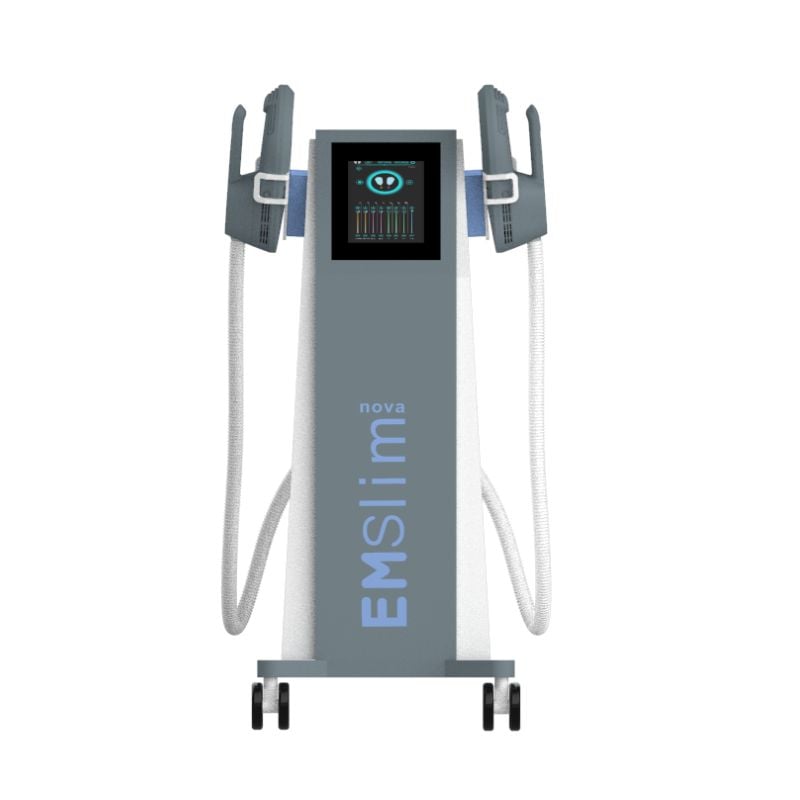
A practical selection process starts with your service model, then checks treatment fit, operating requirements, and client safety. A slimming machine should support a clear, consistent service rather than simply add another device to the room. This guide explains how to assess lipo laser, cryolipolysis, and hifu against those business needs before committing.
Start by reviewing the requests your team hears most often. Some clients prioritize a gradual body-contouring service, while others ask about muscle conditioning or a specific treatment area. Decide which needs fit your professional scope and consultation process. Lipo laser, cryolipolysis, and hifu involve different treatment concepts, so a device choice should follow the service you intend to provide, not a broad promise of slimming.
Write a realistic service description before evaluating equipment. Explain what a session involves, what clients may experience, and what outcomes cannot be guaranteed. A slimming machine is easier to position responsibly when its intended use, treatment protocol, and client suitability are clear. Compare lipo laser options by the type of service they support, and review cryolipolysis and hifu in the context of their distinct operating methods.
Rank your priorities in practical terms: treatment area, appointment duration, staff capability, room layout, and expected booking frequency. Include follow-up time and consultation demands, not only the minutes a device is in use. Lipo laser may suit a service plan centered on its particular approach, while cryolipolysis and hifu call for separate evaluations of client fit and treatment workflow.
Ask whether the proposed service complements existing offerings or competes for the same appointment time. A slimming machine that fits your schedule and team can be more useful than a feature-rich option that is difficult to integrate. Document why lipo laser, cryolipolysis, or hifu belongs in your menu, and identify the client group each service is meant to serve.
Do not treat lipo laser, cryolipolysis, and hifu as interchangeable labels. Review the device documentation to understand how the treatment is delivered, what areas it is intended for, and which contraindications or precautions apply. Confirm that the proposed service fits local rules and your staff qualifications. Ask for written protocols, maintenance requirements, and guidance on screening before comparing headline features.
For lipo laser, clarify the intended treatment process and how the device is operated during a session. For cryolipolysis, understand the applicators, contact requirements, and suitability screening described by the manufacturer. For hifu, review the treatment parameters, training expectations, and approved use. A slimming machine should be chosen on documented operation and appropriate client fit, not on assumptions drawn from its category name.
Client screening is part of service design. Your team needs a consistent way to discuss health history, identify reasons a treatment may be unsuitable, explain possible discomfort, and refer clients when required. Request clear contraindication guidance for lipo laser, cryolipolysis, and hifu, and make sure staff know when to decline treatment. Follow the device instructions and applicable professional requirements.
Consider whether clients can understand the differences without being led to expect a guaranteed result. A useful consultation sets realistic expectations, records consent, and explains that individual responses vary. Before you introduce a slimming machine, prepare scripts and documentation that describe the service accurately. This preparation also helps your team distinguish between client goals that suit lipo laser and those better assessed for cryolipolysis or hifu.
Review the complete operating requirements, including room space, electrical needs, cleaning, consumables, storage, and routine maintenance. Confirm what training is included, who can attend, and whether staff can access follow-up instruction. Compare lipo laser, cryolipolysis, and hifu equipment by the workflow each creates. A slimming machine that is manageable between appointments can protect schedule reliability and reduce avoidable disruption.
Ask for manuals, service intervals, warranty terms, and a clear process for technical support. Check which parts require replacement and whether the business can obtain them through the stated service channel. If considering lipo laser, cryolipolysis, or hifu, assess support for that specific device and protocol, rather than assuming every model has the same requirements. Record the answers so purchasing decisions are based on comparable information.
Build a simple cost model that includes purchase price, training, maintenance, consumables, staff time, and the room hours needed for treatment. Then estimate realistic appointment capacity and pricing based on your local market and service standards. Do not assume that demand for lipo laser, cryolipolysis, or hifu will automatically translate into bookings. A slimming machine earns its place when a credible service plan can cover its ongoing costs.
Before approval, make a decision record covering intended clients, treatment rationale, training, safety controls, operating costs, and review dates. For a body contouring service, the body slimming machine should fit both the clinic’s capabilities and the claims it can responsibly make. Pilot the service on a limited schedule, gather client feedback, and review utilization before expanding availability.
Begin with the client need, service scope, staff training, and treatment workflow. Then assess device documentation, space, maintenance, and total operating cost. Compare lipo laser, cryolipolysis, and hifu according to their actual protocols and suitability requirements rather than choosing from marketing language alone.
No single slimming machine should be assumed suitable for every person or goal. Screening, contraindications, and individual expectations affect whether a service is appropriate. A consultation should explain the specific approach, including cryolipolysis where offered, and identify when another option or professional advice is needed.
Track bookings, staff time, appointment flow, client feedback, maintenance needs, and adherence to the treatment protocol. Review these measures against your initial business case after a defined period. Use the findings to adjust availability or training, and keep claims about hifu and other services accurate and evidence-aware.

