

 EN

how-to-choose-a-diode-laser-hair-removal-machine-for-your-aesthetic-clinic, how-to-choose-a-diode-laser-hair-removal-machine-for-your-aesthetic-clinic, /blog
EN
Choosing a diode laser hair removal machine is a clinic decision, not simply a specification comparison. Start with the treatments your clients request, the staff who will operate the equipment, and the time available in each appointment. A hifu system or an ipl machine may be part of the wider service mix, but neither answers the same purchasing question as a dedicated hair-removal platform.
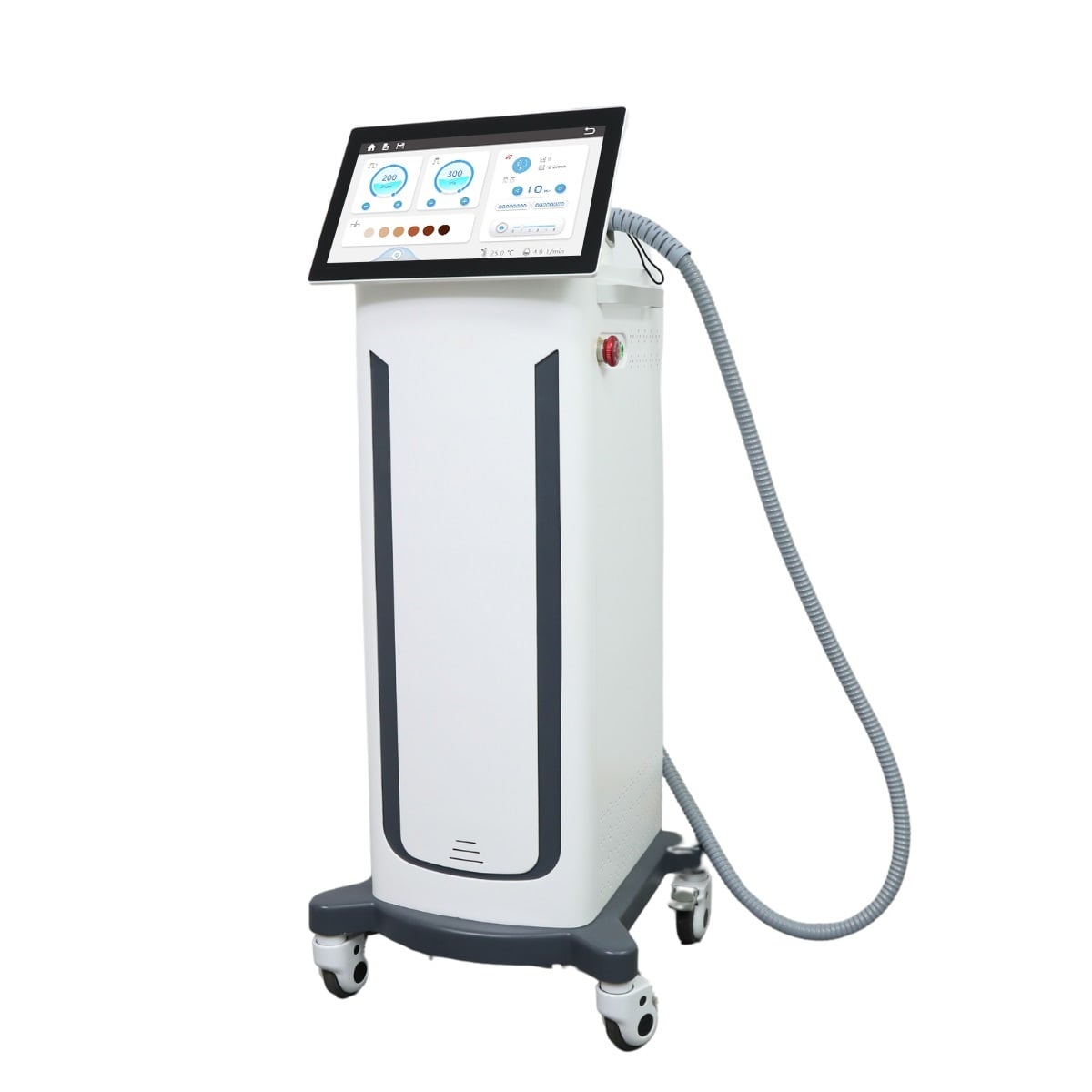
A practical selection process weighs treatment fit, usable controls, safety provisions, workflow, service support, and total ownership cost together. A picosecond laser and a fractional co2 laser serve different aesthetic goals, so comparing them with hair-removal equipment only makes sense when planning a broader portfolio. The sections below turn these considerations into a clinic-focused evaluation.
Review booking history, consultation notes, and expected client growth before evaluating a diode laser hair removal machine. Estimate how often hair reduction is requested, which body areas are commonly treated, and whether demand is steady or seasonal. A hifu service may attract clients seeking another type of procedure, while an ipl machine can occupy a different role in a clinic's service plan.
Separate core demand from occasional requests. A picosecond laser is associated with other treatment objectives, and a fractional co2 laser brings its own clinical workflow; neither should inflate projected hair-removal bookings. This distinction helps the clinic avoid buying around a broad menu rather than a clear operational need.
Discuss skin assessment, hair characteristics, contraindication screening, and treatment planning with qualified practitioners. Ask how the device documentation describes suitable cases and operating parameters, then check that these align with your clinic protocols. A hifu device, an ipl machine, a picosecond laser, and a fractional co2 laser each require separate suitability decisions rather than assumptions based on one device category.
Consider how appointment patterns affect room turnover. Large treatment areas, repeat visits, consultation time, and cleaning tasks all shape capacity. If hifu treatments or ipl machine appointments already occupy rooms, estimate whether a dedicated hair-removal platform can fit the schedule. Treat a picosecond laser and fractional co2 laser as distinct workflow commitments when assessing shared staff and space.
Read the technical documentation rather than relying on a headline power figure. Confirm the available wavelengths, treatment settings, spot options, cooling approach, and handpiece details, and ask how each feature is intended to support your treatment protocols. When assessing hifu equipment or an ipl machine alongside the laser, compare relevant functions without treating unlike technologies as interchangeable.
Ask for a structured demonstration using the interface and workflow your team will actually use. Check whether settings are easy to locate, whether treatment records can be managed consistently, and whether the handpiece feels practical during a representative session. A picosecond laser or fractional co2 laser may have a different control layout, so their interfaces are not a substitute for evaluating the proposed hair-removal system.
Review the manufacturer documentation, required protective equipment, room controls, maintenance instructions, and staff training provisions. Confirm how the clinic will perform screening, consent, parameter selection, and incident documentation under its professional standards. If hifu services or an ipl machine are already in use, make sure shared room procedures do not blur device-specific safety steps.
Clarify who can operate the equipment and what training is included before purchase. Request training coverage for setup, routine checks, cleaning, troubleshooting, and escalation when a fault occurs. A picosecond laser and a fractional co2 laser may have separate training needs; assign responsibilities for every platform instead of assuming familiar staff can transfer skills automatically.
Build a total-cost estimate that includes acquisition, installation, consumables, servicing, staff time, and any room changes. Compare that estimate with realistic treatment capacity and expected utilization, not an idealized full calendar. Include hifu appointments and ipl machine use when calculating shared room demand, while keeping their revenue assumptions separate from hair-removal sessions.
Ask which components need scheduled replacement, what routine maintenance involves, and how downtime is handled. Confirm delivery, installation, warranty terms, and access to technical support in writing. If a picosecond laser or fractional co2 laser shares the same treatment suite, include its scheduling and upkeep demands in the room plan without mixing its costs into the laser's per-treatment assumptions.
Use a consistent evaluation record for each candidate: clinical fit, documented specifications, demonstration feedback, training, safety procedures, service terms, and projected operating cost. Invite both practitioners and the person responsible for procurement to review it. A hifu platform, an ipl machine, a picosecond laser, and a fractional co2 laser should each be judged against their own defined purpose.
Before approving a purchase, resolve gaps in documentation and confirm that the proposed setup fits the clinic's intended use. A diode laser hair removal machine should be selected only when its stated configuration, practical workflow, and support arrangements suit your requirements. Keep the decision tied to evidence, rather than adding a feature because another device category offers it.
Neither specification alone settles the choice. Match documented settings and operating requirements to staff training, treatment protocols, and expected case mix. If hifu is also in the clinic, assess that platform separately and avoid using its specifications to judge hair-removal capability.
Do not assume the devices are interchangeable. Compare their documented intended uses, protocols, and operational requirements with your clinic's needs, then make the decision with qualified practitioners. Confirm that the selected ipl machine or laser is appropriate for the services you plan to provide.
They should inform space, staffing, and budget planning, but not substitute for a device-specific review. A picosecond laser and a fractional co2 laser have distinct service workflows. Evaluate each according to its purpose, then check how the complete portfolio fits the clinic.

