

 EN

how-to-choose-a-pemf-therapy-device-for-a-physiotherapy-practice, how-to-choose-a-pemf-therapy-device-for-a-physiotherapy-practice, /blog
EN
Choosing a pemf therapy device for a physiotherapy practice starts with a clinical question: which patients and treatment goals should it support? The right choice depends on intended use, staff capability, room setup, and how the system fits alongside existing care. A clear decision process helps you assess devices without treating technical specifications as a substitute for clinical suitability.
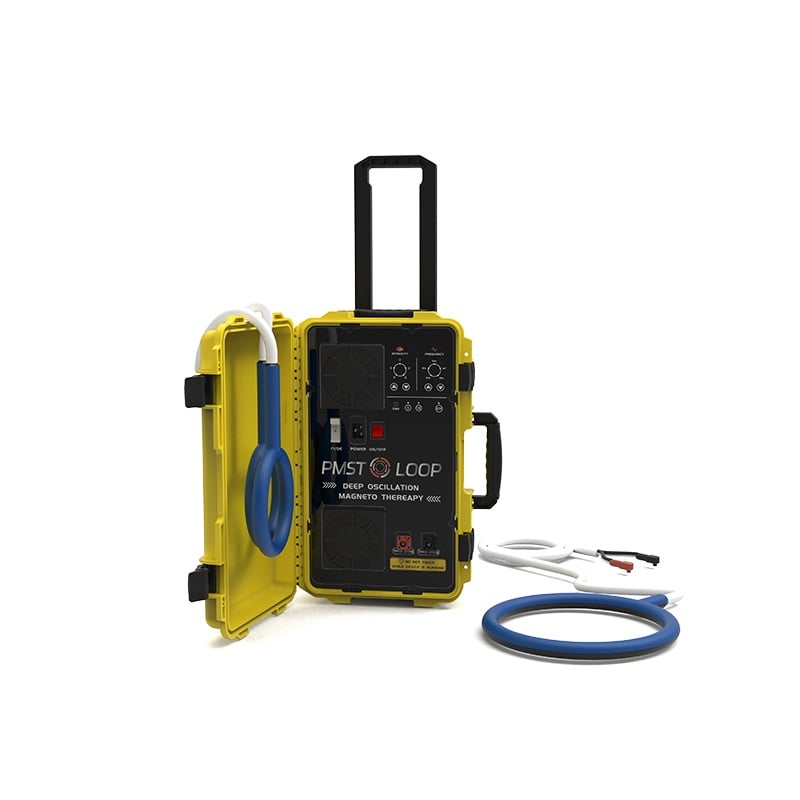
Begin by defining the role you expect the system to play: an additional modality within a broader rehabilitation plan, a tool for particular treatment pathways, or a way to expand service capacity. Compare that need with your patient mix and existing physiotherapy equipment. This makes discussions about PMST, PMCT, and TECAR more useful because each option can be judged against your actual workflow.
Write down the patient groups, treatment settings, and clinical goals the device is expected to support. A PMST system may be considered when a practice is exploring pulsed magnetic stimulation, while PMCT may appear in discussions about magnetic treatment systems. TECAR is another modality to assess, but it should be considered in relation to its own intended role. Your physiotherapy equipment should support a coherent plan rather than simply add another treatment option.
Ask clinicians to describe how a session would fit into assessment, exercise, and follow-up. Consider whether PMST aligns with the cases your team commonly sees, and whether PMCT suits the treatment aims under review. When comparing TECAR with a magnetic approach, avoid assuming that one can replace the other. Physiotherapy equipment is most useful when its role is clear to staff and patients.
Names such as PMST and PMCT do not, by themselves, explain a system’s operating method or clinical suitability. Request clear documentation covering the device’s intended use, available applicators, controls, treatment settings, and maintenance needs. For TECAR, review comparable information so that your assessment uses consistent criteria. This helps prevent a purchasing decision based mainly on terminology or a single specification.
Create a short evaluation brief that includes patient needs, room constraints, staff experience, and how the proposed system would integrate with other physiotherapy equipment. Ask how the PMST applicator is positioned and adjusted during a session, and what the PMCT configuration requires from the operator. Consider TECAR in the same operational context, while keeping its separate modality and intended workflow in view.
Before a trial or purchase, check the manufacturer’s instructions for use, contraindications, precautions, and patient screening requirements. Confirm that PMST training is available for the clinicians who will operate the system, and determine whether PMCT calls for specific setup or supervision practices. Apply the same diligence to TECAR. Physiotherapy equipment must be used within professional guidance and the device’s stated purpose.
Consider who will decide whether a treatment is appropriate, how screening findings will be recorded, and when a clinician should pause or modify a session. A PMST workflow should make those responsibilities understandable to every operator. For PMCT, ask how settings are selected and documented. When evaluating TECAR, clarify its distinct procedures rather than transferring assumptions from another modality.
Map a typical appointment from room preparation to cleaning and documentation. Check whether PMST setup fits the time available and whether the PMCT system can be positioned without disrupting patient movement or clinician access. Evaluate TECAR against the same appointment flow. Practical physiotherapy equipment should fit the clinic’s rooms, storage, power access, and cleaning routine.
If possible, arrange a structured demonstration using representative tasks and staff members. Ask the team to assess controls, patient positioning, adjustment between sessions, and the clarity of operating instructions. Observe PMST handling, then review PMCT setup and TECAR procedures separately. Record practical questions and unresolved limitations; a short trial is more informative when the practice agrees in advance on what it needs to learn.
Look beyond the initial price to understand delivery, installation, training, consumables, servicing, warranty terms, and expected maintenance. Ask what support is available if a PMST applicator needs attention or a PMCT control issue interrupts use. Review TECAR service arrangements on their own terms. This comparison helps you estimate the operational commitment without assuming that purchase cost alone reflects value.
Check whether the system can be serviced locally or requires a planned service process, and establish who will manage routine checks. Confirm the expected availability of replacement components and the process for reporting faults. When evaluating PMST and PMCT, include these details in the same record as clinical requirements. Compare TECAR support consistently, and ensure the selected physiotherapy equipment can be maintained under your practice’s procedures.
Give each option a written assessment against your agreed priorities: clinical fit, safety information, ease of use, room compatibility, training, and ownership requirements. If a PMST system remains under consideration, link its proposed use to a defined treatment pathway. Assess PMCT against the same criteria, and consider TECAR only in the context of its distinct role. A transparent process makes the final choice easier to explain to clinicians and practice managers.
Before committing, identify the person responsible for clinical governance, staff onboarding, maintenance records, and periodic review of use. A selected pemf therapy device should have a clear place in the service plan, not merely a designated corner in the clinic. Whether the shortlist includes PMST, PMCT, or other physiotherapy equipment, document why it meets the practice’s needs and what evidence or guidance informs its use.
Start with patient needs and the intended clinical role, then verify intended use, precautions, training, and workflow. For PMST or PMCT, review the specific system documentation rather than relying on a modality label. Check that the proposed use fits your professional guidance and service plan.
You can compare them as possible additions to a treatment service, but assess each modality on its own intended role, safety information, training needs, and workflow. TECAR should not be treated as interchangeable with a magnetic system. Select physiotherapy equipment according to clinical fit, not familiarity alone.
Use a demonstration or structured trial, involve the clinicians who will operate the system, and test realistic setup and documentation tasks. Discuss PMST and PMCT handling with staff, clarify training responsibilities, and plan review after implementation. Consistent use depends on clear procedures, suitable cases, and practical support.

