

 EN

how-to-choose-a-shockwave-machine-for-professional-rehabilitation-settings, how-to-choose-a-shockwave-machine-for-professional-rehabilitation-settings, /blog
EN
Choosing a shockwave machine for professional rehabilitation means matching treatment capabilities to patient needs, clinician expertise, and clinic workflow. A shockwave machine should support the intended applications without adding avoidable complexity. Rather than deciding on appearance or a single specification, assess how the shockwave machine will be used, who will operate it, and what evidence and support are available.
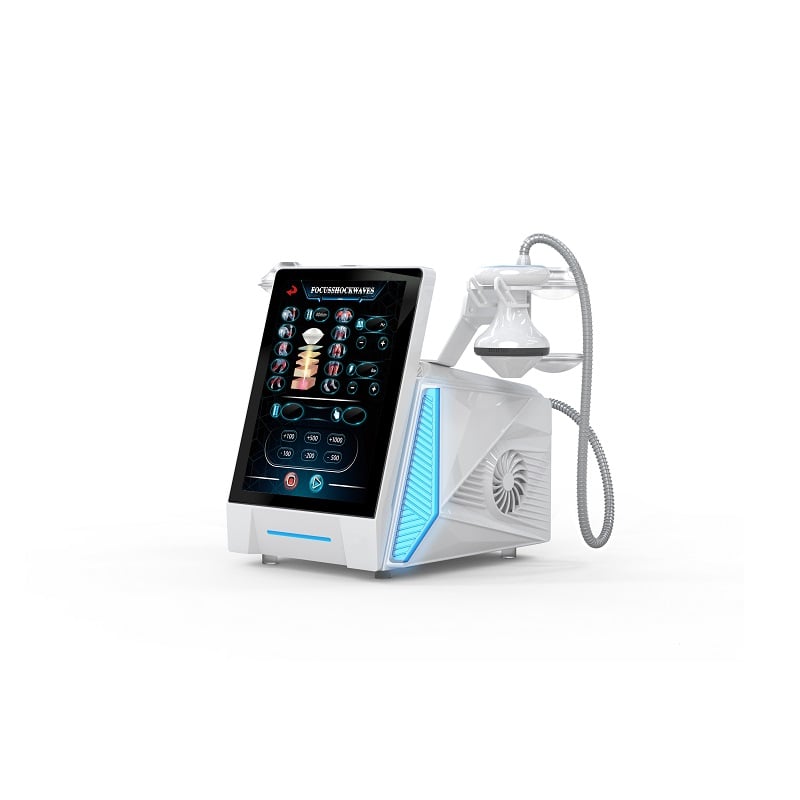
The best choice is the one that fits your service model and can be integrated responsibly into assessment and follow-up. Compare each shockwave machine against the conditions your team treats, available appointment time, and staff training. This process helps a clinic choose a shockwave machine for practical clinical fit, not simply because a feature list sounds comprehensive.
Start with the patient groups and presentations your rehabilitation service regularly sees. A shockwave machine may be considered for selected musculoskeletal conditions, but suitability depends on clinical assessment, patient history, and local protocols. Define which cases may be appropriate, which require further review, and how treatment will complement exercise, education, or other care.
Write down the intended treatment areas and the range of patients likely to attend. This gives the shockwave machine evaluation a concrete purpose and prevents buying for hypothetical demand. Ask whether the device supports the planned workflow, whether applicators suit the treatment sites, and whether clinicians can adapt settings to individual tolerance. A shockwave machine should serve a defined pathway rather than dictate one.
Understand the treatment modality offered and how it relates to your clinical plans. Focused and radial systems deliver energy differently, so their application, treatment depth, and operating technique are not interchangeable. When reviewing a shockwave machine, confirm its stated technology and ask for clear instructions on the intended use rather than relying on broad category labels.
Discuss modality with clinicians who will deliver treatment and consider the conditions they are trained to manage. The right shockwave machine is not automatically the one with the greatest number of modes; it is the one whose operating principles match the service’s scope. Review available clinical guidance, contraindications, and training materials before deciding how the device fits the care pathway.
A professional shockwave machine should let trained users understand and adjust relevant treatment parameters clearly. Assess how energy, frequency, and pulse delivery are displayed, and whether the interface makes settings easy to verify before treatment. Clear controls support consistent practice, while simple navigation can reduce avoidable interruptions during a busy rehabilitation schedule.
Ask for a demonstration using realistic clinic tasks, including selecting a protocol, adjusting parameters, and recording the session. Consider whether the shockwave machine allows clinicians to individualize treatment within their training and professional judgment. Preset programs may help navigation, but they should not replace assessment or automatically determine a patient’s treatment. Check that staff can explain each setting they use.
Examine applicator weight, cable reach, handpiece grip, screen position, and the space required around the treatment couch. These details affect clinician posture and patient positioning over repeated appointments. A shockwave machine that is difficult to maneuver may disrupt the session, so test it in the room where it will operate and include different staff members in the evaluation.
Safety depends on clinical screening, informed consent, correct operation, and adherence to manufacturer instructions. Confirm that the shockwave machine documentation explains contraindications, precautions, cleaning, and maintenance. Establish who checks suitability, how adverse responses are documented, and when treatment should stop. These safeguards matter more than assuming equipment alone can make a procedure appropriate for every patient.
Before purchase, clarify what onboarding includes and whether it covers practical operation, safety, and routine care. A shockwave machine is only useful when staff can operate it competently and know when to seek clinical advice. Check access to technical support, warranty terms, maintenance expectations, replacement parts, and any consumables that affect the ongoing cost of ownership.
Estimate the full operational commitment rather than focusing on the initial equipment price. Include staff training time, service arrangements, room setup, and the process for keeping records. Ask how quickly support is available if the shockwave machine needs attention and what steps are required to maintain it. Clear answers help managers plan continuity without making assumptions about uptime or treatment volume.
Map a typical appointment from referral and screening through treatment and review. Check whether the shockwave machine can be positioned conveniently, whether setup fits the allocated session, and how treatment details will be recorded. Consider cleaning between patients and storage when the device is not in use. A small workflow trial can reveal practical barriers that a brochure cannot show.
Use a consistent assessment record to compare clinical fit, usability, safety information, training, service, and total costs. Include clinicians, operational leads, and the person responsible for equipment procurement. The selected shockwave machine should meet agreed requirements and have a clear owner for maintenance and staff competency. Documenting the reasoning makes the decision easier to review as service needs change.
Define the patient pathway and treatment scope before reviewing equipment features. Then assess whether a shockwave machine suits that plan, and verify the device’s modality, instructions, safety guidance, and training needs. This sequence keeps clinical fit central when comparing a shockwave machine.
Not necessarily. Settings matter when clinicians understand them and can use them appropriately. Evaluate whether the shockwave machine offers relevant, clearly controlled parameters, rather than treating feature quantity as a proxy for suitability. Ask staff to demonstrate the shockwave machine during realistic tasks.
Arrange staff training, confirm safety and cleaning procedures, and assign responsibility for maintenance and records. Integrate the shockwave machine into a defined assessment and follow-up pathway, then review how it fits actual practice. Revisit the shockwave machine decision if service requirements or clinical protocols change.

