

 EN

how-to-choose-physiotherapy-equipment-for-a-modern-rehabilitation-clinic, how-to-choose-physiotherapy-equipment-for-a-modern-rehabilitation-clinic, /blog
EN
Choosing physiotherapy equipment for a modern rehabilitation clinic starts with the patients and services the clinic intends to support. The right mix is not simply the largest number of modalities; it is a set of tools that fits treatment goals, clinician skills, room capacity, and daily appointment flow. Consider physical therapy equipment as part of a coordinated service model, with each device assigned a clear role.
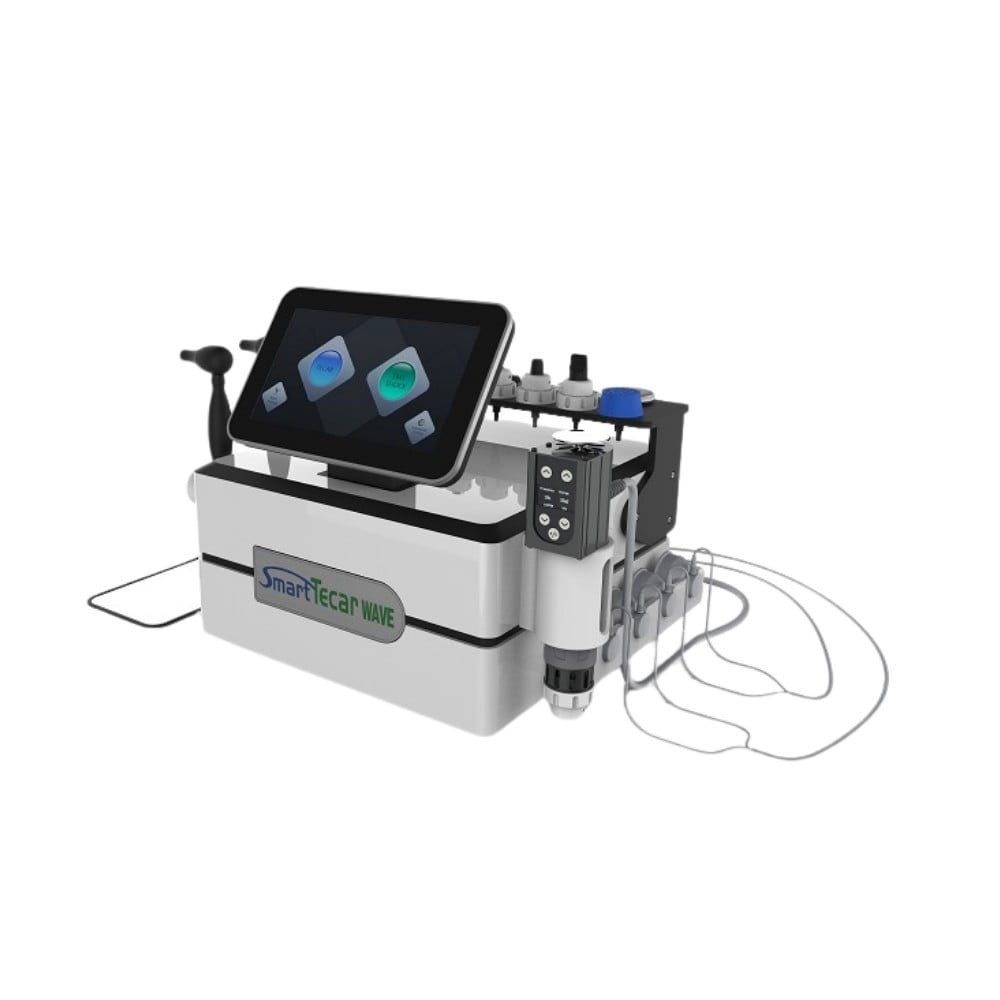
A practical selection process connects clinical demand to the available evidence, staff training, and operating constraints. A shockwave therapy machine, a pemf therapy device, and tecar systems serve different purposes and should not be treated as interchangeable. This guide explains how to assess those options, compare them with other physical therapy equipment, and build a clinic-ready purchasing decision.
Start by reviewing the conditions and patient groups that make up the clinic’s intended caseload. A sports rehabilitation service, for example, may prioritize musculoskeletal assessment and progressive exercise, while a clinic serving older adults may need equipment that supports broader mobility and comfort goals. This service map helps determine which physiotherapy equipment belongs in the initial setup and which can wait.
Write down the clinical purpose for every proposed purchase. Physical therapy equipment should address a defined need, such as supporting a treatment plan or improving appointment workflow, rather than being selected because a modality is currently popular. For tecar, identify which clinicians would use it, for which eligible patients, and how it would complement—not replace—assessment and active rehabilitation.
Before reviewing specifications, check who will operate each device and what instruction they require. A shockwave therapy machine may involve applicators, treatment settings, and patient screening, so the clinic should establish competency and supervision expectations. A pemf therapy device also needs a defined operating process, including how staff position the patient and document its use.
Measure treatment rooms, storage areas, power access, and movement paths. The physical therapy equipment footprint includes more than the device: allow room for a clinician to work safely, position a patient, and clean contact surfaces between visits. Consider tecar accessories and cable management as part of the setup, then check whether the planned schedule allows adequate preparation and turnover time.
Compare each modality against the clinic’s treatment protocols instead of judging it in isolation. A shockwave therapy machine may be considered for selected musculoskeletal indications, but suitability depends on patient assessment, contraindications, clinician training, and the evidence relevant to the specific use. Ask how sessions would fit alongside exercise, education, and other components of care.
For tecar, clarify the intended treatment approach and the manufacturer’s operating guidance before deciding whether it belongs in the service offering. Physical therapy equipment should have a role clinicians can explain to patients, with realistic expectations and documented selection criteria. Avoid assuming that a device’s presence guarantees a particular result or that every patient will be an appropriate candidate.
A pemf therapy device should be assessed in the same disciplined way: confirm intended applications, review available clinical information, and determine whether its use fits the clinic’s scope and protocols. Ask how the proposed treatment integrates with active rehabilitation and how outcomes will be reviewed. This makes the device decision part of a care pathway rather than a standalone purchase.
Compare controls, adjustment range, accessories, cleaning requirements, and the clarity of operating instructions. With a shockwave therapy machine, staff should understand patient screening, correct application, and the device’s limits before clinical use. For tecar, confirm that the team can follow appropriate contact, positioning, and operating procedures consistently across practitioners.
Check safety documentation, electrical requirements, service arrangements, warranty terms, and availability of replacement accessories. A pemf therapy device may have different setup and session needs from other modalities, so estimate its effect on room use and appointment duration. For all physical therapy equipment, request complete documentation and confirm that the clinic can meet applicable local requirements.
If a unit combines several functions, assess each function on its own merits. A combined tecar and shockwave therapy machine, for instance, may reduce the number of separate units, but the clinic still needs to verify usability, accessories, service conditions, and workflow for every modality it plans to offer. Multi-function design is useful only when the features match actual clinical demand.
Look beyond the purchase price to estimate total ownership costs. Include installation, training, maintenance, consumables, accessories, room changes, and potential downtime. Physical therapy equipment that receives little use can tie up budget and space, so estimate realistic weekly demand and identify which clinicians will provide the service.
Compare expected utilization with the clinic’s appointment model. If a shockwave therapy machine would be used only occasionally, consider whether staged purchasing or shared access better fits the budget. A pemf therapy device should also have an accountable owner for scheduling, upkeep, and periodic review, rather than becoming an untracked asset.
Plan a rollout that includes device orientation, competency checks, written procedures, and patient communication. Clinicians using tecar should know how to select suitable cases, explain the intended role, and record treatment decisions. The same preparation applies to a shockwave therapy machine, including clear screening and escalation procedures when a patient’s presentation needs further assessment.
After implementation, review utilization, appointment duration, staff feedback, maintenance events, and whether the modality fits existing care plans. These operational measures help the clinic decide whether its physiotherapy equipment is serving the intended purpose. Review patient progress using appropriate clinical measures, but do not attribute outcomes to a device without considering the full treatment plan and individual circumstances.
A focused shortlist is usually more useful than acquiring every available modality. Select physical therapy equipment that has a defined patient group, trained users, a suitable room, and a sustainable operating plan. If tecar or a pemf therapy device remains under consideration, document why it meets a specific service need and what evidence or review process will guide continued use.
Prioritize the service gap with the clearest patient need, trained staff, and feasible workflow. Compare physical therapy equipment by clinical purpose, total ownership cost, space, and utilization rather than feature count. Establish how the device will fit with assessment and active rehabilitation before committing.
Review intended use, available evidence, contraindications, operating instructions, and local requirements. For tecar and a pemf therapy device, define staff training, patient selection, documentation, and outcome review. Neither modality should replace individualized assessment or a complete rehabilitation plan.
No. A combined unit may suit a clinic whose caseload and workflow justify each included function, but the team should evaluate every modality separately. Check training, safety processes, servicing, accessories, room fit, and realistic demand before selecting a shockwave therapy machine or other multi-function system.

