

 EN

how-to-compare-physiotherapy-equipment-suppliers-for-longterm-b2b-partnerships, how-to-compare-physiotherapy-equipment-suppliers-for-longterm-b2b-partnerships, /blog
EN
Comparing suppliers for a long-term B2B relationship means looking beyond equipment specifications and initial price. A clinic or rehabilitation network needs dependable service, clear training, documentation, and a practical route for resolving issues. When considering PMST or focused shockwave therapy, assess how well a supplier can support the equipment across installation, daily use, and future planning. The same evaluation applies when sourcing broader physiotherapy equipment.
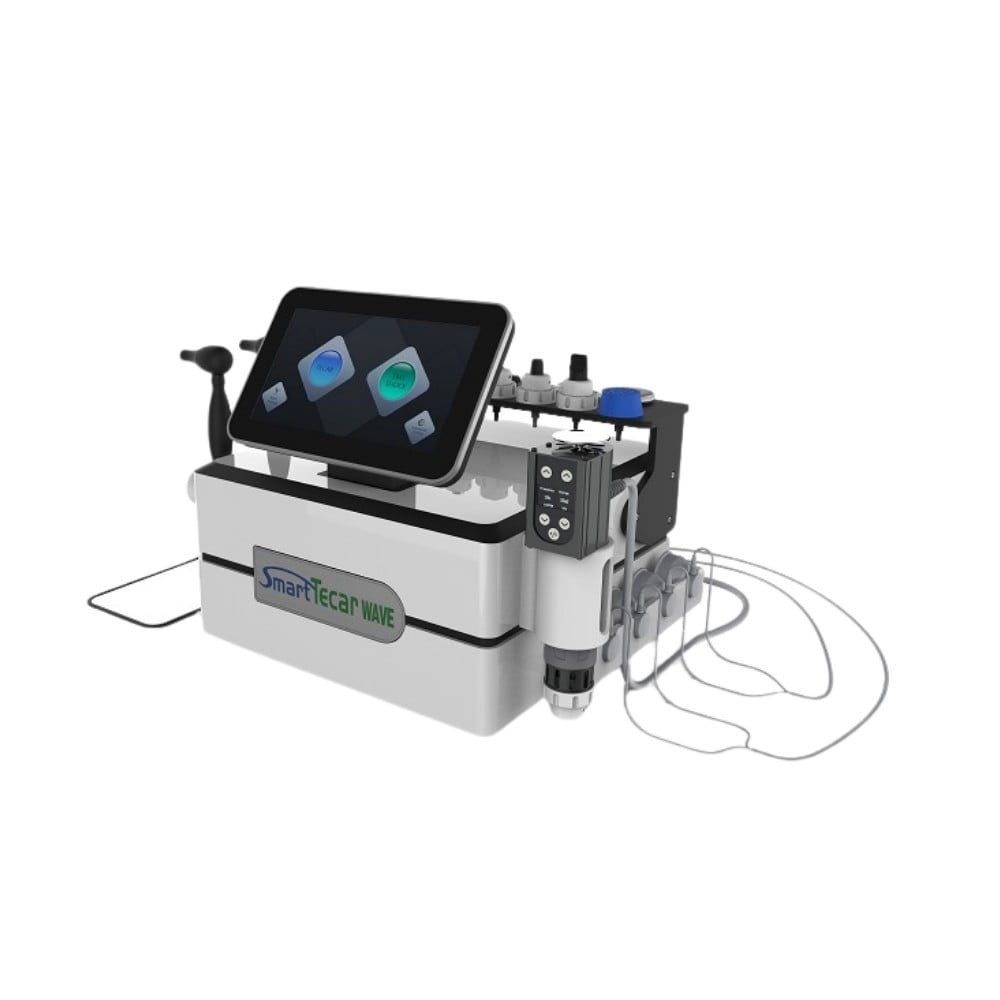
A useful comparison starts with your actual care environment: treatment mix, staff experience, room capacity, and expected utilization. If you are reviewing a shockwave therapy machine or PMCT system, ask each supplier to explain configuration, operating requirements, and support boundaries in writing. This turns broad promises into comparable information and helps identify a partner whose approach fits your organization, not just a single purchase.
Write down which patient pathways and treatment types the equipment must support, who will operate it, and how frequently it will be used. For PMST, request an explanation of the offered configuration and intended operating workflow rather than relying on a label alone. When assessing a shockwave therapy machine, connect each specification to a real requirement, such as room setup or staff competency. This prevents feature comparisons from taking priority over suitability.
Ask how focused shockwave therapy is configured for the applications your clinicians expect to deliver, and clarify any practical limits or additional requirements. Discuss whether PMCT represents a separate device, a treatment mode, or a particular configuration in the supplier’s documentation. Consistent terminology matters: it lets clinical, procurement, and technical teams discuss the same scope and reduces the risk of making a decision based on an unclear product description.
Request manuals, installation requirements, maintenance guidance, and the relevant compliance documentation before committing. For PMST, check that the information describes the actual offered model and gives staff a usable explanation of setup and routine checks. When focused shockwave therapy is part of the proposed package, confirm that training and operating guidance address the intended workflow. Clear records help your team assess fit and prepare for safe, consistent use.
Arrange a practical demonstration using scenarios that resemble your clinic’s work, rather than a feature-only presentation. Observe how a shockwave therapy machine is prepared, adjusted, cleaned, and returned to service between appointments. Ask for the PMCT configuration details and compare them with your room, staffing, and scheduling constraints. A structured demonstration gives clinicians and managers a common basis for evaluating usability, without assuming that more functions automatically mean better value.
A strong partner describes the path from order confirmation to operational handover, including delivery coordination, setup responsibilities, and staff orientation. Ask how PMST installation is planned and which site conditions must be ready in advance. For a shockwave therapy machine, confirm how the supplier explains operation to different users, including new staff who join after initial training. Defined responsibilities make scheduling more predictable and reduce avoidable delays.
Training should match both the equipment and the people using it. Ask whether focused shockwave therapy instruction includes hands-on practice, operating procedures, and a way to raise follow-up questions. Clarify what PMCT training covers and whether materials remain available to your team. A supplier should be able to explain the format and scope clearly, so you can decide whether additional internal orientation or competency processes are needed.
Discuss how the supplier handles technical questions, service requests, and routine maintenance. Ask PMST support contacts what information they need to diagnose an issue and how requests are tracked, rather than relying on vague assurances of availability. For focused shockwave therapy equipment, identify which checks are performed by the user and which require qualified service. A transparent process helps managers plan coverage and gives clinicians a clear escalation route.
Before selecting a shockwave therapy machine, ask for written warranty terms, exclusions, service procedures, and any applicable charges after coverage ends. Confirm how PMCT support is arranged when an issue affects scheduled treatment, and what information the supplier provides during resolution. Ask how focused shockwave therapy equipment is maintained over time. These practical details reveal whether after-sales support is organized and understandable, without treating an unverified response-time promise as a guarantee.
Long-term cooperation depends on clear ownership of open questions. Ask who coordinates installation, who handles clinical-use queries, and who manages technical service for PMST. For a shockwave therapy machine, establish how your organization will receive updates when a repair or replacement part is needed. A supplier that documents responsibilities gives your procurement and operations teams a reliable reference point as contacts or staffing change.
Request a sample service record or a description of how maintenance history is captured. Discuss how focused shockwave therapy records can be maintained alongside other equipment documentation, and clarify what your own team must log. Ask whether PMCT guidance includes routine care and fault reporting. This conversation tests the supplier’s attention to lifecycle administration, an important part of keeping multiple sites aligned and making future purchasing decisions from usable records.
Compare quotations on a like-for-like basis by confirming included accessories, delivery, installation, training, warranty scope, and service costs. For PMST, ask which components are included in the quoted configuration and which may be optional. When focused shockwave therapy is offered as part of a wider package, separate the equipment price from any distinct service or training charges. A clear cost picture supports budgeting without assuming that the lowest initial price is the lowest lifecycle cost.
Consider how a shockwave therapy machine will fit future capacity plans, including staff changes, room use, and the possibility of adding locations. Ask the supplier how PMCT configuration choices affect setup and operational planning, and record any assumptions in the proposal. Avoid paying for functions your team cannot use, but also check whether a basic option leaves a known operational need unmet. This balances current fit with realistic future requirements.
Give clinical, technical, procurement, and finance stakeholders shared criteria before reviewing proposals. Score each supplier against documented requirements such as usability, training clarity, service process, compliance information, and total cost. Include PMST and focused shockwave therapy requirements where relevant, and verify that each response refers to the same configuration. For PMCT, record unresolved questions instead of treating assumptions as confirmed capabilities.
Before signing, summarize the agreed scope, delivery milestones, training, warranty, service contacts, and responsibilities in the contract or accompanying records. Confirm that the shockwave therapy machine supplied will match the configuration evaluated by your team. Record how focused shockwave therapy support and PMCT-related questions will be handled after handover. This final check turns a promising discussion into a workable operating arrangement and provides a basis for reviewing the partnership later.
Prioritize fit to clinical workflow, accurate documentation, practical training, and clear service terms. For PMST or focused shockwave therapy, compare the stated configuration and support process, not just headline features. Review lifecycle costs alongside the quotation.
Ask for the service-request process, warranty details, maintenance guidance, and named responsibilities. For a shockwave therapy machine, confirm what staff can troubleshoot and when qualified service is needed. Ask how PMCT records and questions are managed.
Yes, when the demonstration follows your real operating scenarios. Have likely users assess setup, controls, cleaning, and handover. For PMST and focused shockwave therapy, ask the presenter to connect each feature to your requirements and explain any limitations before you decide.

