

 EN

how-to-document-shockwave-therapy-progress-for-better-planning, how-to-document-shockwave-therapy-progress-for-better-planning, /blog
EN
Documenting shockwave therapy progress gives clinicians a practical basis for planning each next visit. A consistent record shows whether a patient’s function, symptoms, and tolerance are changing, rather than relying on memory or a single pain score. The goal is not to prove a predetermined outcome; it is to make decisions transparent and responsive.
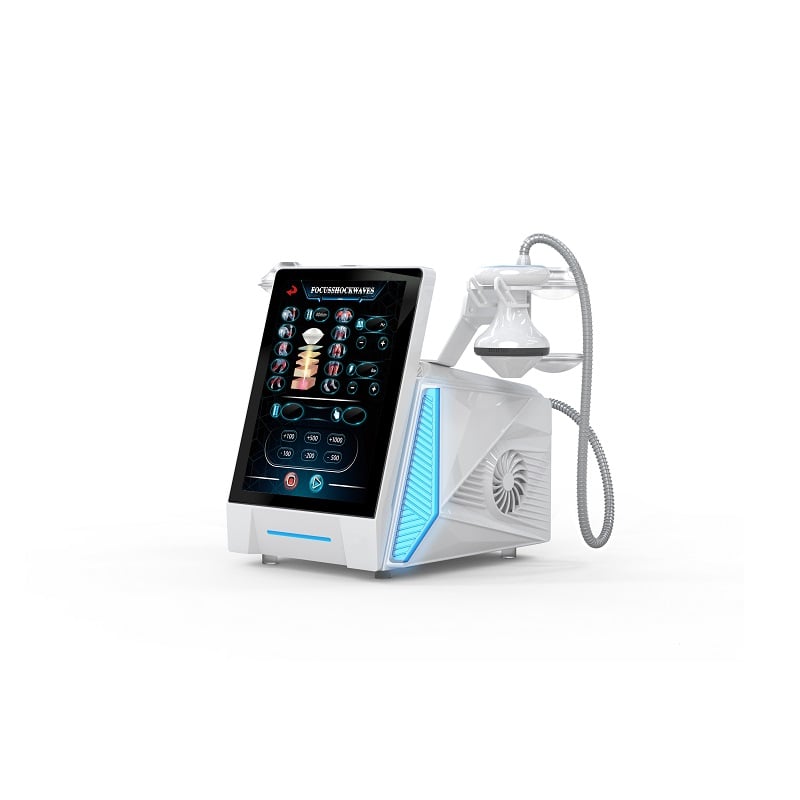
A useful record connects the initial assessment to every treatment session and the review that follows. For extracorporeal shockwave care, details about the target area, intervention, and response help distinguish meaningful change from normal day-to-day variation. This approach makes shockwave treatment easier to adapt within a broader musculoskeletal therapy plan, while keeping the patient involved in decisions.
Before treatment begins, record the main complaint in the patient’s own terms and identify the activity that matters most, such as walking, reaching, or completing a work task. Pair that goal with a repeatable measure, such as a pain rating during the activity, a functional questionnaire, or a relevant movement observation. In shockwave therapy, this baseline gives later findings a clear point of comparison; musculoskeletal therapy planning also benefits when measures reflect daily function, not symptoms alone.
Keep the assessment method stable across visits. If a clinician changes the task, scale, or testing conditions, note the change so the record does not imply that two unlike observations are directly comparable. For extracorporeal shockwave sessions, a concise baseline can capture symptom location, aggravating activities, relevant examination findings, and any factors that may affect participation. Include the patient’s priorities so shockwave treatment remains connected to a practical objective.
Document the date, body region, side, and treatment focus, then record the delivered settings and session details required by the clinic’s protocol. Include the applicator or device configuration when relevant, the patient’s position, and any adjustment made during the visit. In shockwave therapy, recording why an adjustment occurred is as useful as documenting the setting itself; it helps another clinician understand the decision rather than merely copy a number.
Add a brief account of the patient’s response during and immediately after the session, including comfort, tolerance, or any unexpected reaction. Avoid labels such as ‘good response’ without describing what was observed. In musculoskeletal therapy, precise notes support continuity when care spans multiple clinicians. They also make it easier to see whether the same symptom pattern is appearing across visits, while extracorporeal shockwave documentation preserves the context for later review.
At each follow-up, repeat the baseline measure under similar conditions and ask whether the patient has noticed a change in the target activity. Record both the score and a short functional example, such as completing a shift with fewer breaks or walking a familiar route more comfortably. Shockwave treatment may be delivered over a course of visits, so a session-by-session record helps place each response in sequence. For shockwave therapy, distinguish immediate post-session sensations from changes that persist between appointments.
Context matters when interpreting a score. Note relevant changes in workload, exercise, sleep, medication, or other care that could influence symptoms, without assuming that any single factor explains the result. This makes the record more useful than a simple before-and-after comparison. In musculoskeletal therapy, functional progress can be uneven, and an extracorporeal shockwave response should be considered alongside the wider clinical picture rather than treated as proof of cause.
A single improvement or flare does not necessarily define the overall direction of care. Review trends across the baseline and subsequent visits, then compare them with the patient’s stated goals and examination findings. Shockwave therapy planning is more defensible when the clinician can explain what has changed, what has remained stable, and what is still uncertain. Record the patient’s perspective separately from measured findings when the two do not align.
Document adverse or unexpected responses factually, including timing, severity, duration, and the action taken. If a measure worsens, repeat it when appropriate and consider whether testing conditions or recent activity differed. This helps keep shockwave treatment decisions proportionate to the evidence available. A clear note also gives the next reviewer a way to assess the pattern without relying on assumptions; extracorporeal shockwave progress can then be considered within the patient’s musculoskeletal therapy goals.
Agree in advance when progress will be reviewed, rather than extending a treatment course automatically. The review point may be based on a planned number of sessions, a change in function, or a clinical need to reassess sooner. Document the reason for continuing, modifying, pausing, or ending care, and connect that reason to recorded findings. In shockwave therapy, a scheduled review turns notes into a planning tool; extracorporeal shockwave decisions become easier to explain when criteria are visible.
At review, summarize progress against the original activity goal and identify any remaining limitation. If the patient has improved but not reached the goal, state what additional change would justify continuing the current approach. If there is little meaningful change, record the options discussed and the rationale for the next step. This supports shockwave treatment planning without suggesting that the same course suits every person, and helps the patient understand the role of musculoskeletal therapy in the broader plan.
Use a repeatable template with fields for baseline measures, session parameters, response, functional status, and the plan. A template reduces omissions, but it should not replace individualized clinical reasoning. In shockwave therapy, a short explanation of why the approach was maintained or changed makes the record more actionable than a string of copied entries. Include the next review date or trigger so the plan remains clear to the patient and care team.
Keep language objective, relevant, and respectful, and follow local privacy and record-retention requirements. Avoid recording unsupported conclusions or details that do not inform care. When progress is shared across a team, clarify who will collect the next measure and who will review it. These steps make musculoskeletal therapy documentation more consistent, preserve useful context for shockwave treatment, and give extracorporeal shockwave follow-up a clear link to the patient’s goals.
Record the treatment date and target, relevant settings, patient tolerance, immediate response, and any change to the plan. Add a repeatable functional measure when scheduled, so shockwave therapy notes can be compared over time. Include a brief reason for important adjustments and enough context to interpret the observation later. Extracorporeal shockwave records should be specific enough for another clinician to understand what occurred.
Use the same measure and activity where possible, and consider a series of observations rather than one visit. Note relevant context, such as workload or activity changes, and compare the patient’s account with functional findings. Musculoskeletal therapy planning should acknowledge variability, while shockwave treatment decisions should reflect the overall pattern rather than a single score.
Reconsider it at the agreed review point, when goals change, when findings raise a clinical concern, or when progress does not support the current approach. Document the evidence and rationale, then discuss realistic options with the patient. This keeps shockwave therapy responsive and lets the team assess extracorporeal shockwave care in context. A clear review also supports musculoskeletal therapy coordination and the next shockwave treatment decision.

