

 EN

how-to-evaluate-a-shockwave-therapy-machine-manufacturer-for-b2b-supply, how-to-evaluate-a-shockwave-therapy-machine-manufacturer-for-b2b-supply, /blog
EN
Evaluating a manufacturer for B2B supply means looking beyond a product page. A shockwave therapy machine must fit the intended clinical setting, arrive with clear documentation, and be supportable throughout its working life. Compare the evidence behind the offer, not just its headline features, alongside other physical therapy equipment and any pemf therapy device categories in your purchasing scope.
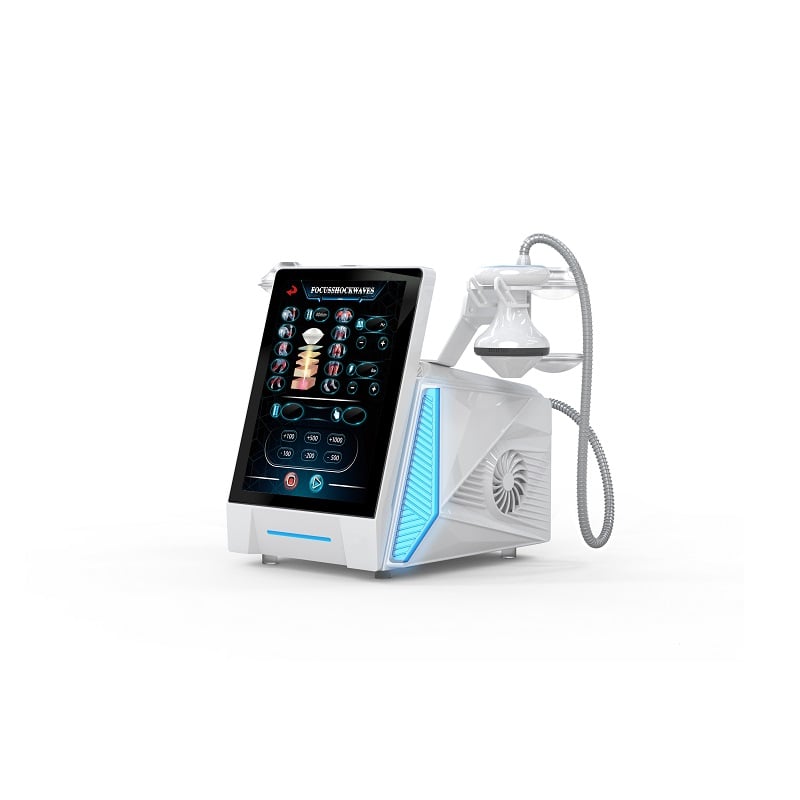
A disciplined assessment follows a practical sequence: define requirements, verify technical and quality records, test supplier communication, then agree on delivery and after-sales responsibilities. Treat PMCT and TECAR references as separate product categories rather than proof of shockwave expertise. This distinction helps procurement teams assess a manufacturer on the specific equipment and support being purchased.
Start by documenting where the unit will be used, who will operate it, and what treatment workflows it must serve. Specify the intended patient environment, operating frequency, interface needs, accessories, and expected daily use. Set comparable requirements for physical therapy equipment and a pemf therapy device only where those categories are part of the same sourcing project.
Ask the manufacturer to explain how the offered configuration meets each requirement, including which accessories are standard and which are optional. A useful response links product features to your written specification instead of presenting a generic catalogue. Apply the same discipline when reviewing PMCT and TECAR proposals, while keeping modality-specific requirements distinct.
Clarify what matters most to your organization before requesting quotations. For a multi-site buyer, service consistency and documentation may be central; a smaller clinic may prioritize operator workflow and installation planning. Define those priorities for the shockwave unit, then use equivalent criteria for other physical therapy equipment or a pemf therapy device.
Request a dated technical specification sheet that identifies the model, configuration, operating parameters, controls, and included components. Check whether each detail is measurable and internally consistent across the quotation, manual, and product materials. Apply this evidence-first approach to PMCT and TECAR documents too, without assuming specifications transfer between treatment modalities.
Ask how the device is intended to be operated and what training materials accompany it. Review the user manual before purchase where possible, paying attention to setup, cleaning, maintenance, contraindications, and troubleshooting. A manufacturer supplying physical therapy equipment should be able to answer practical documentation questions clearly; a pemf therapy device needs the same scrutiny.
Record open questions and request written responses, especially where terminology is unclear or specifications appear in different formats. This creates a traceable basis for approval and later receiving checks. Use the same documentation process for PMCT and TECAR sourcing, but evaluate each file against the relevant product rather than treating a broad catalogue as evidence.
Ask for quality and regulatory documentation applicable to the target market and the exact model being quoted. Confirm the model identifiers match across certificates, declarations, labels, and manuals, and clarify which entity is responsible for conformity records. These checks matter across physical therapy equipment and a pemf therapy device, while PMCT and TECAR require their own applicable evidence.
Do not rely on a certificate image without checking its scope, validity, and issuing details. Ask the manufacturer to explain the quality controls used during production, how finished units are inspected, and how nonconforming items are managed. Request that the same process be described for the shockwave configuration, not inferred from PMCT or TECAR materials.
For a B2B order, establish what records will accompany each shipment, such as serial-number information, inspection documents, and user materials. Agree on how revisions to components or software will be communicated. Buyers handling physical therapy equipment should define this change-control expectation explicitly, including for a pemf therapy device sourced under the same purchasing framework.
Ask what testing supports the stated operating characteristics and whether results relate to the supplied model and configuration. A supplier should distinguish verified technical data from intended use or marketing descriptions. This is a sound review practice for PMCT and TECAR as well as shockwave products, though the test methods and relevant risks will differ.
Review safety instructions for setup, routine use, cleaning, storage, and maintenance. Consider whether controls and warnings are clear for the staff who will operate the equipment, and whether training responsibilities are documented. Compare these practical safeguards when buying physical therapy equipment or a pemf therapy device, rather than relying on feature counts alone.
If a demonstration or sample evaluation is available, use a defined acceptance protocol. Have intended users check setup steps, interface clarity, accessory handling, and the completeness of supplied documents. Record observations against requirements, and use separate protocols for PMCT and TECAR where relevant; shared procurement does not make different systems interchangeable.
Before placing an order, confirm the production lead time, order confirmation process, packaging expectations, shipping responsibilities, and handling of delays. Ask who provides updates and what information is needed to resolve a delivery issue. Buyers sourcing physical therapy equipment should request the same clarity for a pemf therapy device, particularly when multiple items share a shipment.
Clarify installation needs, site preparation, operator training, and the format of any training materials. Establish whether support is remote, onsite, or arranged through another party, and identify the contact for each step. For PMCT or TECAR purchases, confirm their separate setup requirements; do not assume a process documented for one modality covers another.
Check the commercial terms for warranty coverage, exclusions, response channels, spare parts, and repair arrangements. Ask how a fault is reported, what information the service team needs, and how equipment downtime is managed. Include comparable support questions in physical therapy equipment and pemf therapy device contracts so expectations are clear before shipment.
Write receiving criteria into the purchase process: verify model and quantity, inspect packaging, match serial details, and confirm accessories and documents against the order. Define how discrepancies are recorded and who authorizes acceptance. This approach supports consistent receipt of PMCT and TECAR orders as well as the shockwave equipment itself.
A supplier evaluation should end with a documented decision, not an informal impression. Score the manufacturer's evidence, communication, quality controls, and service commitments against the requirements established at the start. Keep the rationale with procurement records so future physical therapy equipment or pemf therapy device orders can build on real experience.
Review performance after delivery using service response, documentation accuracy, training completion, and issue resolution as practical indicators. Share corrective actions through an agreed contact and retain a record of outcomes. Apply this review to PMCT and TECAR suppliers only within their respective scopes, keeping evaluation fair and product-specific.
Begin with a model-specific specification sheet, user manual, applicable conformity records, warranty terms, and a written quotation that identifies included accessories. Then request details on inspection, training, maintenance, and service contacts. Check that identifiers agree across documents before approving the order, and keep the final set with procurement records.
Ask the manufacturer to describe the service route, response process, spare-parts arrangements, training format, and responsibilities for installation. Request written terms and use a scenario, such as a missing accessory or reported fault, to see whether the proposed process is clear. Confirm who will communicate updates after delivery.
A broad catalogue may help with purchasing administration, but it does not replace evidence for the specific model under review. Assess technical documentation, quality controls, delivery readiness, and service commitments for the equipment you intend to buy. Keep approval tied to those records, and evaluate other products separately.

