

 EN

how-to-fix-cannula-insertion-difficulties-during-endolaser-work, how-to-fix-cannula-insertion-difficulties-during-endolaser-work, /blog
EN
Cannula insertion difficulties during endolaser procedures represent one of the most common technical challenges practitioners encounter. These obstacles can compromise procedure efficiency, extend operative time, and potentially impact patient outcomes. Whether you work with endolaser treatment in body contouring, vascular applications, or other minimally invasive laser device applications, mastering insertion technique is fundamental to clinical success. Understanding the root causes of insertion resistance and learning proven solutions will elevate your procedural competency and patient satisfaction.
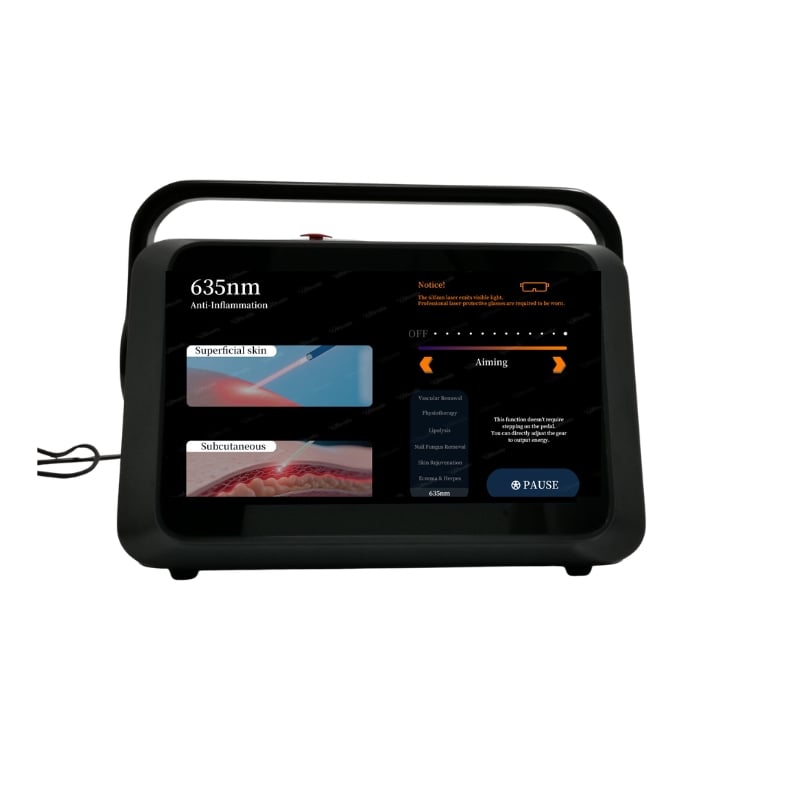
The laser lipolysis fiber and cannula system design requires precise anatomical understanding and technical finesse. Many practitioners encounter resistance during initial insertion, tissue tracking, or depth advancement. This article explores the practical strategies to overcome these challenges, from pre-procedure preparation through real-time problem-solving techniques. By implementing these evidence-based approaches, you can significantly reduce insertion complications and maintain smooth workflow during minimally invasive laser device deployment.
Cannula insertion resistance typically stems from several technical and anatomical factors. Inadequate tumescent infiltration ranks among the most frequent causes, as insufficient fluid volume reduces tissue plane separation and increases friction. The laser lipolysis fiber pathway becomes compromised when surrounding adipose tissue hasn't been adequately expanded. Additionally, patient positioning, skin tension, and entry point selection directly influence insertion ease. Many practitioners underestimate the importance of proper anesthesia delivery before endolaser treatment begins.
Tissue density variations create natural resistance points where the minimally invasive laser device cannula encounters fibrous tissue or structural barriers. Scar tissue from prior procedures, anatomical variations, and inadequate patient preparation all contribute to insertion difficulty. Understanding these mechanical sources allows you to anticipate problems and implement preventative measures before complications arise during your endolaser treatment protocol.
Forcing a resistant cannula leads to tissue trauma, vascular injury, and prolonged bleeding that compromises visualization. This aggressive approach damages the working environment that your laser lipolysis fiber depends upon for effective energy delivery. The minimally invasive laser device effectiveness diminishes significantly when surrounding tissue has been traumatized by forceful insertion. Extended operative time, increased patient discomfort, and elevated complication rates follow poor insertion management during endolaser procedures.
Proper tumescent preparation forms the foundation for smooth cannula advancement. Begin infiltration systematically across the entire treatment zone, allowing adequate time for fluid distribution and tissue expansion before introducing your cannula. The solution volume should be sufficient to create clear tissue planes where your laser lipolysis fiber will operate. Many practitioners who struggle with insertion resistance during endolaser treatment actually have an infiltration deficit rather than a technique problem.
Follow a deliberate infiltration sequence that respects anatomical layers and tissue compartments. Verify that tumescent fluid has diffused thoroughly by gently palpating the target area, feeling for uniform firmness that indicates complete expansion. When preparing for a minimally invasive laser device procedure, this preparation step directly determines how easily your cannula will advance through the working space during your endolaser treatment session.
The entry incision location dramatically affects cannula pathway accessibility. Select points where tissue planes separate most naturally, avoiding areas of fibrous attachment or scar tissue. Proper entry site positioning reduces the distance your laser lipolysis fiber must travel through resistant tissue. For endolaser treatment of different anatomical regions, entry point strategy varies significantly, requiring individualized planning rather than standardized approaches.
Mark entry points while the patient stands or sits in their final procedural position, accounting for tissue shift and gravity effects. This positional awareness prevents insertion angles that create unnecessary friction for your minimally invasive laser device cannula. Entry point precision eliminates a major source of resistance during endolaser procedures and allows your laser lipolysis fiber to reach target tissue efficiently.
When encountering resistance during endolaser cannula insertion, employ gentle oscillating motions rather than continuous forward pressure. The back-and-forth micro-movements allow the tip to probe for natural tissue planes where your laser lipolysis fiber system can advance smoothly. Rotating the cannula gradually as you introduce gentle forward motion often breaks through resistance that direct pressure alone cannot overcome. This technique proves particularly effective when navigating the dense tissue zones common in endolaser treatment procedures.
Never force a minimally invasive laser device cannula through resistant tissue barriers. If significant resistance persists despite proper technique, redirect your approach by withdrawing slightly and attempting entry from an adjacent angle. Sometimes resistance indicates that your infiltration was incomplete in that specific area, requiring additional tumescent injection before reattempting cannula advancement. This adaptive problem-solving mindset prevents trauma and maintains the tissue quality necessary for effective endolaser treatment delivery.
Fibrous zones beneath the skin require different insertion strategies than loose areolar tissue. When your laser lipolysis fiber approaches these areas during endolaser treatment, transition to a slower pace with increased patience. Gentle pressure combined with controlled oscillation allows the cannula to gradually separate fibers rather than tear through them. Recognition of tissue type during advancement helps you adjust technique in real time.
Deeper working planes for certain endolaser applications demand careful depth management to avoid puncturing underlying structures. Use your non-dominant hand to stabilize surrounding tissue and provide tactile feedback about cannula position. This technique applies whether you're delivering laser lipolysis fiber or managing a minimally invasive laser device through complex anatomical regions. Proper stabilization technique prevents the slipping and sudden advancement that creates insertion trauma during endolaser treatment.
Persistent insertion difficulty after initial attempts signals the need for procedural adjustment rather than continued force application. Withdraw your laser lipolysis fiber and minimally invasive laser device cannula completely and reassess the situation. Inject additional tumescent solution into the specific area of resistance, then wait two to three minutes for fluid distribution. This pause allows tissue expansion that may have been incomplete initially, creating the space your endolaser cannula requires for smooth advancement.
Some resistance patterns indicate that you need a different entry approach entirely. Rather than fighting through predetermined pathways during endolaser treatment, explore alternative cannula routes that work with your patient's anatomy. This flexibility in technique planning separates practitioners who consistently achieve smooth procedures from those who regularly encounter difficulties. Your laser lipolysis fiber deployment success depends directly on your willingness to adapt when initial strategies encounter unexpected resistance during endolaser work.
If bleeding occurs during cannula insertion for your minimally invasive laser device procedure, stop advancement immediately and allow normal hemostasis time. Continued insertion during active bleeding compromises visibility and increases tissue trauma. Elevate the treatment area and apply gentle pressure for one to two minutes. Once bleeding has substantially diminished, your endolaser treatment can proceed with improved working conditions that allow smooth laser lipolysis fiber deployment.
Insufficient tumescent infiltration represents the primary cause of insertion resistance during endolaser treatment. Additional factors include inadequate entry point selection, tissue density variations, fibrous barriers, and poor anatomical planning. Addressing infiltration adequacy and technique adjustments typically resolves most resistance issues encountered with the laser lipolysis fiber cannula during minimally invasive laser device procedures.
Never force a resistant cannula during endolaser treatment. Instead, withdraw your laser lipolysis fiber and minimally invasive laser device system, inject additional tumescent solution into the resistant area, and wait for tissue expansion. Then retry with an oscillating advancement technique or explore alternative entry angles. Persistence with gentle, adaptive technique surpasses forced advancement in achieving successful endolaser procedure outcomes.
Yes, entry point selection significantly impacts both insertion ease and overall procedure efficiency during endolaser treatment. Strategic positioning that respects natural tissue planes reduces resistance your laser lipolysis fiber encounters while improving your working angle for the minimally invasive laser device. Thoughtful entry planning during the pre-procedure phase prevents many insertion difficulties during your endolaser session.

