

 EN

how-to-fix-coupling-problems-in-focused-shockwave-treatments, how-to-fix-coupling-problems-in-focused-shockwave-treatments, /blog
EN
Coupling problems can make treatment inconsistent, uncomfortable, or difficult to reproduce. In focused shockwave therapy, the contact between the applicator and the patient is part of the energy pathway, so a small air gap, uneven pressure, or misplaced gel can disrupt delivery. A reliable fix starts with checking the interface before changing treatment settings.
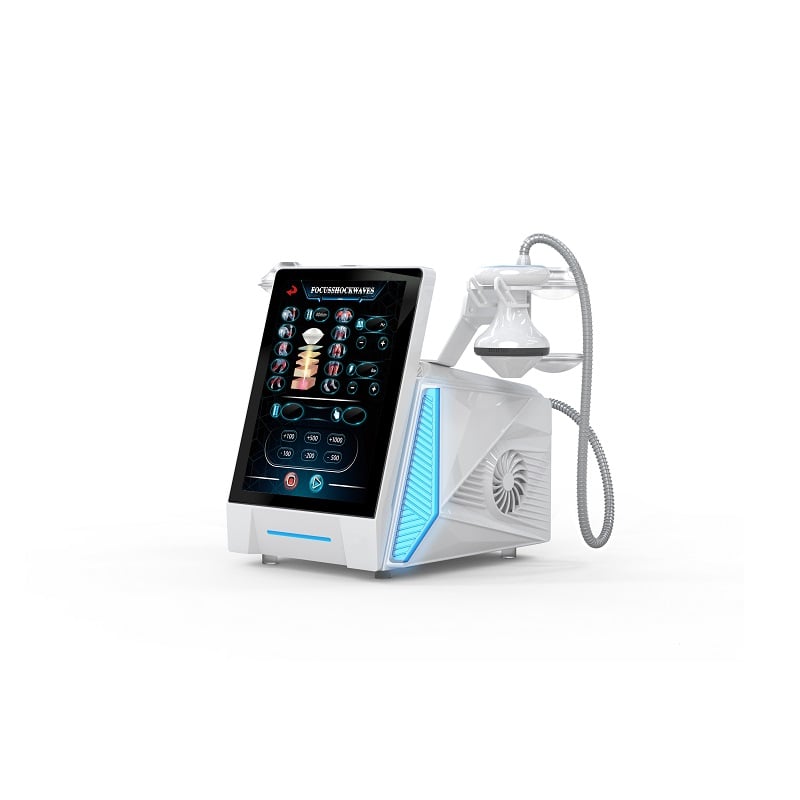
For clinicians in orthopedic rehabilitation, the practical goal is to restore stable contact, confirm the applicator is positioned correctly, and then reassess patient response. This guide offers a structured troubleshooting sequence for a focused shockwave device, from preparation through verification, while keeping clinical judgment and the equipment instructions central.
Pause delivery if the patient reports a sudden change in sensation, the applicator slips, or output seems inconsistent. Inspect the treatment area and applicator face for dried gel, debris, moisture, or visible damage. In extracorporeal shockwave treatment, effective contact depends on a continuous coupling layer; trapped air can interrupt transmission. A focused shockwave device should be checked according to its operating manual before treatment resumes.
Clean and dry the skin as appropriate for the clinical protocol, then apply sufficient coupling gel to create an even film without bubbles. In focused shockwave therapy, too little gel can leave dry spots, while excess gel may make the applicator unstable. For orthopedic rehabilitation, prepare the area so the clinician can maintain contact without repeatedly lifting the applicator or losing the intended treatment location.
Look for a smooth interface across the active treatment surface rather than judging by gel quantity alone. Keep the applicator face clean and confirm that its surface is intact. If the focused shockwave device has a replaceable or inspected component, follow the specified checks rather than improvising a repair. Record recurring coupling interruptions so the team can distinguish a preparation issue from a device concern.
Once contact is restored, align the applicator with the planned treatment site and maintain a steady, controlled position. Extracorporeal shockwave delivery may feel different when the applicator angle changes or pressure varies, so do not compensate for uncertain alignment by abruptly increasing intensity. In focused shockwave therapy, a deliberate repositioning and a fresh patient check are safer than continuing through an unstable interface.
Confirm that cables, connectors, and the handpiece are seated and routed so they do not pull the applicator away from the skin. A focused shockwave device should be operated within its documented setup requirements. In orthopedic rehabilitation, consistent handling helps the clinician assess whether a sensation change reflects contact, positioning, or the patient’s response to the selected treatment parameters.
If coupling remains inconsistent, troubleshoot one factor at a time. Reapply gel after checking for bubbles, adjust the patient’s position to provide stable access, and then re-establish the treatment landmark. This sequence helps make focused shockwave therapy more repeatable and avoids changing several variables together. For extracorporeal shockwave treatment, a stable patient position can be just as important as the coupling medium.
Skin contours, hair, perspiration, and movement can affect contact. Prepare the site in line with local clinical policy, and do not press harder simply to overcome a poor fit. In orthopedic rehabilitation, positioning supports both patient comfort and accurate targeting. A focused shockwave device cannot correct an applicator that is rocking, tilted, or being held over a moving area.
Ask the patient to describe what changed and when it began, then compare that report with the contact and positioning checks. A shift in sensation may reflect a coupling issue, but it can also call for clinical reassessment. Focused shockwave therapy should proceed only when the clinician is satisfied that the treatment site and setup remain appropriate. Explain any pause so the patient understands that troubleshooting is part of controlled care.
If the interface looks sound but delivery still seems irregular, stop and review the focused shockwave device display, selected applicator, connections, and any alerts. Check the operating manual for the approved startup, inspection, and fault-response sequence. Extracorporeal shockwave equipment should not be opened or adjusted beyond user-level checks unless the manufacturer’s instructions authorize the task.
Confirm the selected parameters against the clinical plan and the device’s documented capabilities. Do not use a higher setting to compensate for suspected poor coupling or uncertain output. In orthopedic rehabilitation, the treating professional must decide whether to continue, modify, or defer treatment based on the patient, the indication, and the equipment guidance. Document unusual behavior and follow the appropriate service process.
Before resuming focused shockwave therapy, verify stable skin contact, applicator alignment, and patient readiness. Restart in accordance with the clinical protocol and device instructions, then check in promptly about comfort and sensation. If the same interruption returns, stop again rather than repeatedly restarting. Extracorporeal shockwave delivery should remain controlled and clinically appropriate throughout the session.
A focused shockwave device log can help identify whether interruptions cluster around one handpiece, treatment area, setup step, or operator workflow. Note the observed symptom, checks performed, corrective action, and outcome. In orthopedic rehabilitation, concise documentation supports continuity between clinicians and helps the team recognize when a repeated issue needs equipment review instead of another adjustment at the bedside.
Pre-session preparation reduces avoidable pauses. Keep approved coupling supplies available, inspect the applicator as directed, and make sure the patient can maintain a comfortable, stable position. These simple habits make focused shockwave therapy easier to deliver consistently without treating gel application as a substitute for positioning or clinical assessment.
Use staff training to standardize how the treatment area is prepared, how contact is checked, and when a session must be paused. Extracorporeal shockwave procedures should follow the equipment instructions and the clinic’s clinical protocols. Revisit the workflow after recurring problems, and update it only through appropriate clinical and technical review. This keeps orthopedic rehabilitation practice systematic while leaving individual treatment decisions with the qualified clinician.
Pause delivery and inspect the skin, gel layer, applicator face, and alignment. Restore smooth contact before resuming focused shockwave therapy, and follow the device instructions if the issue persists.
No. Gel can address gaps in the contact layer, but it will not fix unstable positioning, a damaged applicator, or an equipment fault. In orthopedic rehabilitation, check the complete setup and patient position rather than adding gel repeatedly.
Keep treatment paused if contact cannot be stabilized, the patient reports concerning discomfort, an alert appears, or output remains irregular after approved checks. For extracorporeal shockwave equipment, use the documented fault-response process and seek technical review when indicated.

