

 EN

how-to-fix-electrode-contact-problems-during-tecar-treatments, how-to-fix-electrode-contact-problems-during-tecar-treatments, /blog
EN
When electrode contact becomes uneven during a session, the answer is usually not to increase output. First identify whether the issue comes from skin preparation, the electrode surface, coupling medium, movement, or the selected treatment settings. A systematic check helps keep tecar therapy controlled and comfortable while clarifying whether the problem is simple to correct or needs equipment support.
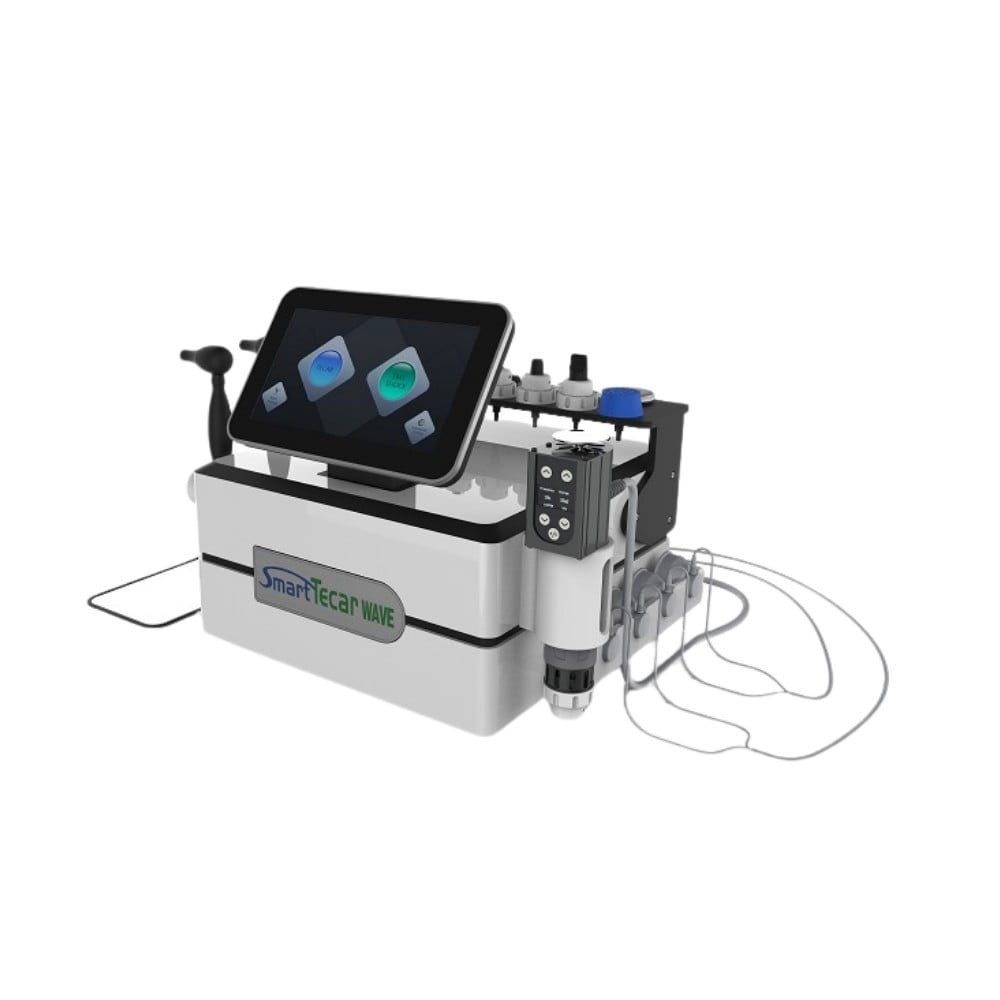
Electrode contact affects how energy is delivered, so inconsistent sensation deserves attention before treatment continues. Whether using capacitive resistive electric transfer, a radiofrequency therapy device, or another deep heat therapy setup, the clinician should pause, inspect the interface, and make one adjustment at a time. This approach makes the cause easier to identify without confusing a contact fault with a patient response.
Ask the patient to describe the sensation and location, rather than relying on a general report of warmth. With tecar therapy, a sharply localized hot spot, abrupt stinging, or a sensation that changes as the applicator moves can signal uneven contact. Deep heat therapy should feel gradual and tolerable; unexpected discomfort is a reason to stop and assess, not to push through.
Notice whether the sensation occurs at startup, after a period of movement, or only over a particular area. A radiofrequency therapy device may show stable output while the patient experiences a local change, so the display alone does not confirm good contact. During capacitive resistive electric transfer, compare the affected point with nearby tissue and ask whether pressure or movement changes the sensation.
Turn output off before inspecting the applicator, cable, connector, and any return electrode used in the treatment circuit. Look for residue, dried coupling medium, visible wear, looseness, or damage. In tecar therapy, a clean and intact applicator supports predictable contact, while a cable that is strained or intermittently connected may create inconsistent delivery. Follow the device instructions for cleaning and inspection.
Confirm that the return electrode, when required by the system, is fully placed on suitable skin and connected as instructed. Capacitive resistive electric transfer depends on the intended circuit and correct accessories; incomplete placement can disrupt the treatment pathway. Do not improvise with substitute parts. If the connection remains unreliable after reseating it safely, stop using the radiofrequency therapy device and follow the service procedure.
Expose and assess the full treatment area, then follow the clinical protocol for cleaning and drying the skin. Sweat, lotion, hair, or residue can interfere with smooth applicator movement. For tecar therapy, apply only the coupling medium specified for the equipment and technique. Too little can create drag or discontinuous contact; excess can make the applicator slide unpredictably and reduce the clinician’s control.
Spread the medium evenly across the intended area and maintain contact across the working face of the electrode. Deep heat therapy is not improved by adding more product without checking the interface. During capacitive resistive electric transfer, consistent coupling and a stable hand position help the clinician interpret changes in sensation. Reassess the skin if discomfort persists, and do not treat broken or irritated areas unless the approved protocol specifically permits it.
Use a controlled, continuous movement pattern appropriate to the treatment plan. Pausing over one small spot, rocking the applicator, or repeatedly lifting and replacing it can cause uneven sensation. In tecar therapy, keep the electrode face aligned with the skin and use steady, comfortable pressure rather than pressing harder to compensate for poor coupling. If the interface slips, stop output and re-establish contact.
Check that the selected mode, electrode, and planned area are compatible with the intended application. Capacitive resistive electric transfer uses different approaches according to the tissue target and protocol, so changing modes is not a substitute for correcting contact. A radiofrequency therapy device should be operated within its instructions and the clinician’s training. Resume at a cautious setting after the interface is stable, then reassess patient feedback.
After correcting a clear contact issue, restart only when the patient, electrode, and circuit are ready. Begin conservatively within the treatment plan and observe the patient closely. Deep heat therapy should develop in a controlled manner, not as a sudden surface hot spot. If using tecar therapy, confirm that the sensation remains even as the applicator moves and that the patient can communicate promptly.
Change one factor at a time, such as coupling, position, or movement, and note whether the sensation improves. This avoids masking the cause through several simultaneous adjustments. With a radiofrequency therapy device, compare the displayed settings with the prescribed plan, but treat patient comfort and clinical assessment as essential checks. Record recurring contact problems, the correction attempted, and whether the session could continue safely.
Stop treatment if discomfort continues, the applicator or cable appears damaged, connections cannot be secured, or output behaves unexpectedly. Do not open equipment, bypass safeguards, or continue simply because the display appears normal. Capacitive resistive electric transfer requires equipment and accessories to be used as directed; unresolved faults belong with the facility’s maintenance process or qualified service support.
Also consider patient-specific factors, including reduced sensation, skin changes, or difficulty describing heat. Deep heat therapy requires appropriate screening and monitoring under the clinician’s protocol. A persistent problem may reflect a clinical contraindication, an unsuitable treatment plan, or an equipment issue rather than a minor contact adjustment. When uncertain, end the session and obtain guidance before resuming.
No. Pause and check skin, coupling, electrode placement, cables, and the treatment circuit first. Increasing output during tecar therapy can intensify an uneven sensation without fixing its cause. Resume only when contact is stable and the patient reports a tolerable response.
Look for dragging, slipping, or a sensation that changes as the applicator moves, then inspect the skin and medium with output off. In capacitive resistive electric transfer, follow the equipment instructions for the correct coupling method. If the radiofrequency therapy device still behaves inconsistently, stop and seek qualified support.
Stop for persistent pain, burning, unexpected output, damaged parts, or an unreliable connection. Deep heat therapy should remain controlled and monitored, and tecar therapy should not continue through unexplained discomfort. Follow clinical protocols and equipment guidance before attempting another session.

