

 EN

how-to-fix-inconsistent-pulse-timing-in-pemf-therapy-devices, how-to-fix-inconsistent-pulse-timing-in-pemf-therapy-devices, /blog
EN
Inconsistent pulse timing can make treatment sessions unpredictable and complicate device evaluation. To troubleshoot a pemf therapy device, work from the signal source toward the applicator: confirm the selected program, observe pulse behavior, inspect connections, and repeat measurements under normal operating conditions. This sequence helps separate a configuration issue from a hardware fault.
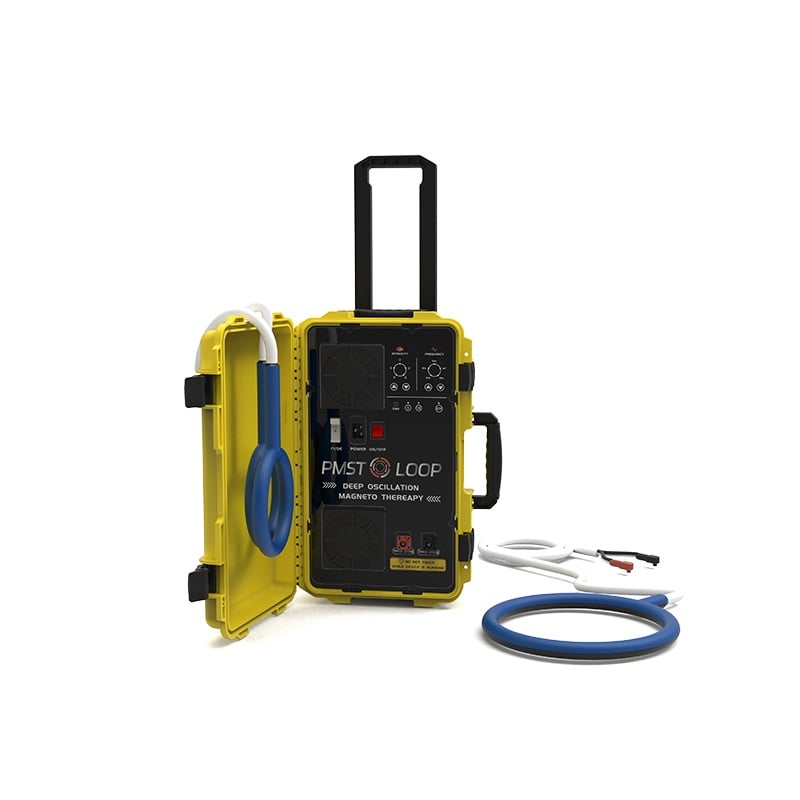
A reliable diagnosis starts with a baseline, not an immediate parts replacement. Record the selected frequency, intensity, session mode, and observed timing, then compare them with the device documentation. Whether assessing pulsed electromagnetic field therapy in a clinic or checking pemf therapy equipment in a service setting, use the same repeatable conditions. A recovery therapy device should be tested with its intended applicator connected and its controls set as specified.
Begin by checking that the displayed program matches the intended protocol and that no saved preset has changed the pulse frequency, interval, or session duration. A pemf therapy device may present timing values in different menus, so verify the actual active setting rather than relying on a remembered setup. During pulsed electromagnetic field therapy, record the values before changing anything; otherwise, a correction can hide the original cause. Compare the panel and operating instructions for units, mode names, and any limits on adjustable timing. This simple check also helps identify accidental input, incomplete selection, or a mode that resets after power cycling. If the setting is correct, move on without making speculative adjustments.
Use an appropriate measurement method recommended by the equipment documentation or service procedure. Keep the applicator, cable position, power supply, and selected mode consistent across repeated observations. A recovery therapy device can appear irregular when the operator changes settings between checks, so note each variable beside the result. For pemf therapy equipment, distinguish a genuine interval change from display refresh behavior, startup delay, or a pause between treatment phases. If the signal is available for safe measurement, compare multiple cycles rather than judging one pulse. The baseline should describe what the system does in normal use, not merely what its screen reports.
After confirming settings, inspect the power source and every accessible connection for looseness, contamination, visible damage, or strain. A pemf therapy device can behave differently when a connector intermittently loses contact, even if the display remains active. Disconnect and reconnect components only as permitted by the service instructions, and avoid opening energized equipment. During pulsed electromagnetic field therapy, an applicator that is not fully seated may interrupt output or trigger protective behavior. Check cable routing for sharp bends and ensure the coil or loop is the approved type for the system. If timing changes when a cable is gently repositioned, stop routine use and document the condition for qualified service.
Timing may vary after extended operation if the unit responds to temperature, load, or a protection state. Let the system cool or stabilize as directed, then repeat the same test and compare the result with the baseline. A recovery therapy device should be assessed with its intended applicator attached, because an unloaded check may not represent normal operation. For pemf therapy equipment, note whether the inconsistency begins at startup, appears only after several minutes, or follows a change in output level. Those patterns help narrow the cause without assuming a failed component. If pulsed electromagnetic field therapy timing remains erratic across controlled tests, preserve the settings and observations for technical review.
Once a likely cause is identified, change only one variable at a time, such as restoring a documented preset or replacing a visibly damaged approved cable. Then repeat the baseline procedure using the same mode, applicator, power conditions, and observation period. A pemf therapy device is not verified simply because its display looks normal; confirm that pulse intervals remain consistent across repeated cycles. During pulsed electromagnetic field therapy, keep a written record of the original condition, corrective action, and post-change observations. If the result improves only temporarily, treat that as an unresolved fault rather than a completed repair. Do not bypass safeguards or adjust internal controls outside authorized procedures.
Keep a brief service log with date, operating mode, applicator identification, timing observations, and any error messages. This makes repeated drift easier to recognize and gives a technician useful context. For pemf therapy equipment, follow the inspection and calibration schedule specified by its documentation, and remove a unit from service if output is unstable or damage is suspected. A recovery therapy device used across several rooms may need consistent setup training so staff do not mistake different presets for a timing fault. When the cause remains uncertain, provide the measured pattern and test conditions to qualified support. Clear escalation protects users and avoids trial-and-error changes that make diagnosis harder.
Yes. A saved mode can change pulse intervals without indicating a hardware problem. Confirm the active program on the pemf therapy device and compare it with the intended protocol. In pulsed electromagnetic field therapy, recording the setting before adjustment helps establish whether the preset was the cause.
Pause use if timing remains unstable, the unit shows an error, or a cable or applicator appears damaged. Check pemf therapy equipment only within approved user procedures, and do not open the enclosure. A recovery therapy device should return to service only after the issue is resolved and its operation is verified.
Share the selected mode, observed timing, connected applicator, test conditions, and when the behavior occurs. Include any changes made and whether the result persisted. These details help assess a pemf therapy device used for pulsed electromagnetic field therapy and clarify the service history for a recovery therapy device.

