

 EN

how-to-fix-mains-power-issues-affecting-shockwave-machine-output, how-to-fix-mains-power-issues-affecting-shockwave-machine-output, /blog
EN
When treatment output seems weak or inconsistent, mains power is one possible cause, but it is not the only one. This guide explains how to check the electrical supply and connected components systematically, so you can distinguish a facility power problem from a fault that needs qualified service. Begin with safe observations rather than opening equipment.
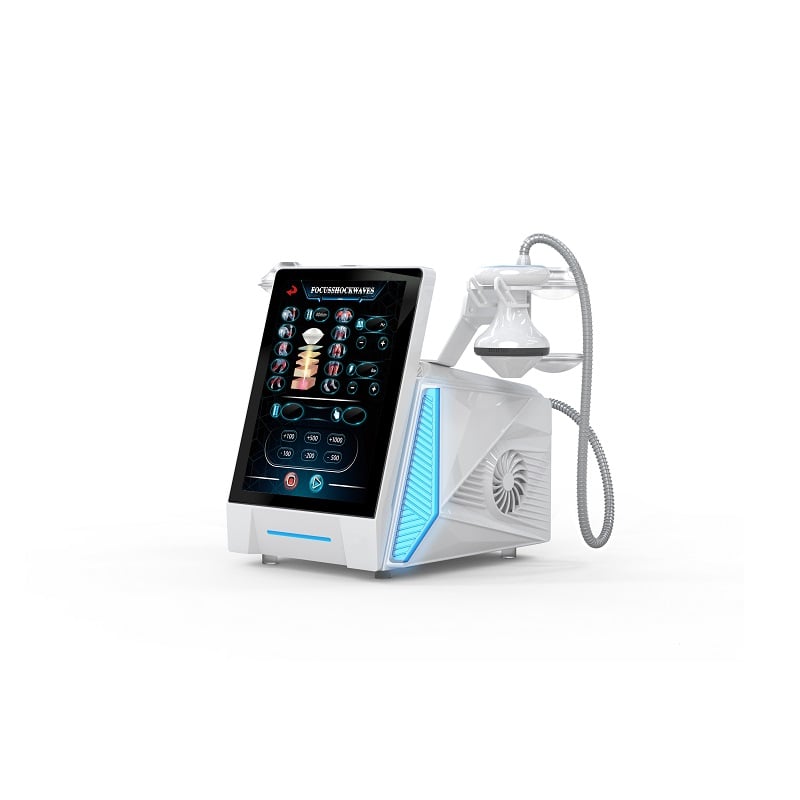
A shockwave machine depends on a suitable, stable supply for its controls and treatment cycle. A shockwave device may show alarms, restart, or produce a different response when voltage, connections, or operating conditions are unsuitable. The checks below help clinical and facilities teams decide what to inspect, what to record, and when to stop and request technical support.
First note exactly what changed: does the display flicker, does the system restart, does an alarm appear, or is delivered output simply different from the expected setting? A shockwave machine that powers down points toward a different issue than one that stays on but feels inconsistent. Record the time, room, selected settings, and any other equipment operating nearby.
Compare the symptom across sessions without changing several settings at once. If the shockwave device behaves normally in one room but not another, the location or its electrical circuit deserves attention. If the same symptom follows the equipment, document that pattern too; it may indicate an internal issue rather than a building supply concern.
A shockwave unit can be affected by a loose wall connection, an overloaded circuit, or a supply that falls outside the equipment requirements. Note whether lights dim, other devices restart, or a breaker trips at the same time. These clues do not confirm the cause, but they help facilities staff investigate the circuit safely.
For physiotherapy shockwave sessions, also consider what has recently changed in the treatment room: new electrical equipment, a moved outlet, an extension lead, or a different power strip. A shockwave machine should be used with an appropriate outlet and the supplied or specified power connection. Do not treat a temporary workaround as a permanent fix.
A useful first record includes the outlet location, symptom, alarm text, and whether the issue repeats after a normal restart permitted by the manual. For a shockwave device, this evidence helps distinguish a repeatable electrical symptom from a one-off interruption. Avoid repeatedly cycling power if the unit reports a fault or behaves abnormally.
Switch off the shockwave machine using its normal controls, then follow the manual before checking external cables. Look for visible damage, a plug that does not sit firmly, contamination, or a cable under strain. Do not touch exposed wiring, use a damaged cord, or remove covers; internal electrical checks belong to qualified personnel.
Confirm that the outlet and supply match the voltage and frequency specified on the equipment label and in its documentation. A shockwave device is not made compatible by using an improvised adapter. If the facility supply differs from the stated requirement, stop using that connection and ask a qualified electrician or the equipment service team to assess it.
A shockwave unit connected through a long extension lead, shared strip, or loose adapter may experience avoidable connection problems. Where the manual permits, test only with a suitable, known-good outlet on an appropriate circuit. A physiotherapy shockwave room should keep cables routed to prevent pulling, crushing, or trip hazards while preserving a secure connection.
Before concluding that mains power is responsible, verify that the selected treatment parameters, applicator, and operating mode match the intended procedure and the instructions for use. A shockwave machine may appear to have reduced output when settings or accessories differ from the previous session. Record the configuration so comparisons are meaningful.
If the shockwave device changes behavior when nearby equipment is switched on, tell facilities staff and note which devices share the circuit. Do not disconnect essential clinical equipment or alter building wiring yourself. The shockwave unit should remain off if its plug, cable, outlet, or casing shows damage, unusual heat, or a burning smell.
Use the same approved outlet and cable for a controlled check, and change only one safe, permitted variable at a time. For physiotherapy shockwave work, this method protects the session record and prevents assumptions based on different settings. If the symptom persists under a verified supply, electrical service troubleshooting should move to the equipment provider or authorized technician.
Share the recorded symptoms, outlet details, alarm messages, and safe checks with the person responsible for facilities or equipment service. A shockwave machine that fails on multiple suitable outlets may need technical assessment. A problem confined to one location is more consistent with a room or circuit concern, though only qualified staff can confirm that diagnosis.
Do not compensate for inconsistent output by raising treatment settings or repeating pulses. A shockwave device should be taken out of clinical use when an electrical fault is suspected, until the relevant manual or qualified service professional confirms it is safe. This approach avoids turning an uncertain power condition into a treatment decision.
Ask facilities staff to assess the outlet, circuit loading, grounding, and supply quality as appropriate to local electrical rules. The shockwave unit manufacturer’s stated requirements should guide any test equipment or corrective work. Clinical staff should not perform live electrical measurements or attempt internal repairs as part of routine troubleshooting.
A simple room record can capture outlet identification, inspection dates, cable condition, and recurring symptoms. For physiotherapy shockwave workflows, staff handovers should include any unresolved power concern, not just a note that the display turned on. Clear records make it easier to identify patterns before they interrupt another appointment.
Keep the shockwave machine connected as directed, protect its cable from compression, and avoid adding unapproved accessories to the power path. If facilities work changes an outlet or circuit, verify compatibility before returning the equipment to routine use. A shockwave device should only be cleared for treatment after the cause is addressed or a qualified review finds no safety concern.
The best resolution is evidence-based: identify the symptom, check permitted external connections, confirm the specified supply, and escalate anything that requires electrical testing. A shockwave unit that operates reliably on a suitable circuit can then be evaluated for other causes if output still differs. Keeping the troubleshooting record with equipment maintenance notes supports safer, more consistent clinical operation.
Yes, an unsuitable or unstable supply can affect operation, but settings, accessories, and equipment condition can also matter. Record the behavior and have the supply checked rather than assuming that a shockwave machine needs higher treatment settings.
Only use an extension or power accessory if the equipment instructions expressly permit it and the accessory meets the stated requirements. If a shockwave device works only through an improvised connection, stop and request facilities or technical advice; do not make that setup routine for physiotherapy shockwave sessions.
Stop using the equipment if there is visible cable or plug damage, unusual heat, a burning odor, repeated shutdowns, or an electrical fault alarm. Keep the shockwave unit off and arrange a qualified assessment before returning it to treatment.

