

 EN

how-to-fix-sudden-pressure-drops-in-airdriven-shockwave-machines, how-to-fix-sudden-pressure-drops-in-airdriven-shockwave-machines, /blog
EN
A sudden pressure drop in a shockwave therapy machine can interrupt treatment and make output inconsistent. Start by stopping use, noting the displayed pressure and any change in sound or pulse, then check the air supply before adjusting settings. This sequence helps distinguish a facility-side problem from a device fault without opening the equipment.
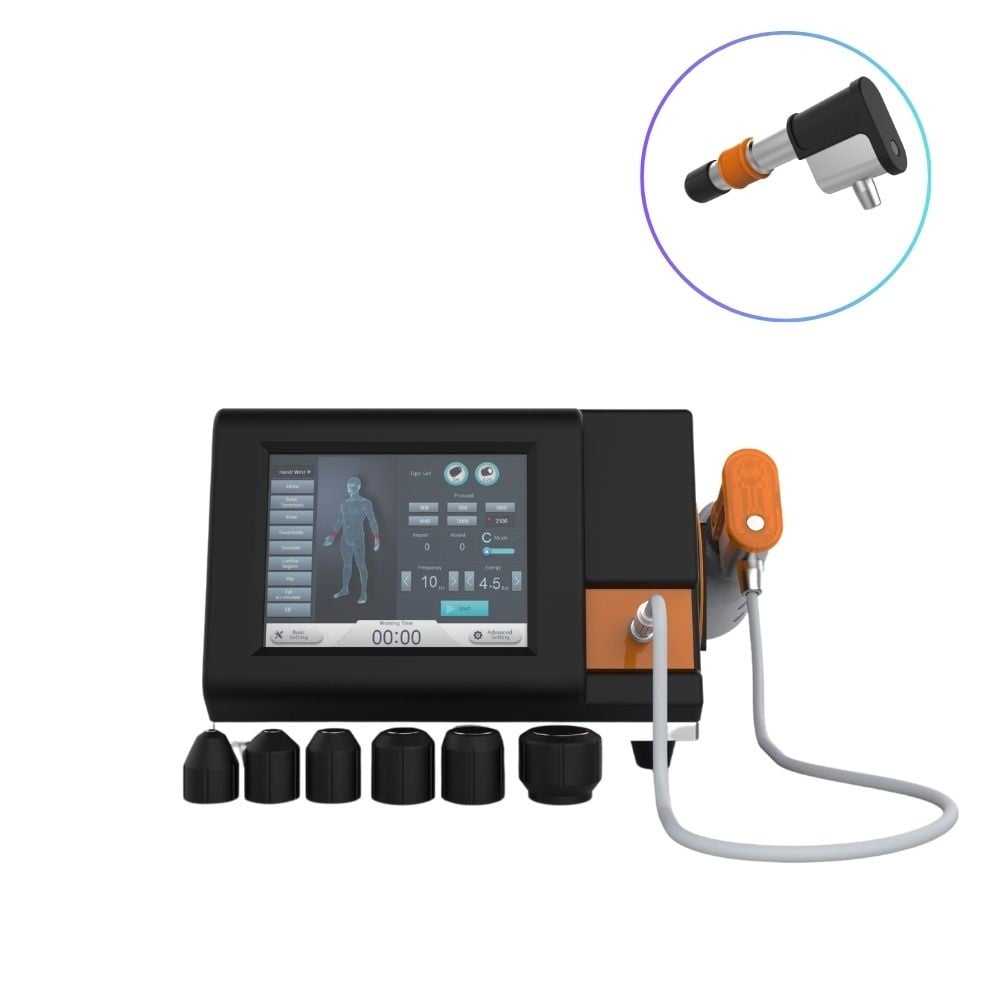
In pneumatic systems used for extracorporeal shockwave therapy, pressure depends on a stable supply, secure connections, and correctly configured controls. A radial shockwave device may show a pressure change alongside weaker pulses, but the display alone does not identify the cause. Use the checks below to restore a safe, consistent workflow for musculoskeletal therapy.
First compare the pressure shown on the shockwave therapy machine with the incoming supply requirement in its operating instructions. Check that the compressor is running, the outlet valve is fully open, and the regulator has not been moved. If several devices share one line, ask whether demand from another machine coincided with the drop; a fluctuating supply can imitate a device failure.
Listen for compressor cycling that seems unusually frequent, a low-supply warning, or pressure that falls only when treatment begins. Extracorporeal shockwave therapy needs a stable operating supply, so a normal reading while idle may not rule out a capacity or regulator issue under load. Record the reading at rest and during a brief approved test rather than repeatedly increasing the treatment setting.
With treatment stopped, inspect the air hose from the outlet to the radial shockwave device. Look for kinks, crushing, abrasion, loose couplings, or a connector that does not seat fully. A hiss can indicate escaping air, but no audible leak does not prove a sealed line. Keep the shockwave therapy machine powered down if a hose appears damaged, and replace or service it according to the manual.
Reconnect fittings only as directed by the manufacturer, then recheck the supply without pulling or twisting the line. A leak at the wall connection can affect every treatment, while a leak nearer the handpiece may affect only one channel. For musculoskeletal therapy sessions, note whether pressure loss follows movement of the hose or occurs at a particular outlet; that detail helps maintenance staff isolate the fault.
Once the external supply is stable, compare the selected pressure, frequency, and applicator with the treatment protocol and device instructions. A changed preset or an unintended control adjustment can look like a pressure fault. Restart the shockwave therapy machine only using its normal shutdown procedure, then observe whether the reading stabilizes. Do not bypass alarms or choose a higher setting to compensate for weak output.
Check whether the display reports a specific warning, whether the decline begins during startup, or whether it appears after repeated pulses. These patterns narrow the search without guessing at internal components. In extracorporeal shockwave therapy, output behavior should be assessed against the device’s specified operating conditions, not against another model or a remembered setting. Document the error message exactly for service support.
If the manual permits, test a known-good compatible applicator and connection after confirming the air line is secure. A pressure drop limited to one applicator points toward its fitting or wear, while a drop across compatible attachments suggests a shared supply or device issue. Keep the radial shockwave device within approved test settings and stop if it produces irregular sound, vibration, or heat.
Treatment technique can also change the sensation of output without causing a true pressure fault. Confirm that the applicator is assembled correctly and that the operator is using the specified contact method and coupling medium. For musculoskeletal therapy, separate a patient’s perception of weaker pulses from a measured system warning. Do not continue a session if output is erratic or the machine indicates unsafe operation.
After correcting an external issue, run the manufacturer-approved check before returning the shockwave therapy machine to clinical use. Confirm stable supply pressure, clear alarms, secure connections, and consistent operation under the prescribed test conditions. A brief observation should be enough to establish whether the original symptom has cleared; repeated high-pressure trials can add risk without improving diagnosis.
If the problem returns, stop testing and arrange qualified service rather than opening the housing. Internal seals, valves, regulators, and impact components may require inspection using model-specific procedures. Extracorporeal shockwave therapy equipment can contain pressurized and electrical systems, so internal repair belongs to trained personnel. Share the readings, timing, attachments used, and any recent maintenance with the service technician.
A concise log helps identify recurring pressure loss. Record the date, supply reading, selected settings, applicator, warning codes, and whether the issue occurred at startup or during treatment. For a radial shockwave device, note any change after hose repositioning or attachment exchange. These observations can distinguish a one-time supply interruption from a developing equipment problem and support a more focused inspection.
Routine checks should follow the service schedule and operating instructions, including inspection of hoses, fittings, filters, and approved accessories. Keep compressor maintenance current and avoid placing lines where carts or doors can crush them. A shockwave therapy machine that receives consistent checks is easier to assess when output changes. In musculoskeletal therapy services, a clear stop-and-report process also prevents uncertain equipment from being used on the next patient.
Pause treatment until you know the cause. A brief dip may reflect an unstable supply, but it may also signal a leak or device fault. Resume only after the shockwave therapy machine passes the approved checks and shows stable operation.
No. A loose fitting or damaged hose is one possibility, but settings, an applicator connection, supply capacity, or an internal fault can also affect output. In extracorporeal shockwave therapy, inspect accessible connections first and leave internal diagnosis to qualified service personnel.
Arrange service if pressure continues to fall after the external supply and connections are checked, if an alarm persists, or if operation sounds or feels irregular. Stop using the radial shockwave device and document the symptoms so the technician can assess it before musculoskeletal therapy resumes.

