

 EN

how-to-fix-temperature-drift-in-fat-freezing-treatment-devices, how-to-fix-temperature-drift-in-fat-freezing-treatment-devices, /blog
EN
Temperature drift in a cryolipolysis machine can interrupt a session, create uneven cooling, and raise safety concerns. A fat freezing device that no longer holds its set temperature should be assessed before another treatment begins. Start by documenting the display, checking the applicator and cooling system, and following the service guidance for the specific unit rather than compensating with unverified settings.
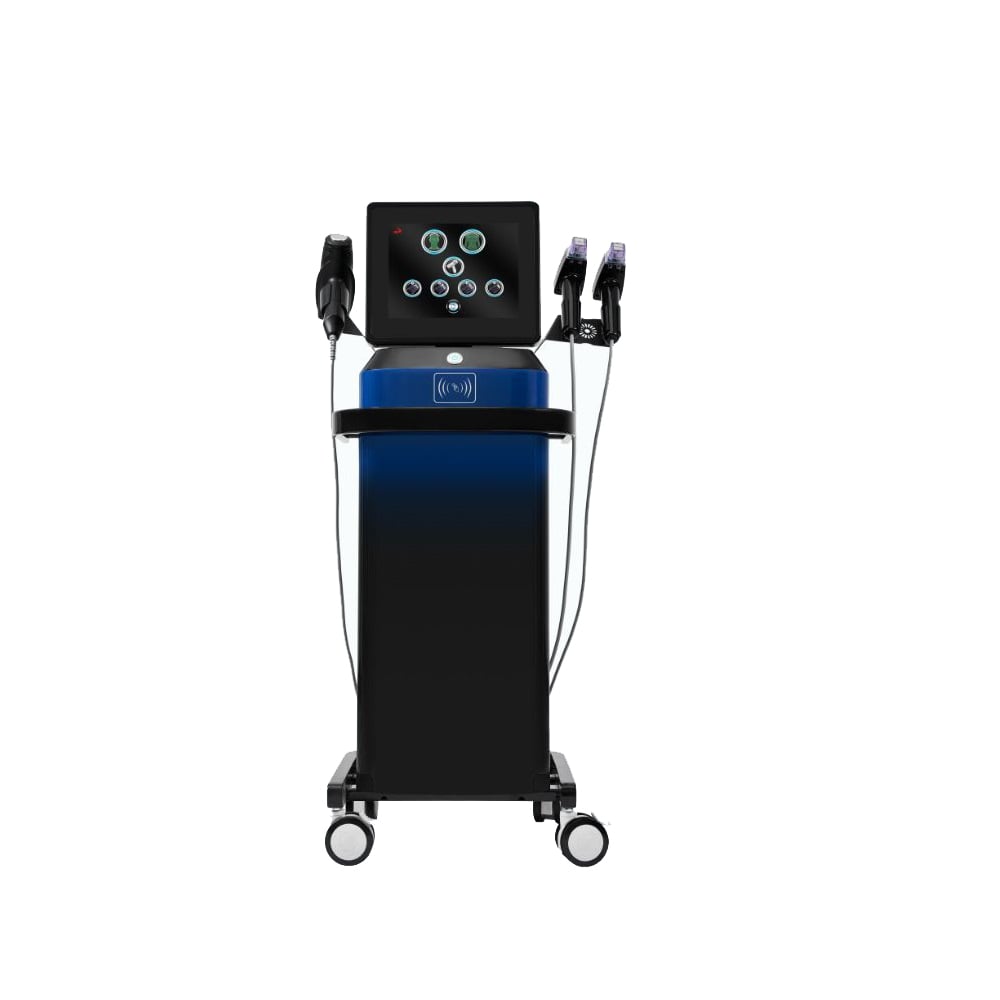
The safest fix is a structured diagnosis: confirm what is drifting, identify whether the cause is sensing, heat exchange, setup, or environment, then verify stability before returning to service. This approach protects clients and helps preserve reliable use of body contouring equipment. It also gives staff a consistent process for deciding when a cryolipolysis treatment must be delayed and when qualified technical support is needed.
First distinguish a brief display fluctuation from a persistent temperature change. Record the target, displayed reading, time, applicator in use, and whether the change occurs during startup or after contact with the client. A cryolipolysis machine may behave differently under operating load than during idle checks, so compare like conditions and use only the monitoring method permitted by its instructions.
Do not assume that a revised setpoint will correct the cause. On a fat freezing device, a reading that moves repeatedly may reflect a sensor issue, restricted heat transfer, or normal control cycling; those possibilities require different responses. If an alarm appears, the unit cannot stabilize, or the reading falls outside approved limits, pause use and follow the shutdown and escalation procedure.
Review the room temperature, airflow around the unit, power connection, and whether ventilation openings are obstructed. Inspect the applicator, hoses, cables, and connectors for visible damage, loose connections, or unusual condensation, without opening panels or handling internal components. Body contouring equipment needs suitable clearance and routine cleaning because blocked airflow can affect heat rejection and contribute to unstable readings.
Confirm the treatment setup against the device instructions, including the approved applicator, consumables, and contact or coupling materials. A cryolipolysis treatment should not proceed simply because the display returns briefly to target; first determine whether the reading remains steady through the relevant checks. Note any recent room changes, transport, cleaning, or service work, since these details can help isolate the trigger.
A temperature sensor can give inconsistent feedback if it is displaced, contaminated, damaged, or outside its calibration interval. Check only accessible parts that the operator manual identifies as user-serviceable, and compare readings using an approved reference procedure if one is specified. If a cryolipolysis machine shows a persistent mismatch or repeated sensor alarm, stop using it and arrange assessment by an authorized technician.
Avoid bypassing a sensor, resetting an alarm without investigation, or changing calibration values to make the display appear stable. Those actions can hide a fault rather than resolve it. A fat freezing device should return to service only after its sensing and control functions pass the required checks; keep the service record with the unit so operators can see what was verified and when.
Cooling instability may relate to airflow, a clogged filter, low coolant where applicable, a pump or fan fault, or another issue that requires service. Follow the maintenance schedule for cleaning and inspection, but do not refill, vent, or dismantle a closed system unless the manufacturer explicitly assigns that task to qualified personnel. Repeated drift in body contouring equipment calls for documented troubleshooting, not trial-and-error adjustments.
After an approved cleaning or service action, allow the unit to reach operating condition and observe it through the prescribed verification period. Check both the display and any relevant fault indicators, then record whether the reading stays within the specified range. A cryolipolysis treatment must remain on hold if the device still fluctuates, leaks, smells unusual, makes abnormal noise, or triggers a warning.
Before resuming appointments, complete the post-maintenance checks stated in the operating documentation. Confirm stable startup, correct applicator recognition, normal cooling behavior, and alarm-free operation under the conditions specified for testing. If you use a reference instrument, ensure it is appropriate and in calibration; an informal comparison cannot replace the prescribed verification for a cryolipolysis machine.
Keep the result traceable: note the date, observed readings, device identification, maintenance performed, and the person who approved return to use. For a fat freezing device, this record helps reveal recurring drift and supports consistent handovers between operators. If readings begin to move again, compare the new record with earlier service notes instead of repeating unverified adjustments.
Pre-use checks should include a visual inspection, confirmation that vents are clear, review of the maintenance status, and a brief review of alarms or unusual behavior reported by the previous operator. Set the unit up in a stable environment and use approved accessories. This simple routine can catch issues before body contouring equipment is assigned to a client.
Train staff to recognize when a deviation requires a pause, who to contact, and what details to document. Keep service instructions accessible and avoid informal workarounds that may pass from one shift to another. When evaluating related aesthetic platforms, the term cryolipolysis should not replace checking the actual device specifications; confirm intended functions and operating procedures before use.
Follow the device instructions and alarm response, not a general assumption that a brief change is harmless. If a cryolipolysis machine returns to its approved range, verify stability as directed before proceeding. A fat freezing device that alarms or remains outside its operating limits should be paused and assessed.
Document the reading and conditions, then inspect accessible connections, ventilation, setup, and maintenance status. Do not open the unit. Persistent drift in a fat freezing device needs qualified service, while body contouring equipment should remain out of use until required checks are passed.
Return it only after the specified verification confirms stable operation and any required service is documented. A cryolipolysis treatment should be postponed if warnings recur or readings remain unstable. Keep body contouring equipment checks consistent and follow the operating instructions for every treatment.

