

 EN

how-to-fix-uneven-hair-removal-results-on-diode-laser-machines, how-to-fix-uneven-hair-removal-results-on-diode-laser-machines, /blog
EN
Uneven hair reduction can make a treatment plan difficult to assess and leave clients unsure whether progress is on track. Fixing the issue starts with separating treatment delivery problems from normal differences in hair growth, skin response, and session timing. A diode laser hair removal machine can produce inconsistent-looking coverage when settings, contact, or technique change across a treatment area.
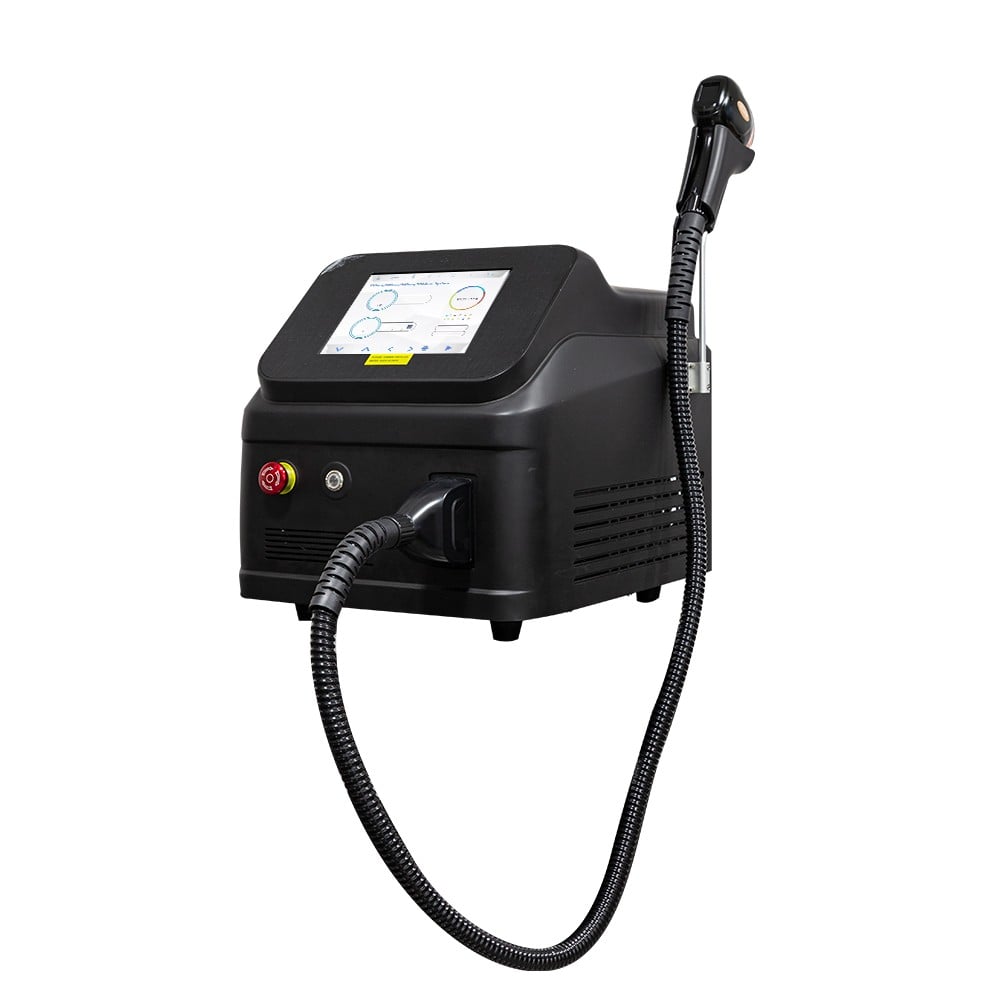
The practical solution is a repeatable review: map where results differ, check the hair removal laser delivery and settings, then compare the next session under controlled conditions. An 808nm diode laser may be selected for a treatment plan based on client and device guidance, while a professional hair removal device still requires trained operation and consistent technique. The sections below show how to diagnose the pattern, correct likely causes, and verify changes without making unsupported promises.
Record the locations of persistent growth rather than relying on a general impression. With a diode laser hair removal machine, missed strips, isolated patches, and broadly slower reduction suggest different causes. A hair removal laser treatment should be assessed against the same body map, lighting, and follow-up interval; this helps separate coverage gaps from natural variation. Note hair density, treatment date, and any client-reported changes.
Review whether the professional hair removal device was moved in a steady, overlapping pattern and whether the handpiece remained in full contact where required by its instructions. With an 808nm diode laser, compare the recorded treatment parameters by zone instead of assuming a uniform result means identical exposure. Inconsistent overlap can leave narrow areas untreated, while excessive overlap may create unnecessary exposure. Use the manufacturer’s operating guidance and clinic protocols when reviewing the record.
Hair does not respond uniformly at every point in a single visit because follicles can be in different growth phases. A diode laser hair removal machine may therefore appear to have produced uneven change even when coverage was consistent. Compare the timing of shedding and regrowth with the planned interval, and ask whether shaving, waxing, or other hair-removal methods changed between sessions. Record skin changes and medications for qualified clinical review.
Differences in hair color, thickness, and density also affect visible progress. Do not use an 808nm diode laser setting adjustment as a shortcut for explaining every patch; confirm that the client and area remain suitable under device instructions and professional protocols. A professional hair removal device should be used only by appropriately trained personnel, who can distinguish an expected response from a concern requiring assessment or referral.
Before changing energy or pulse parameters, compare the treatment log with the device protocol, client characteristics, and the previous response. A diode laser hair removal machine should be configured within its approved operating range; use the hair removal laser manual and clinical policy rather than copying settings from another client. Confirm the selected mode, displayed values, cooling function, and handpiece condition, then document any authorized change and its reason.
An 808nm diode laser platform does not remove the need for a patch test or other safeguards specified by its instructions. Check that the professional hair removal device starts normally, the display is legible, and contact surfaces are clean and intact. If output seems irregular, cooling is not functioning as expected, or a fault appears, pause treatment and follow service procedures. Do not compensate for suspected equipment problems by increasing settings.
Create a consistent path across each zone, using the technique specified for the handpiece and treatment mode. For a diode laser hair removal machine, steady movement and deliberate coverage help reduce untreated gaps. Keep the hair removal laser handpiece angle and contact consistent, and avoid rushed passes or improvised overlap. Divide larger areas into manageable sections so the operator can track where each pass begins and ends.
A second trained observer can help identify changes in pace or coverage during routine quality review. The 808nm diode laser treatment record should capture area, protocol, and operator observations, while the professional hair removal device should be checked according to its maintenance schedule. Standardizing these steps makes session comparisons more useful and reduces the chance that several technique changes obscure the source of uneven results.
Change one variable at a time when a qualified practitioner determines an adjustment is appropriate. Record the rationale, zone, setting, technique, and any immediate skin response for the diode laser hair removal machine. Compare photographs only when consent, privacy controls, lighting, framing, and timing are consistent. A hair removal laser result should be judged over an appropriate treatment interval, not from a short-term impression after one visit.
For each follow-up, compare the same landmarks and ask the client about shedding, regrowth, and relevant changes in routine. An 808nm diode laser plan may need reassessment if the pattern persists, but the response should remain within device guidance and professional scope. Avoid promising a particular outcome or extending treatment simply to make a map look uniform; document uncertainty and explain the next review point clearly.
If unevenness continues despite consistent coverage and documented settings, review the full treatment history with an appropriately qualified clinician. A diode laser hair removal machine should not be used to test unsupported parameter combinations. Check the hair removal laser service record, handpiece condition, and calibration or maintenance requirements, and contact qualified technical support through the applicable service process if equipment performance is in doubt.
Stop and seek appropriate clinical assessment for unexpected skin reactions or concerns outside the operator’s scope. A professional hair removal device is one part of a controlled service, not a substitute for screening, informed consent, or aftercare. Clear records help determine whether the next step is a protocol review, maintenance check, revised schedule, or referral, while keeping decisions grounded in observable evidence.
Follicles cycle at different times, and density or hair characteristics can vary across a zone. A diode laser hair removal machine may also leave apparent gaps if coverage or overlap was inconsistent. Compare the treatment map and follow-up at the planned interval before concluding that a hair removal laser has failed.
Not without an appropriately qualified practitioner reviewing the client, device instructions, prior response, and treatment record. An 808nm diode laser must be operated within its approved guidance, and changes should be documented. Do not increase energy to compensate for possible contact, coverage, or equipment issues.
Arrange a check if output, cooling, display behavior, or handpiece condition seems abnormal, or if an uneven pattern persists despite standardized technique. Follow the professional hair removal device maintenance instructions and pause use when a fault is suspected. Records from the diode laser hair removal machine and hair removal laser sessions can support a focused review.

