

 EN

how-to-maintain-cryolipolysis-devices-for-stable-cooling-output, how-to-maintain-cryolipolysis-devices-for-stable-cooling-output, /blog
EN
Stable cooling from a cryolipolysis system depends on routine checks, clean airflow, sound applicators, and prompt response to changing readings. A well-maintained cryolipolysis machine helps operators follow the intended treatment protocol, while a fat freezing device that is poorly maintained may show alarms, inconsistent temperatures, or interruptions that affect scheduling and patient experience.
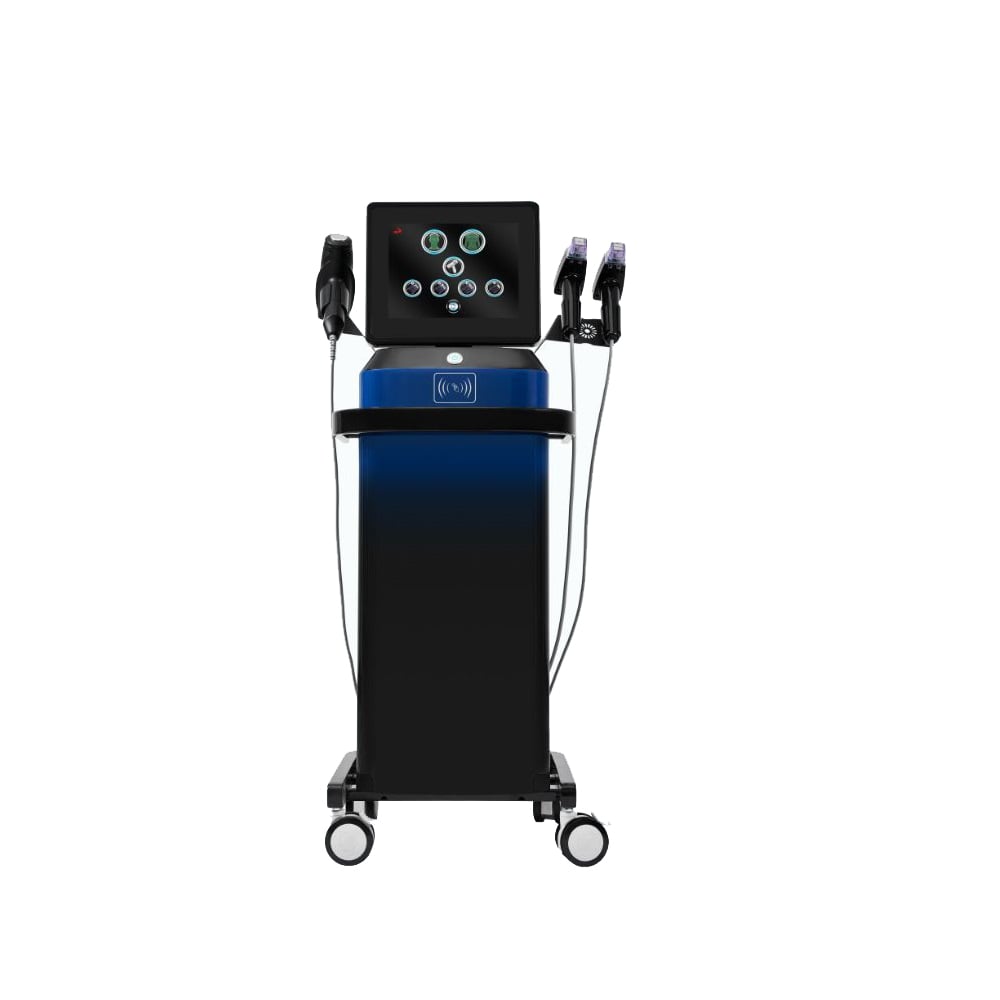
Maintenance is a repeatable operating process, not a repair task reserved for breakdowns. Whether a clinic uses body contouring equipment every day or only on scheduled treatment days, staff should use the manufacturer’s instructions as the authority for cleaning, start-up, shutdown, and service intervals. Consistent care supports reliable cryolipolysis treatment without encouraging unapproved adjustments to cooling settings.
Start with a visual and functional review before booking the first client. Confirm that the cryolipolysis machine has no visible damage, loose connections, fluid leakage, or active warning messages, and verify that its display and controls respond normally. A fat freezing device should complete its prescribed start-up sequence before an applicator is placed into service.
Record the room conditions and the device’s displayed status when the manufacturer calls for those checks. Body contouring equipment can be affected by restricted ventilation or an unsuitable operating environment, so keep required clearances around vents and avoid placing supplies against the housing. Follow the specified warm-up or readiness procedure rather than assuming the unit is prepared because its screen is on.
Dust and blocked vents can impede heat exchange and contribute to inconsistent operation. Inspect accessible air inlets and outlets on the schedule stated in the manual, then clean them using only approved methods. Do not push tools into openings or remove covers to reach internal parts; a cryolipolysis machine may require qualified service for internal cleaning.
Wipe exterior surfaces between sessions with a compatible product and a lint-free cloth, observing required contact time and drying instructions. A fat freezing device must not be sprayed directly unless its instructions explicitly allow it, because liquid can enter controls or connectors. Keep the treatment area orderly so dust, drips, and cleaning residue do not collect near the equipment.
Before use, examine applicator surfaces for cracks, deformation, residue, or other changes that could affect contact or cleaning. Check cables for cuts, kinks, and strain at the connection points, and make sure connectors seat securely. Body contouring equipment should be taken out of use if an inspection reveals damage that the operator cannot safely resolve under the manual.
Clean and disinfect reusable components according to their material and the device instructions. Avoid abrasive pads, unapproved solvents, and excessive bending of cables. For cryolipolysis treatment, prepare membranes, barriers, or other single-use items exactly as directed; maintenance does not replace the required preparation and handling steps for each session.
Compare displayed readings with the device’s normal operating guidance and watch for repeated fluctuations, unusually slow readiness, or alarms that return after an approved restart. A fat freezing device should not be kept in clinical use simply because it still powers on. Note the time, displayed message, selected applicator, and conditions when the issue occurred.
Do not compensate for unstable readings by changing treatment parameters beyond the authorized protocol. If the cryolipolysis machine indicates a fault, follow its shutdown and escalation instructions, label it unavailable when appropriate, and contact qualified service personnel. These steps protect the integrity of cryolipolysis treatment and prevent staff from mistaking an unresolved fault for a routine variation.
Follow the maintenance intervals set by the manufacturer, including any checks that require trained technicians. Body contouring equipment may have service tasks that are not visible during daily inspection, and opening sealed sections can create safety or warranty concerns. Keep service appointments current, and ask for documentation describing completed work and any parts or settings addressed.
Define who can perform routine cleaning, who may complete approved checks, and who must be called for faults. Staff should know how to stop a session safely and where to record a warning. A cryolipolysis machine with recurring alarms or abnormal cooling should return to use only after the issue is assessed and the required release process is complete.
A practical log should capture the date, operator, cleaning and inspection completion, unusual readings, alarms, downtime, and service actions. For a fat freezing device, linking an observation to the applicator and operating conditions can help qualified technicians identify patterns. Keep records factual; note what appeared on the display rather than guessing at a cause.
Review logs periodically for recurring issues, missed checks, or deterioration between service visits. When the same warning appears across shifts, escalate it instead of treating each occurrence as isolated. Good documentation helps a clinic plan availability, maintain body contouring equipment responsibly, and provide a clear history when arranging technical support.
Perform operator checks at the frequency stated in the manual, commonly before operation and after use where required. A cryolipolysis machine also needs manufacturer-directed periodic service. The correct schedule depends on the model, use pattern, and documented requirements.
Only if the manufacturer specifically authorizes that task and the staff member has the required training. For most faults or internal maintenance on a fat freezing device, stop use and arrange qualified service rather than opening the housing.
Pause use, record the displayed status and conditions, and follow the approved troubleshooting steps. Do not alter settings to force a result. Keep body contouring equipment out of service until it is cleared, and resume cryolipolysis treatment only under the applicable instructions.

