

 EN

how-to-maintain-endolaser-fibers-for-predictable-laser-delivery, how-to-maintain-endolaser-fibers-for-predictable-laser-delivery, /blog
EN
Maintaining endolaser fibers is critical to ensuring reliable and predictable laser delivery in clinical and surgical settings. An endolaser system depends entirely on the integrity of its optical fibers, which transmit laser energy to target tissues with precision. When endolaser fibers degrade or accumulate debris, laser output becomes inconsistent, treatment outcomes suffer, and equipment downtime increases. Understanding maintenance protocols keeps your minimally invasive laser device operating at peak efficiency and protects your investment in advanced surgical technology.
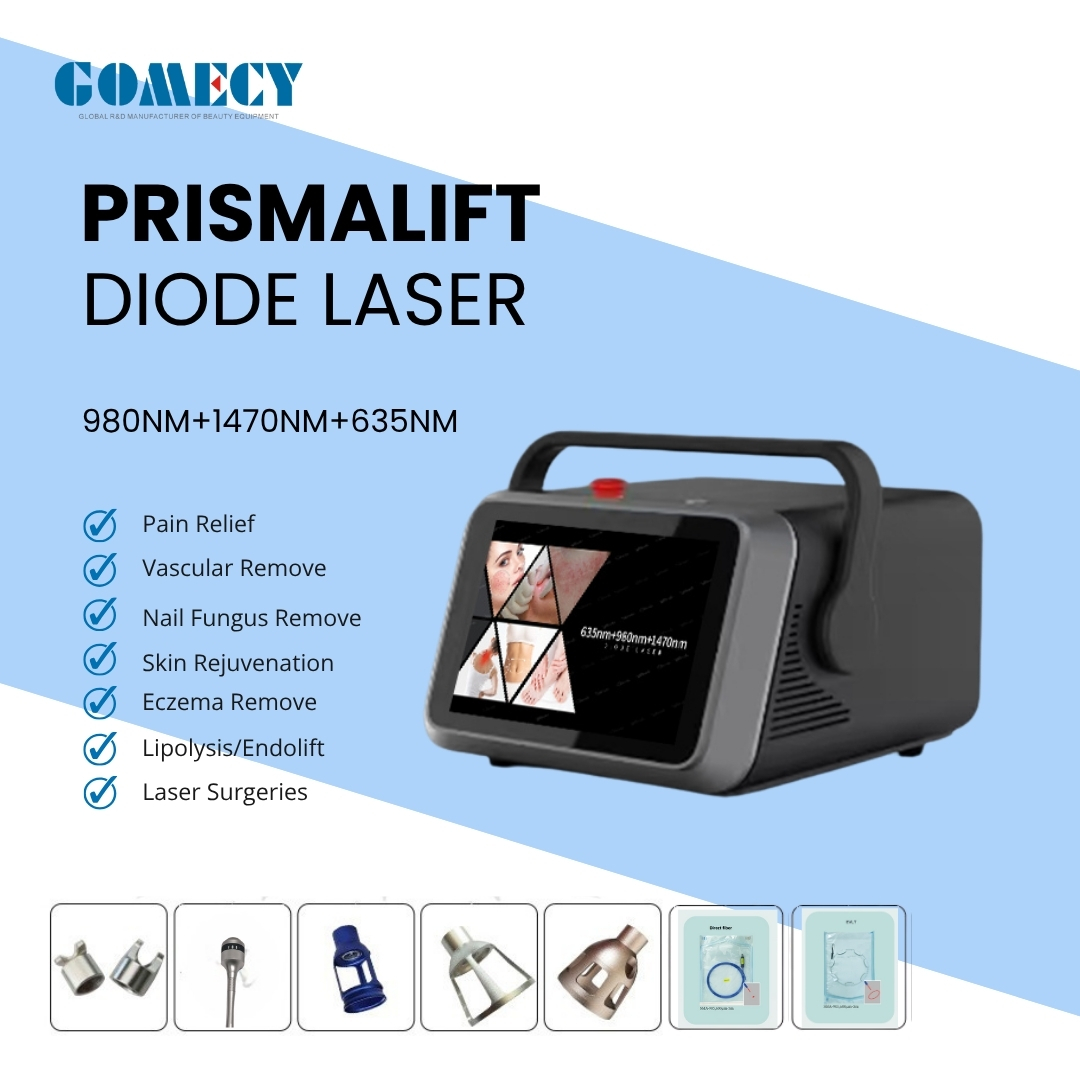
Endolaser treatment systems rely on delicate optical pathways where even minor contamination can compromise performance. Laser lipolysis fiber quality directly affects energy transmission, beam uniformity, and tissue interaction consistency. Regular inspection, proper storage, and systematic cleaning protocols prevent premature fiber failure and extend equipment lifespan. This guide walks through practical maintenance strategies that minimize complications, reduce service costs, and keep your minimally invasive laser device delivering predictable clinical results.
Endolaser fibers degrade through multiple pathways during routine clinical use. Thermal stress from repeated high-power laser pulses gradually weakens the fiber core and cladding materials. Mechanical stress from bending, twisting, or tension during insertion and withdrawal accelerates microfractures within the laser lipolysis fiber structure. Contamination from tissue residue, blood, saline solutions, and ambient particles deposits on the fiber tip and along the transmission path, scattering laser energy and reducing treatment efficacy. Moisture absorption and chemical degradation from sterilization cycles, especially high-temperature autoclave exposure, compromise material properties over time. Understanding these failure modes helps clinicians recognize early warning signs and intervene before complete fiber failure occurs.
Detecting fiber problems early prevents patient complications and equipment downtime. Visual inspection reveals cloudiness, discoloration, or visible cracks in the laser lipolysis fiber tip. Power output measurement shows declining energy delivery even with identical laser settings, indicating partial transmission loss within the minimally invasive laser device. Beam profile changes reveal uneven or asymmetrical energy distribution. Increased patient feedback about reduced sensation or delayed tissue response during endolaser treatment suggests compromised fiber function. Treating personnel may notice increased charring, incomplete ablation, or inconsistent tissue response patterns that differ from baseline performance.
Cleaning endolaser fibers immediately after use prevents debris from hardening on the optical surface. Allow fibers to cool to room temperature before handling to prevent thermal shock and material warping. Use sterile, lint-free microfiber cloths slightly dampened with distilled water or saline solution to gently wipe the fiber tip and proximal sections. Avoid aggressive scrubbing that may scratch the protective cladding. For stubborn tissue residue, use recommended enzymatic cleaning solutions designed for optical fiber compatibility, following manufacturer specifications carefully. Rinse thoroughly with sterile distilled water to remove all cleaning agent residue that could interfere with subsequent laser delivery or sterilization processes. Air-dry completely before storage or sterilization to prevent water spots and corrosion.
Systematic inspection after cleaning ensures fiber integrity before the next procedure. Examine the entire laser lipolysis fiber length under magnification, looking for dust, deposits, microfractures, or discoloration. Check the fiber tip using a specialized endolaser inspection microscope or high-magnification handheld viewer. Test power output using the minimally invasive laser device calibration setting to confirm energy delivery matches baseline measurements. Document findings in maintenance logs with specific observations, repair actions, and power measurements. If output drops more than five percent below baseline, or if visible damage is detected, remove the fiber from service and schedule professional repair or replacement immediately.
Environmental conditions during storage significantly impact endolaser fiber lifespan. Store fibers in dedicated protective cases or sheathing that prevents mechanical stress, UV exposure, and temperature fluctuations. Maintain storage temperature between sixty-five and seventy-five degrees Fahrenheit to prevent material brittleness or warping. Keep humidity levels between forty and sixty percent to avoid moisture accumulation or desiccation. Store fibers vertically or loosely coiled on large-diameter spools—never store them tightly wound or in kinked configurations that create permanent stress points. Keep endolaser treatment fibers segregated from non-medical equipment and away from chemical vapors, solvents, or corrosive compounds. Implement a rotation system using oldest fibers first to monitor age-related degradation and identify batch-specific weaknesses affecting laser lipolysis fiber performance.
Sterilization cycles must balance contamination elimination with material preservation. High-temperature steam autoclaving remains the primary sterilization method but requires careful parameter control—exposing endolaser fibers to excessive heat above recommended manufacturer specifications accelerates degradation of the laser lipolysis fiber core. Use gentle sterilization cycles at the lowest effective temperature and pressure settings. Allow fibers to cool gradually inside the sterilization chamber before removal to prevent thermal shock and microscopic cracks. Ethylene oxide gas sterilization provides a gentler alternative for sensitive fiber materials, though longer processing times and aeration periods extend turnaround. Document all sterilization events with cycle parameters in equipment maintenance records. After sterilization, allow adequate aeration time before returning fibers to clinical use, especially with chemical sterilization methods that leave residues affecting minimally invasive laser device performance.
When endolaser systems underperform, systematic diagnosis prevents unnecessary fiber replacement and identifies correctable issues. Compare current power output measurements against baseline readings established during initial equipment qualification or after verified fiber replacement. If output loss is minor—less than ten percent—cleaning, inspection, and realignment of the fiber coupling within the minimally invasive laser device often restore performance. Verify laser source function independently to confirm the fiber itself is the problem rather than the laser unit. Check fiber alignment within the handpiece or probe assembly; misalignment creates coupling losses mimicking fiber degradation. Test power delivery over multiple firing sequences; fluctuating output suggests connection issues rather than fiber damage. If systematic troubleshooting consistently reveals output loss greater than fifteen percent despite proper alignment and cleaning, endolaser fiber replacement becomes necessary to restore laser lipolysis treatment predictability.
Implementing structured preventive maintenance programs reduces emergency repairs and equipment downtime significantly. Establish quarterly power output verification routines to track fiber performance trends and detect gradual degradation before complete failure. Rotate through your inventory of endolaser fibers systematically, ensuring even usage distribution rather than relying on single high-performing fibers until failure. Maintain detailed maintenance logs documenting inspection dates, power measurements, cleaning actions, and sterilization cycles for each fiber. Schedule professional recertification and recoupling procedures annually to ensure minimally invasive laser device delivery consistency. Train all clinical staff on proper handling, cleaning, and storage techniques to reduce accidental damage from improper technique. Partner with equipment manufacturers for preventive service programs that include professional cleaning, inspection, and fiber quality assessment on scheduled intervals, extending overall system lifespan and maintaining laser lipolysis fiber performance reliability.
Endolaser fiber replacement frequency depends on usage volume, maintenance compliance, and observed performance degradation. With proper daily maintenance and quarterly inspections, clinical-grade endolaser fibers typically function reliably for twelve to twenty-four months of regular use. However, high-volume surgical centers with multiple daily procedures may need replacement every six to twelve months. Fibers that show consistent power loss exceeding fifteen percent, visible damage, or persistent contamination despite thorough cleaning should be replaced immediately, regardless of age. Minimally invasive laser device performance and patient safety take priority over cost savings from extended fiber usage.
The best cleaning approach for laser lipolysis fiber maintenance depends on contaminant type and fiber material composition. Distilled water with lint-free microfiber cloths removes most tissue residue and daily debris effectively. For stubborn charring or protein accumulation, manufacturer-approved enzymatic cleaners designed for optical fiber materials safely dissolve biological deposits without scratching the cladding. Avoid harsh abrasives, alcohol-based solvents, and acetone, which can damage the endolaser fiber coating and compromise optical transmission. Always consult your minimally invasive laser device manual for recommended cleaning agents, as fiber-specific composition may require particular solutions for safe, effective maintenance without degrading material properties.
Visible cracks in endolaser fibers indicate structural compromise that cannot be reliably repaired through field-level techniques. Even small cracks propagate during use, potentially fragmenting and releasing optical material debris into the minimally invasive laser device system. Attempting to use a cracked laser lipolysis fiber risks incomplete treatments, unpredictable energy delivery, and potential equipment contamination affecting future procedures. Professional fiber recoupling services can sometimes repolish the fiber tip if only surface damage is present, but internal fractures require complete endolaser fiber replacement. For patient safety and treatment predictability, any visibly damaged endolaser fibers should be immediately removed from service and either sent to authorized repair centers for professional assessment or replaced with new units.

