

 EN

how-to-maintain-focused-shockwave-applicators-for-stable-results, how-to-maintain-focused-shockwave-applicators-for-stable-results, /blog
EN
Maintaining focused shockwave applicators means protecting the treatment head, checking connections, following cleaning instructions, and recognizing changes before they disrupt a clinical session. For teams delivering focused shockwave therapy, a repeatable care routine supports consistent operation and helps staff distinguish routine wear from a problem that needs technical attention.
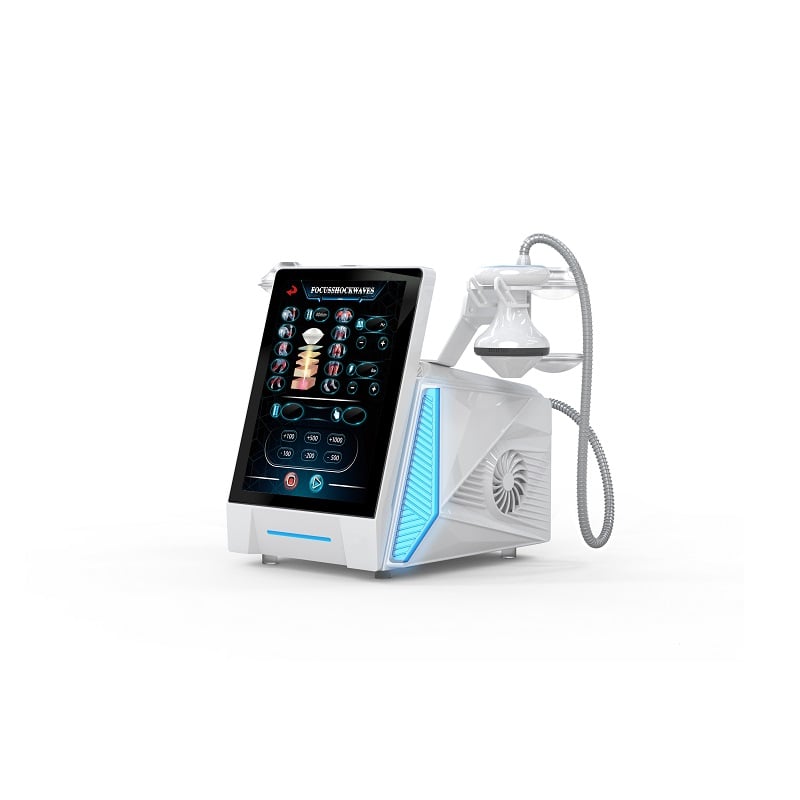
The goal is not to alter the applicator or compensate for a fault at the point of care. Instead, establish practical checks before and after use, handle the assembly as the manufacturer specifies, and record concerns clearly. These habits matter in orthopedic rehabilitation, where different clinicians may share equipment and need a dependable handover.
Start with the cleaning method and approved materials in the equipment instructions. Focused shockwave therapy applicators may include surfaces, seals, or interfaces that are not suited to every disinfectant or cleaning process. Staff should avoid immersing components or applying liquid near openings unless the manual explicitly permits it. A focused shockwave device stays easier to inspect when residue is removed gently and the surface is dried as directed.
Make cleaning part of the session closeout rather than an occasional deep-clean task. In orthopedic rehabilitation, a shared schedule helps each user know whether the applicator has been prepared for the next appointment. For extracorporeal shockwave equipment, follow the specified contact time and storage guidance instead of improvising a faster method. Do not use abrasive pads, sharp tools, or unapproved solvents to remove stubborn marks.
Before treatment, examine the applicator head for visible cracks, chips, unusual wear, residue, or a loose interface. Check the cable and connector for kinks, damaged insulation, bent contacts, or strain where the cable enters the housing. A focused shockwave device should be removed from use when visible damage or an abnormal connection raises a safety or reliability concern; do not tape, bend, or repair components as a workaround.
A quick visual check after use can reveal changes that were hard to notice during a busy clinic schedule. Staff providing focused shockwave therapy should report recurring marks, intermittent connection, or a change in handling feel through the clinic’s service process. Record what was observed and when, rather than guessing at the cause. This is especially useful in orthopedic rehabilitation settings where several users may handle the same equipment.
Use the device settings, treatment interfaces, and preparation steps specified for the particular system. Focused shockwave therapy depends on correct setup and clinical judgment, not on increasing output to offset an applicator that seems inconsistent. If the display, connection, or treatment response differs from normal expectations, pause and follow the troubleshooting instructions. Extracorporeal shockwave procedures should never continue simply because a session is already underway.
Before each session, confirm that accessories are correctly seated and that cables are routed without pulling or pinching. A focused shockwave device should rest on a stable surface when it is not being held, with the applicator protected from accidental knocks. In orthopedic rehabilitation, these small setup checks reduce avoidable handling errors when treatment rooms are turned over quickly. Staff should also use only compatible accessories identified for their equipment.
Carry the applicator by its intended grip or housing, not by the cable, and avoid dropping it onto a treatment table or hard floor. Repeated cable tension can stress connectors even when the outer covering still looks intact. When focused shockwave therapy equipment is moved between rooms, secure the applicator so it cannot strike other instruments. Keep the head away from edges, liquids, and direct sources of heat.
Store the assembly in the position and conditions specified in the manual, with cables loosely arranged rather than tightly wound around the handpiece. Extracorporeal shockwave equipment should not be stored with heavy objects pressing on its treatment head. A focused shockwave device that has been transported or stored unusually should receive a visual check before use. If there is suspected impact damage, follow the site’s inspection and service procedure before returning it to care.
Assign clear responsibility for the checks instead of assuming that the previous user completed them. A brief pre-use review can cover cleanliness, visible condition, connection security, and readiness according to the device instructions. For focused shockwave therapy, the clinician should also verify the intended configuration before beginning. This keeps a maintenance check distinct from clinical decisions about patient suitability and treatment parameters.
After treatment, clean and store the applicator correctly, then report any irregularity before the next appointment. In orthopedic rehabilitation, a consistent handover is valuable when clinicians rotate between rooms or shifts. Staff using extracorporeal shockwave systems should know whom to notify if a warning appears or operation seems different. The response should be to document and escalate, not to repeatedly restart equipment or test it on a patient.
A simple maintenance log can record the date, user or department, cleaning completion, visible concerns, and actions taken. Include service dates and any instructions received from qualified technical support. A focused shockwave device with a recurring fault pattern is easier to assess when records distinguish one-off observations from repeated events. Keep entries factual, concise, and accessible to the staff responsible for equipment oversight.
Use the manufacturer’s maintenance schedule and service process for tasks beyond routine cleaning and inspection. Do not open the housing, adjust internal parts, or attempt repairs unless the instructions authorize the work and the person is qualified. For focused shockwave therapy teams, timely escalation protects the integrity of the equipment and clarifies when a unit can return to use. This disciplined approach also supports continuity across orthopedic rehabilitation appointments.
Perform a visual and connection check before use, then clean and inspect the applicator after each session as directed. Focused shockwave therapy equipment should also follow its scheduled maintenance requirements. Increase attention after transport, impact, or any unusual operation, and take damaged equipment out of service pending assessment.
No. Use only cleaning products and methods allowed by the equipment instructions, including any stated contact and drying times. Extracorporeal shockwave equipment can have materials or openings that require specific care. If guidance is unclear, ask the responsible technical contact before using a substitute product.
Escalate visible damage, loose or intermittent connections, warnings, or a persistent change in operation. Stop using the applicator when its condition raises concern, document the observation, and follow the approved service route. In orthopedic rehabilitation, clear handover prevents another clinician from unknowingly using equipment awaiting assessment.

