

 EN

how-to-maintain-pemf-devices-for-stable-magnetic-field-strength, how-to-maintain-pemf-devices-for-stable-magnetic-field-strength, /blog
EN
Maintaining a pemf therapy device is essential when consistent magnetic field output matters to daily treatment workflows. Stable performance depends on more than the control unit: applicators, cables, ventilation, settings, and handling all affect reliable operation. A planned routine helps staff identify changes early, reduce preventable interruptions, and know when a technical inspection is needed. These practices apply across clinical and professional settings using pulsed electromagnetic field therapy.
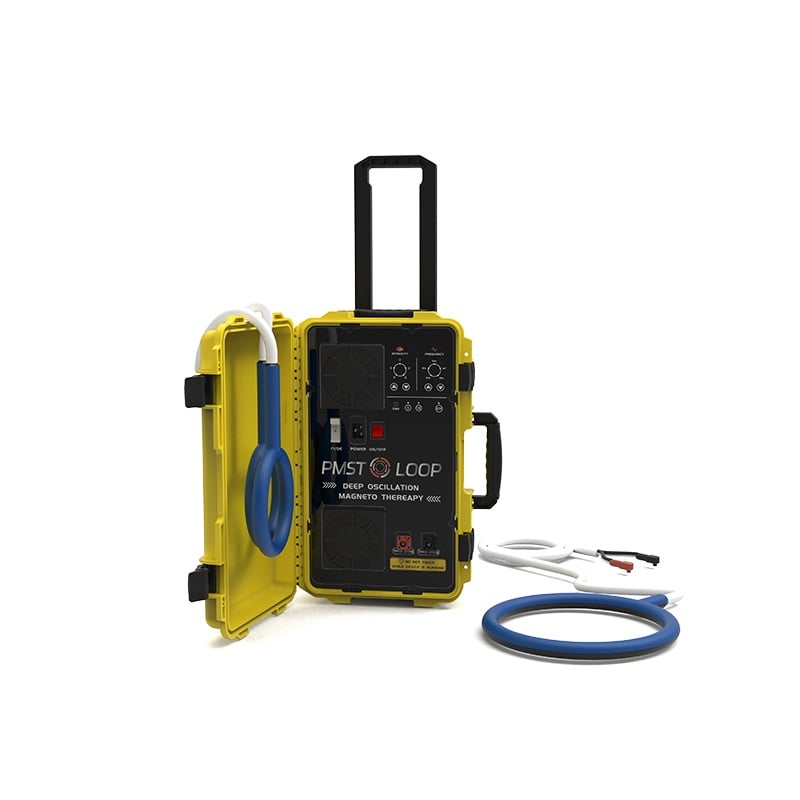
The goal is not to adjust output by guesswork, but to preserve the conditions under which the equipment is designed to operate and verify changes through suitable checks. This guide explains how to establish a baseline, protect components, and assess field stability over time. Whether a team uses pemf therapy equipment in a dedicated treatment room or a mobile service area, repeatable care and clear records make maintenance more useful.
Start by documenting the device model, serial details, applicator type, approved settings, and the date the system entered service. Record any available commissioning or inspection results as the reference point for later checks. A pemf therapy device should be used within the operating instructions, not beyond them to compensate for a perceived change. For pulsed electromagnetic field therapy, consistent setup gives staff a dependable basis for comparing routine observations.
Keep a simple service log that captures operating hours when available, cleaning, visible damage, error messages, and any authorized work. Note which applicator and cable were used when an issue appeared; that detail can distinguish a connection concern from a change in the control unit. Include checks for pemf therapy equipment in the same workflow used for other room-ready tasks, while keeping equipment-specific instructions available to staff.
Use the manufacturer’s maintenance instructions to set daily, periodic, and service-level checks. Before operation, staff can inspect the housing, connectors, cable routing, applicator surface, and ventilation openings. A recovery therapy device should also be checked after transport or a change of treatment room, since movement may loosen a connection or expose the system to dust. The routine should be brief enough to complete consistently and specific enough to flag concerns.
Define who performs each check and who can authorize the device to return to use after a fault. Routine operators can report unusual noise, visible wear, intermittent operation, or unexpected alerts, but should not open the enclosure unless the instructions explicitly permit it. Treat pulsed electromagnetic field therapy equipment as precision equipment: record what was observed, avoid informal repairs, and contact qualified service personnel when the cause is unclear.
Inspect the applicator for cracks, deformation, loose fittings, or damaged coverings, and examine cable insulation along its full length. Connect and disconnect by the connector body rather than pulling the cable. A pemf therapy device can show unstable operation if a connection is intermittent, so check that connectors are seated as directed before assuming that the magnetic field itself has changed. Keep cables free from sharp bends, pinching, and repeated strain.
Clean contact surfaces and external parts only with materials and methods approved for the specific system. Excess liquid, abrasive products, and unapproved solvents can damage finishes or enter openings, creating avoidable service issues. For pemf therapy equipment, use the specified cleaning process and allow surfaces to dry fully before use. A recovery therapy device should be stored with its accessories arranged to prevent pressure on the applicator and stress on cable joints.
Place the control unit on a stable, dry surface with the clearance required around vents. Dust buildup and blocked airflow can contribute to excess heat, so clean accessible external vents as directed and keep linens or supplies away from them. During pulsed electromagnetic field therapy, avoid placing the system where it may be struck, exposed to moisture, or subjected to frequent plug movement. Environmental consistency helps make routine observations more meaningful.
Follow the specified power requirements and avoid improvised adapters, overloaded outlets, or extension arrangements that are not approved. If staff observe repeated power interruptions, overheating, unusual odors, or a new alert, stop use and follow the documented escalation process. Environmental and power checks support stable service, but they do not replace a technical field measurement. Use only qualified personnel and approved test methods when performance needs formal verification.
When field verification is part of the maintenance plan, use the measurement method and schedule specified by the manufacturer or an authorized service provider. The test setup matters: probe position, orientation, distance, selected program, and applicator can affect readings. For a pemf therapy device, repeat the same documented conditions each time. A pulsed electromagnetic field therapy check is useful only when staff can compare like with like and understand the limits of the measurement.
Do not infer magnetic field strength from a treatment sensation, display value, or visual inspection alone. Displays may show selected settings rather than independently measured output. Record the test instrument and its calibration status when required, the configuration used, and the result. If a reading falls outside an authorized tolerance, remove the unit from service when instructed and arrange a qualified assessment rather than changing settings to force an apparent match.
A change in performance can come from a damaged cable, a worn applicator, an incorrect setup, environmental conditions, or a fault requiring service. Compare the current observation with the baseline and look for related signs, such as alerts or inconsistent operation. Keep pulsed electromagnetic field therapy logs factual: note the date, configuration, symptoms, and actions taken. This history helps technical staff diagnose a concern without relying on memory or guesswork.
After repair or inspection, record what work was completed and any verification performed before returning the system to routine use. Update the maintenance schedule if the service report recommends a change, and brief staff on any revised handling steps. A recovery therapy device should return to use only when the responsible person has followed applicable procedures and confirmed that required checks are complete. Close the loop by retaining records with the device history.
Follow the maintenance schedule in the device instructions and any applicable service guidance. Daily visual checks can support safe setup, while technical verification follows the prescribed interval or is arranged when performance concerns arise. A pemf therapy device should also be inspected after transport, damage, or repeated alerts. Document each check so staff can see whether a concern is new or recurring.
Cleaning does not directly calibrate output, but appropriate care can prevent dust, residue, or damaged connections from interfering with normal operation. Use only approved methods for pemf therapy equipment, and never let liquid enter the unit. If field stability remains in question after cleaning and setup checks, arrange measurement using the recommended process rather than assuming cleaning has resolved the issue.
Repeat the check using the same documented setup, confirm the instrument and configuration, and record the result. Stop using the system if instructions or local procedures require it, then refer the issue to qualified service personnel. A recovery therapy device should not be adjusted or opened by unauthorized staff. Preserve the logs and service history to support an accurate assessment.

