

 EN

how-to-maintain-shockwave-machines-used-in-shared-therapy-rooms, how-to-maintain-shockwave-machines-used-in-shared-therapy-rooms, /blog
EN
Maintaining a shockwave machine in a shared therapy room means making care repeatable, not relying on whoever used it last. A consistent routine helps staff keep the shockwave device clean, identify wear early, and leave the room ready for the next appointment. For physiotherapy shockwave services, clear ownership and documentation matter as much as the wipe-down itself.
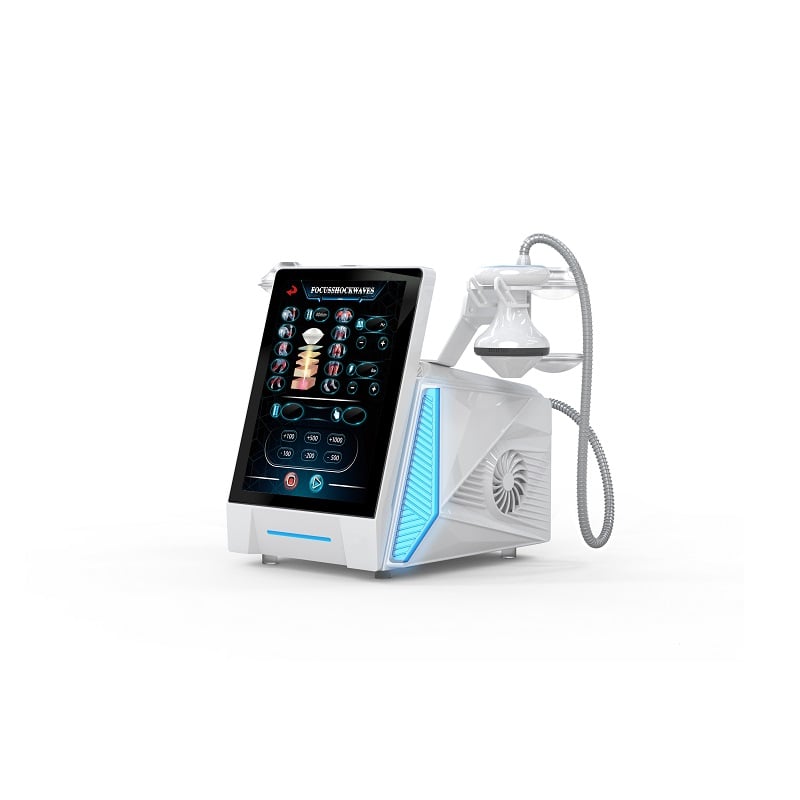
The practical approach is to build equipment care into room turnover, scheduled checks, and end-of-day storage. Treat the shockwave unit, its accessories, and its records as one system: a clean handpiece is not enough if a cable is damaged or the next operator cannot confirm the settings and service status. Assigning simple tasks to named roles helps the routine work across shifts.
Before treatment, check that the shockwave machine is on a stable surface with ventilation openings unobstructed. Inspect the shockwave device housing, display, controls, and visible cables for cracks, loose fittings, or unexpected wear. A quick visual check gives the operator a chance to pause and report a concern before the equipment enters a patient session.
Confirm that the shockwave unit has the accessories required for the planned procedure and that each item is clean and intact. For physiotherapy shockwave work, verify the treatment head and coupling materials against the device instructions rather than relying on memory. Keep liquids away from electrical connections, and use only approved supplies and methods for surfaces that contact staff or patients.
After each appointment, clean the shockwave machine’s external touchpoints using the method specified by its manufacturer. The shockwave device should be switched off or placed in the prescribed safe state before cleaning, especially around connectors and controls. Do not spray liquid directly onto the shockwave unit; apply an approved cleaner to a cloth when the instructions call for that method.
Handle the treatment head and other patient-contact accessories according to their material and reprocessing requirements. In physiotherapy shockwave rooms, shared equipment can move quickly between clinicians, so the cleaning step should have a clear place in the turnover workflow. Record exceptions, such as a missing accessory or a surface that needs further attention, before another appointment begins.
A daily visual review is useful, but it does not replace checks at the intervals described in the operating documentation. During a scheduled inspection, examine the shockwave machine for damaged casing, unusual noise, loose connections, and warning messages. Check the shockwave device cables and handpiece without pulling, bending, or opening components that staff are not authorized to service.
Log the inspection date, the person completing it, and any action taken for the shockwave unit. For physiotherapy shockwave equipment, these records help the team distinguish a recurring fault from a one-time observation and support appropriate service decisions. If the instructions specify a service interval or test, follow that schedule and retain the relevant documentation where room users can find it.
If the shockwave machine displays an unfamiliar warning or behaves differently, stop and follow the documented troubleshooting process. Do not keep treating simply because the shockwave device still powers on. A staff member should label or otherwise identify equipment that must not be used, notify the responsible lead, and record the symptoms without attempting an unauthorized repair.
The shockwave unit should return to service only after the concern is resolved through an approved process and the outcome is documented. For physiotherapy shockwave appointments, reception or clinical staff also need a practical contingency, such as rescheduling or moving the session to a suitable room. Clear escalation reduces confusion and prevents an unverified device from being passed to the next shift.
At the end of use, shut down the shockwave machine as directed and allow any required cooling period before storage. Position the shockwave device away from walkways, moisture, heat sources, and areas where carts or furniture may strike it. Arrange cables loosely, without tight coils or tension at the connectors, and place accessories in their designated clean, dry locations.
Store the shockwave unit in a way that protects the handpiece and prevents accessories from being misplaced between rooms. For physiotherapy shockwave services with shared schedules, labeled storage positions make it easier to see whether a component is missing before the next treatment. Avoid covering ventilation openings or stacking items on the equipment unless its instructions specifically permit that arrangement.
A useful handover states whether the shockwave machine is clean, complete, and ready for the next user, or explains why it is not. The shockwave device record should capture faults, cleaning exceptions, service dates, and accessories awaiting replacement or review. Keep notes factual and concise so another clinician can act without guessing what happened during the previous shift.
Assign responsibility for routine checks, while making every operator responsible for reporting changes to the shockwave unit. This balance prevents the assumption that equipment care belongs only to a manager or technician. In a physiotherapy shockwave room, a brief end-of-session check and a consistent handover create a dependable chain from one appointment to the next.
Clean external touchpoints and patient-contact accessories between patients, following the device instructions and your facility’s infection-control policy. Include the shockwave machine status in the room turnover check, and document any cleaning issue before the next session.
Stop using the equipment, identify it as unavailable, and report the concern through the facility’s approved process. Do not attempt an unauthorized repair. Record the observation so the responsible person can assess the shockwave unit and decide whether service is needed.
State whether the device is clean and ready, confirm that accessories are present, and note any faults or service actions. For physiotherapy shockwave sessions, a clear record helps the next operator begin with a verified setup rather than assumptions.

