

 EN

how-to-maintain-shockwave-therapy-machines-for-stable-output, how-to-maintain-shockwave-therapy-machines-for-stable-output, /blog
EN
Stable output depends on repeatable maintenance, not just the settings selected before treatment. A shockwave therapy machine should be checked, cleaned, and operated according to its manual so clinicians can identify changes before they disrupt a session. A consistent routine also helps distinguish equipment issues from variations in patient response or treatment technique.
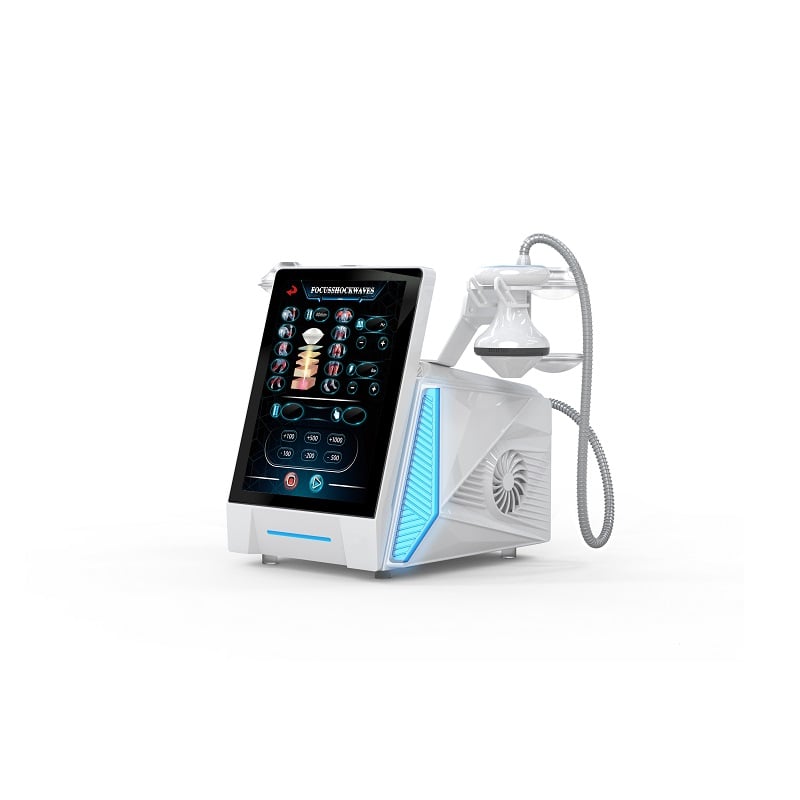
For clinics using extracorporeal shockwave therapy, maintenance should cover more than visible cleanliness. It includes a pre-use inspection, careful handling of the applicator, review of operating conditions, and a clear process for service escalation. These steps support predictable workflows for a radial shockwave device and help protect continuity in musculoskeletal therapy without replacing the manufacturer’s instructions.
Before the first appointment, examine the housing, power lead, connectors, display, and treatment handpiece for visible damage or looseness. Confirm that accessories are seated correctly and that ventilation openings are unobstructed. A shockwave therapy machine should start and complete its basic checks as described in the operating manual; do not use it if a warning, unusual sound, or unexpected interruption appears.
Review the planned settings and treatment head before patient contact, then confirm that the selected protocol fits the intended procedure. For extracorporeal shockwave therapy, this simple pause reduces avoidable setup errors and gives staff a chance to notice a change in normal operation. Record recurring warnings rather than repeatedly clearing them without investigation.
Keep the treatment area orderly and dry, with cables routed to avoid pulling or tripping. A radial shockwave device can be affected by rough handling even when the outer casing looks intact, so move it using the points specified by its documentation. Staff should know where to report a damaged connector or unstable display before the next patient is scheduled.
Clean external surfaces and patient-contact components using only methods and products permitted by the equipment instructions. Avoid spraying liquid directly into ports, seams, or ventilation areas, and never immerse components unless the manual explicitly allows it. A radial shockwave device needs a defined cleaning routine that staff can follow consistently between appointments.
Allow cleaned parts to dry as directed before storage or reuse, and inspect them again for residue or wear. In musculoskeletal therapy, frequent handling makes clear responsibility important: assign cleaning and visual checks to trained staff, then document exceptions. This protects the shockwave therapy machine from inappropriate chemicals while supporting hygienic clinical practice.
Store accessories in a protected, dry location rather than leaving them under tension or where they may be struck. For extracorporeal shockwave therapy, careful storage helps preserve connector condition and reduces delays caused by missing or damaged components. Follow the manual for temperature, ventilation, and shutdown requirements instead of assuming that general storage habits are sufficient.
Once a week, review whether the device starts reliably, responds to control inputs, and completes treatment cycles without unexplained interruptions. Compare observations with the normal operating behavior described in the manual; avoid judging output by sound alone. A shockwave therapy machine may need qualified assessment when a warning repeats or performance appears inconsistent.
Check that saved protocols, units, and display values remain appropriate for the clinic’s workflow, and confirm that staff understand how to verify selections before treatment. In extracorporeal shockwave therapy, a review of settings is an operational safeguard, not permission to alter clinical protocols without authorization. A radial shockwave device should be used within its stated operating range.
Look for patterns in downtime, error messages, and staff reports. When musculoskeletal therapy sessions are interrupted, note the time, selected settings, accessory in use, and circumstances rather than relying on memory. The shockwave therapy machine can then be assessed with useful context, helping technical support separate a recurring fault from a one-off setup issue.
Inspect the applicator, treatment head, coupling surfaces, and cable connections for wear, cracks, looseness, or unusual heat. Replace or service components only as directed; improvised repairs can create safety and output concerns. During extracorporeal shockwave therapy, use the specified accessories and confirm they are compatible with the system.
Track component use if the manufacturer sets service intervals or replacement criteria. In musculoskeletal therapy, an applicator that feels different or shows visible damage should be removed from use until it has been checked. A shockwave therapy machine should not be kept in rotation simply because it still powers on.
Keep handpieces from impact, twisting, and unnecessary cable strain, especially during room turnover. A radial shockwave device relies on the condition of its treatment components as well as its console, so handling standards should be part of staff onboarding. Report any change in fit, response, or connection behavior promptly.
Maintain a service log with installation details, routine inspection dates, cleaning exceptions, warnings, repairs, and component changes. For a shockwave therapy machine, useful records make it easier to identify gradual changes and demonstrate that checks are being completed. Keep the log accessible to authorized staff while protecting patient information from unnecessary inclusion.
Follow the manufacturer’s schedule for calibration, preventive service, and functional testing, using qualified personnel where required. Do not create an unofficial adjustment routine to compensate for perceived changes. With extracorporeal shockwave therapy, documented service helps ensure that clinical teams know when equipment is cleared for use and when it must remain out of service.
Escalate repeated alarms, damaged cables, irregular cycling, or unexplained output changes through the designated technical support route. Include the circumstances and steps already taken, but do not open the enclosure or bypass a safety feature. This measured response helps protect staff and patients while avoiding further damage to a radial shockwave device.
A clinic with frequent appointments may need tighter internal oversight of cleaning, handpiece handling, and consumable tracking, even when formal service intervals remain unchanged. Assign responsibility by shift so checks are not assumed to be someone else’s task. The shockwave therapy machine should have a known status before it is booked for clinical use.
When treatment volume rises, review whether staff have enough time for setup checks and whether accessories are stored where they can be inspected. In musculoskeletal therapy, consistent routines support smoother room turnover without encouraging rushed shortcuts. A radial shockwave device should be taken out of circulation when its condition is uncertain, then returned only after the concern is resolved.
Revisit the maintenance process after a service event, recurring setup mistake, or change in clinic workflow. Use the equipment manual as the authority and update staff training when procedures change. For extracorporeal shockwave therapy, this feedback loop keeps daily practice aligned with the actual device and its documented requirements.
Complete a brief visual and operational check before use, then follow the manual’s schedule for deeper inspection and professional service. For extracorporeal shockwave therapy, record any warning or change in behavior as soon as it occurs rather than waiting for a scheduled review.
Yes, when they follow the cleaning method and products approved in the device instructions. In musculoskeletal therapy, trained staff should check the contact surface for residue or damage and ensure it is dry before use.
Pause use if the change is unexplained, document the settings and conditions, and contact qualified service support. Do not compensate by changing clinical settings without authorization; check the radial shockwave device and accessories according to the manual before returning the system to service.

