

 EN

how-to-manage-pain-during-fractional-co2-treatment-sessions, how-to-manage-pain-during-fractional-co2-treatment-sessions, /blog
EN
Pain management during fractional co2 laser treatment remains one of the most critical considerations for practitioners and patients seeking skin remodeling laser results. The intensity of discomfort varies based on treatment intensity, skin sensitivity, and individual pain tolerance, but strategic pain management approaches can significantly improve the patient experience and treatment outcomes. Understanding the mechanisms behind this discomfort and implementing evidence-based mitigation strategies transforms fractional laser treatment into a manageable procedure that delivers superior skin rejuvenation without unnecessary suffering.
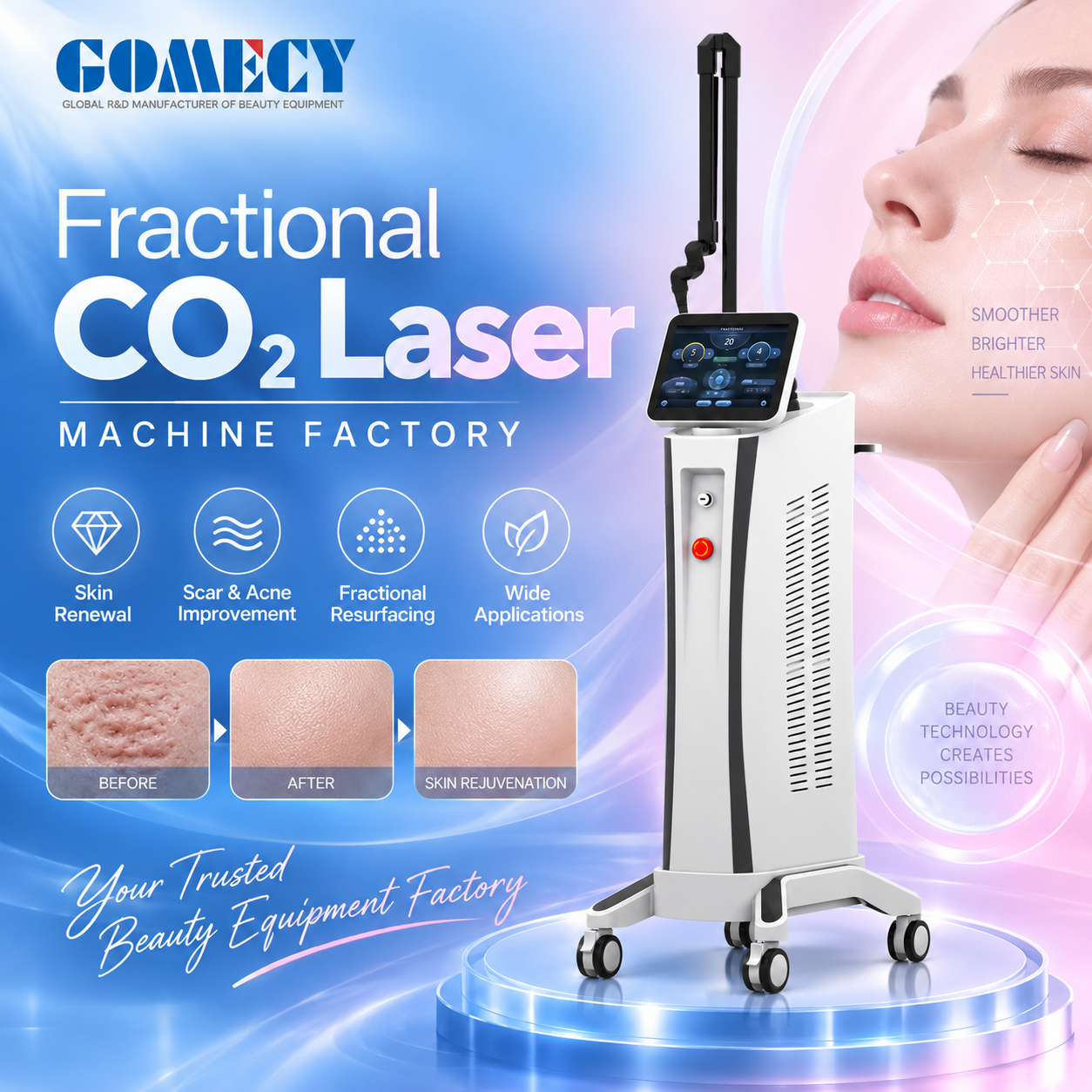
During co2 fractional resurfacing procedures, patients experience heat and controlled micro-injuries that trigger collagen remodeling and tissue renewal. The sensation arises from thermal energy interacting with nerve endings in the dermal layer, creating sharp, prickling sensations that intensify with treatment coverage and power settings. Proper pain management protocols not only enhance patient comfort but also improve compliance, reduce treatment abandonment, and enable practitioners to deliver optimal clinical parameters without interruption.
Topical numbing agents serve as the foundation for fractional laser treatment pain control. Practitioners typically apply lidocaine-based creams, prilocaine formulations, or combination anesthetics thirty to sixty minutes before the fractional laser treatment begins, allowing sufficient penetration through the stratum corneum. The application depth and duration directly influence anesthetic efficacy, with occlusive dressings or plastic wrap increasing penetration depth by up to fifty percent. Multiple applications layered at intervals provide superior numbness compared to single applications, particularly for extended treatment areas or sensitive facial zones.
Oral pain management medications taken thirty to sixty minutes before co2 fractional resurfacing procedures reduce both pain perception and treatment-related anxiety. Ibuprofen, acetaminophen, or combination analgesics lower baseline pain sensitivity, while mild anxiolytics help patients remain calm and cooperative throughout fractional laser treatment sessions. Pre-treatment counseling emphasizing the temporary nature of sensations and expected relief milestones significantly impacts perceived pain intensity, creating a psychological foundation that enhances pharmaceutical interventions.
Real-time cooling technology represents a transformative advancement in skin remodeling laser pain management during active treatment. Modern fractional co2 laser systems incorporate integrated sapphire cooling tips, cryogenic air delivery, or water-circulating handpieces that simultaneously reduce surface temperature while the laser pulse delivers controlled ablation. Cooling delays thermal sensation transmission to pain receptors while maintaining therapeutic energy delivery, allowing practitioners to maintain optimal treatment parameters. Many patients report that effective cooling transforms the sensation from sharp pain into manageable warmth or mild tingling, dramatically improving tolerance for extended fractional laser treatment sessions.
Practitioners optimize patient comfort by structuring fractional laser treatment sequences to allow micro-recovery intervals between passes. Starting with lower settings and progressively increasing parameters permits nerve endings to adapt, while varying treatment zones distributes thermal accumulation. Brief cooling breaks every five to ten minutes enable surface temperature normalization and provide psychological reassurance. This methodical pacing approach during co2 fractional resurfacing proves particularly valuable for anxious patients or those with lower pain thresholds, transforming what might otherwise be an overwhelming experience into a series of manageable increments.
The post-treatment phase requires sustained pain management since fractional laser treatment discomfort often peaks two to six hours after the procedure concludes. Ice masks, cool compresses applied at regular intervals, and prescription-strength topical anesthetics provide immediate relief during this critical window. Anti-inflammatory medications taken immediately after skin remodeling laser treatment reduce both pain and edema, addressing both comfort and healing factors simultaneously. Many practitioners provide take-home cooling masks or recommend specific aftercare protocols that patients can deploy independently, extending professional pain management support into the home recovery environment.
Proper wound management during the fractional laser treatment recovery period significantly influences pain trajectory. Occlusive ointments, antibiotic creams, and hydrating serums maintain optimal moisture levels that accelerate re-epithelialization while reducing nerve irritation. Patients should avoid harsh cleansing, friction, or environmental irritants that reactivate pain responses during the sensitive healing window. Pain typically diminishes substantially within twenty-four to forty-eight hours following co2 fractional resurfacing as cellular repair mechanisms activate, though residual sensitivity may persist for several days depending on treatment intensity and individual healing rates.
Topical numbing agents remain the standard first-line approach for most fractional laser treatment procedures, particularly when combined with oral analgesics and advanced cooling systems. Stronger options including local anesthetic blocks or general anesthesia are reserved for extensive co2 fractional resurfacing procedures involving large facial zones or patients with severe anxiety. Practitioners should assess individual pain tolerance, treatment extent, and patient medical history to select the optimal anesthesia strategy for each fractional laser treatment session.
Sharp, intense pain usually subsides within two to four hours after completing skin remodeling laser treatment, though mild discomfort and sensitivity may continue for twenty-four to forty-eight hours. The timeline depends on treatment intensity, coverage area, and individual pain processing. Most patients manage residual discomfort with over-the-counter analgesics, cooling compresses, and prescribed topical anesthetics during the fractional co2 laser recovery period.
Yes, comprehensive pain management strategies enhance rather than compromise co2 fractional resurfacing outcomes. Effective anesthesia and cooling allow practitioners to deliver optimal energy parameters without patient interruption, while reducing treatment-related stress that could impair healing. Strategic pain control enables longer, more consistent fractional laser treatment sessions that produce superior skin remodeling laser results compared to rushed procedures limited by inadequate comfort management.

