

 EN

how-to-reduce-adverse-skin-reactions-after-ipl-treatment-work, how-to-reduce-adverse-skin-reactions-after-ipl-treatment-work, /blog
EN
Reducing adverse skin reactions after IPL treatment starts before the first pulse. An ipl machine delivers broad-spectrum light, so outcomes depend on matching settings to the client, treatment area, and indication. A careful process helps distinguish expected temporary redness from a reaction that needs clinical attention.
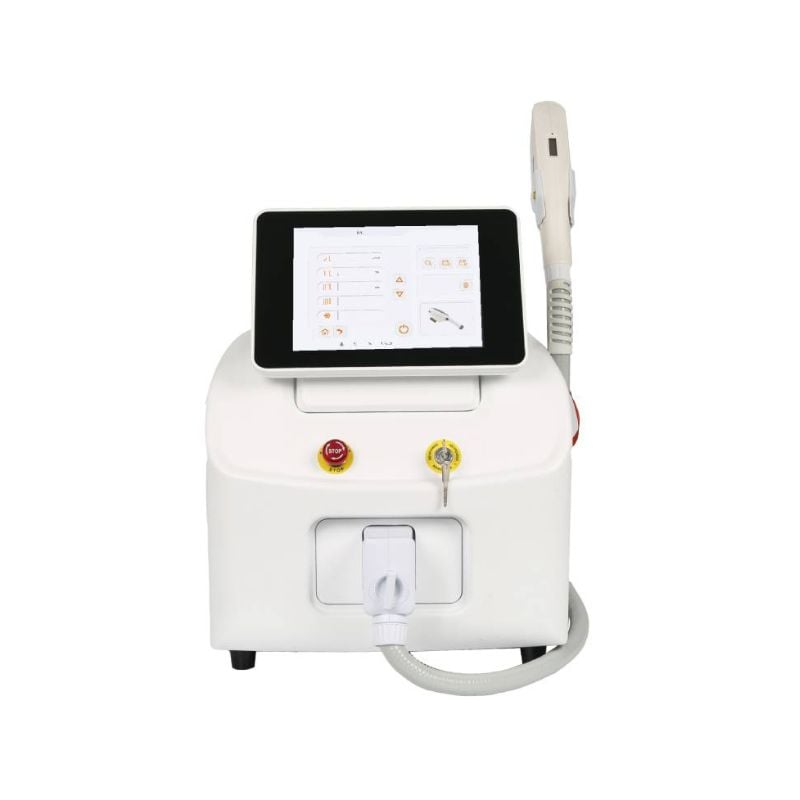
This guide focuses on practical steps for operators and clinic managers: screen consistently, prepare skin, use conservative settings, observe the response, and give clear aftercare instructions. Whether a clinic uses an intense pulsed light device for vascular concerns or a skin rejuvenation device for pigmentation, the same principle applies: individualize treatment instead of relying on a fixed protocol. Photorejuvenation equipment should be used within training, device instructions, and applicable clinical requirements.
A thorough consultation is the first control point. Ask about recent tanning or sun exposure, current and recent medicines, skincare actives, previous procedures, cold sores where relevant, and any history of unusual scarring or pigment changes. An intense pulsed light device can affect different skin tones differently, so assess skin type, current color, and the specific area rather than assuming the same settings suit every client. Record findings and postpone when risk cannot be assessed confidently.
Document the baseline with notes and, where appropriate, consistent photographs taken with consent. Check for irritation, broken skin, active infection, or a recent tan at the treatment site. Before using an ipl machine, confirm that the indication is appropriate and that the client understands likely temporary effects and warning signs. Photorejuvenation equipment is not a substitute for diagnosis; lesions that are changing, unexplained, or suspicious should be referred for qualified assessment.
Give clients practical preparation instructions well before their appointment. They should follow the treating professional’s advice on sun avoidance, self-tanner, hair removal, and topical products, since recent irritation can make the response less predictable. A skin rejuvenation device should be used on clean skin without products that interfere with contact or light delivery. Verify the treatment area and remove cosmetics or residue according to the device instructions.
Preparation also includes the room, operator, and equipment. Check the handpiece, filters, contact surface, cooling function, and protective eyewear before each session. For an intense pulsed light device, use only compatible consumables and follow the specified maintenance and calibration process. Confirm that the client and staff have suitable eye protection. A brief review of the treatment plan keeps photorejuvenation equipment use consistent, while allowing changes if the skin’s condition differs from the consultation.
Choose fluence, pulse structure, filter, and spot size according to the device guidance, treatment goal, skin assessment, and operator training. Do not copy settings from another client simply because the concern appears similar. An ipl machine requires a measured approach: begin within the recommended range and adjust only when the observed response and protocol support doing so. If uncertainty remains, stop and seek clinical guidance rather than increasing energy by guesswork.
Where the protocol calls for a test spot, perform it in a representative area and allow the specified observation period before treating broadly. Review the skin response before proceeding; excessive pain, marked swelling, blistering, or an unexpected color change are reasons to stop and reassess. A skin rejuvenation device should produce a response consistent with its intended use, not an automatic escalation in intensity. Keep notes on settings and response to inform safe follow-up.
Maintain even contact and the recommended angle, overlap, and pacing. Inconsistent placement can expose some areas more than once and leave others untreated, raising the chance of uneven irritation. An intense pulsed light device should be operated exactly as described in its instructions, including the use of contact cooling or other specified safeguards. Check in with the client during the session, especially when treating sensitive areas or when discomfort changes unexpectedly.
Pause to inspect the skin at sensible intervals instead of completing a treatment without reassessment. Mild, short-lived warmth or redness may occur, but the operator should know the expected endpoint for the specific protocol. With photorejuvenation equipment, avoid treating over areas that become unusually hot, sharply painful, or visibly compromised. Stop exposure if the reaction is concerning, provide appropriate immediate care, and document what happened, including the location and settings used.
After treatment, explain expected temporary effects in plain language and provide written instructions tailored to the procedure. Clients are generally advised to protect treated skin from sun exposure and follow the clinic’s guidance on gentle cleansing, cooling, and product use. A skin rejuvenation device session should not be followed by improvised home remedies or aggressive exfoliation. Tell clients which products or activities to avoid and for how long, based on the treatment protocol.
Set a clear contact route for questions and arrange follow-up when the treatment plan or response warrants it. Clients should promptly report worsening pain, blistering, significant swelling, signs of infection, or pigment changes that concern them. An ipl machine treatment record should include aftercare provided and any follow-up advice, supporting continuity if another team member responds. Photorejuvenation equipment users should also explain that individual recovery varies, and that clients must not repeat treatment prematurely.
Not every reaction can be prevented, and a safe service needs a response plan as well as prevention. If a reaction is outside the expected range, stop further sessions on the area until it has been assessed by an appropriately qualified professional. An intense pulsed light device operator should follow local escalation procedures, document the timeline, and avoid promising a particular recovery outcome. Prompt, factual communication helps clients seek appropriate care without delay.
Review incidents and near misses for patterns in screening, settings, technique, maintenance, or aftercare communication. Use findings to refresh staff training and refine checklists, while preserving professional judgment for individual cases. Photorejuvenation equipment should be maintained and operated by trained personnel, with records kept in line with clinic policy and applicable rules. These habits make risk reduction an ongoing workflow rather than a single consent form or one-time equipment check.
Recent tanning, active irritation, relevant medicines, a history of abnormal skin responses, and uncertainty about a lesion all warrant careful assessment. An ipl machine should not be used when the operator cannot establish suitability under the applicable protocol; postpone or refer when needed.
No. Stop and assess rather than continuing through unexpected pain, excessive heat, blistering, or a concerning color change. The intense pulsed light device settings and technique should be reviewed, and clinical guidance sought according to the response plan.
Clients should follow their personalized aftercare instructions, avoid unapproved active products or friction, and protect the area from sun exposure. A skin rejuvenation device provider should explain normal effects, warning signs, and how to contact the clinic. Photorejuvenation equipment aftercare advice should be specific to the treatment performed.

