

 EN

how-to-reduce-bruising-and-numbness-after-fat-freezing-treatments, how-to-reduce-bruising-and-numbness-after-fat-freezing-treatments, /blog
EN
Bruising and numbness can follow fat freezing, but careful preparation and appropriate treatment practices may help reduce discomfort and support recovery. Cryolipolysis uses controlled cooling, so temporary skin sensitivity or altered sensation can occur. Clinics can lower avoidable risks by screening clients, following the device protocol, and explaining what to expect before the appointment.
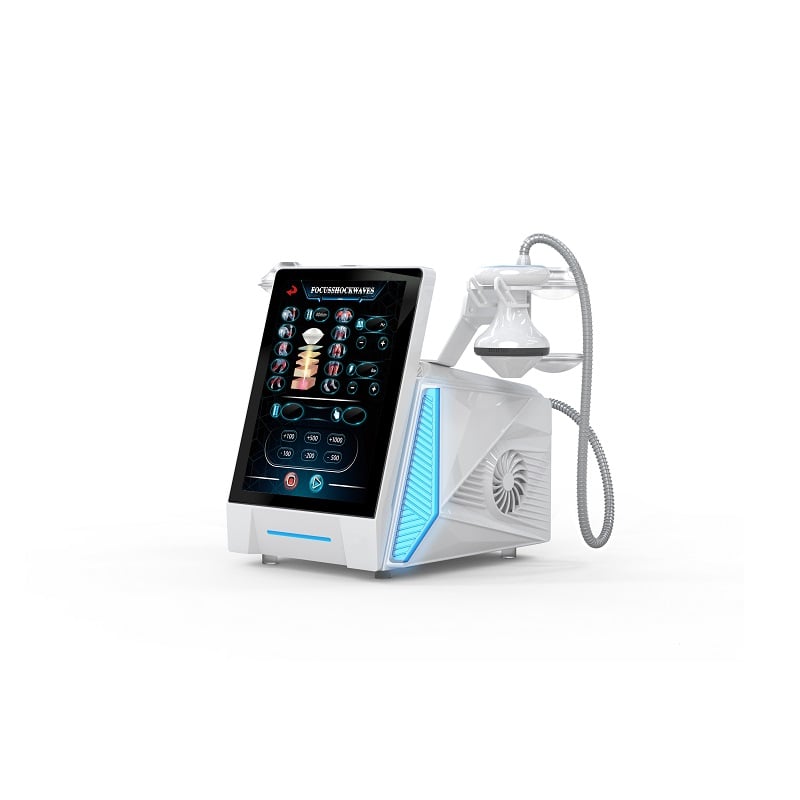
The practical goal is not to promise a bruise-free outcome, but to avoid preventable irritation and respond appropriately if symptoms arise. A well-maintained cryolipolysis machine, a suitable fat freezing device, and consistent aftercare guidance all contribute to a more controlled experience. This article explains how those steps fit together and when a client should seek clinical advice.
Before a cryolipolysis treatment, review the client’s medical history, medications, skin condition, and sensitivity to cold. Ask about easy bruising, bleeding disorders, recent procedures, and any condition that affects circulation or sensation. A cryolipolysis machine should only be used when the client is an appropriate candidate under the device instructions and the clinic’s clinical governance.
Screening matters because the same cooling procedure may not be suitable for every person or treatment area. A fat freezing device is not a substitute for medical assessment, and clients should disclose relevant health changes rather than assuming they are unimportant. When eligibility is uncertain, defer treatment and obtain qualified clinical guidance instead of proceeding to meet a schedule.
Explain that temporary redness, tenderness, swelling, bruising, or numbness may occur and that the timing and intensity vary. During a cryolipolysis treatment, the applicator’s suction and cooling can place pressure on tissue, which may contribute to visible marks afterward. Clear communication helps clients distinguish expected short-lived effects from symptoms that need prompt review.
A clinic should also confirm the selected area and applicator fit before starting. Body contouring equipment needs to match the intended treatment area and be used according to its instructions; poor fit or improvised positioning can create unnecessary pressure. Record the client’s baseline skin appearance and sensation so that later changes can be assessed more accurately.
Use the manufacturer’s specified settings, cycle duration, consumables, and applicator placement for each cryolipolysis treatment. The cryolipolysis machine should be inspected and maintained on schedule, with faults addressed before it returns to service. A fat freezing device should never be adjusted beyond its approved instructions to try to accelerate results or shorten a session.
Correct protective membranes and a stable applicator position help create a consistent interface between the device and skin. Body contouring equipment should be operated by trained personnel who can monitor the client and recognize discomfort that calls for reassessment. Check in during the cycle, particularly at the beginning, and stop or follow the device protocol if the client reports unusual pain.
Positioning should be deliberate rather than rushed. Before initiating cooling, confirm that the skin is clean, the treatment area is intact, and the applicator is not pulling or pinching tissue in an unintended way. A cryolipolysis treatment should not proceed over irritated or damaged skin unless qualified guidance and the applicable instructions support it.
Keep records of the treatment area, applicator, settings, duration, and any client-reported sensations. This documentation helps staff identify patterns, review technique, and give consistent follow-up advice. Routine checks of body contouring equipment, including cables, applicators, and approved accessories, also help identify maintenance issues before they affect a client session.
After a cryolipolysis treatment, explain which short-term effects may be expected and how the clinic will handle follow-up questions. Avoid guaranteeing that bruising or numbness will not happen. Advise clients to follow the specific aftercare instructions provided by their practitioner and not to add intense heat, aggressive rubbing, or unapproved products to the area.
Clients may notice altered sensation for a period after cooling, and bruising can vary with individual sensitivity and treatment conditions. A cryolipolysis machine does not determine recovery by itself; health history, the treatment area, and the person’s response all matter. Provide a reliable contact route so clients can report symptoms and receive individualized guidance.
Encourage prompt clinical review for severe or worsening pain, blistering, marked skin changes, spreading redness, or symptoms that concern the client. Persistent or increasing numbness also warrants assessment rather than reassurance based only on a typical recovery timeline. A fat freezing device should be used within its approved scope, and clinics should document and escalate adverse events through their established process.
For operators assessing equipment, review training, maintenance records, fit, and the clarity of client instructions together. Body contouring equipment selection should consider the treatment protocol and the clinic’s ability to use and support it safely. The supplied product page describes a focused shockwave therapy machine rather than a cooling system; the linked cryolipolysis anchor therefore should not be taken as a representation of that product’s function.
The duration varies from person to person, so clinics should avoid giving a guaranteed recovery date. Explain the expected follow-up process for a cryolipolysis treatment and ask clients to report symptoms that persist, worsen, or feel unusual. A cryolipolysis machine operator should refer concerns to an appropriately qualified clinician.
No technique can promise that bruising will never occur. Screening, careful applicator placement, adherence to the protocol, and clear advice may reduce avoidable contributors, but individual responses differ. The fat freezing device should be operated as instructed, and clients should receive realistic information before deciding to proceed.
Review the client’s history, treatment notes, device checks, applicator fit, and follow-up communication, then document the assessment and next steps. Body contouring equipment records can help identify whether a process or maintenance issue needs attention. For any concerning reaction after cryolipolysis treatment, use the clinic’s escalation pathway and seek qualified medical assessment when appropriate.

