

 EN

how-to-reduce-bruising-and-soreness-after-focused-shockwave-therapy, how-to-reduce-bruising-and-soreness-after-focused-shockwave-therapy, /blog
EN
Bruising and soreness can occur after focused shockwave therapy, but thoughtful preparation and treatment planning can help reduce the chance and severity. The practical aim is not to eliminate every temporary reaction; it is to identify risks, use an appropriate treatment approach, and respond sensibly to changes afterward.
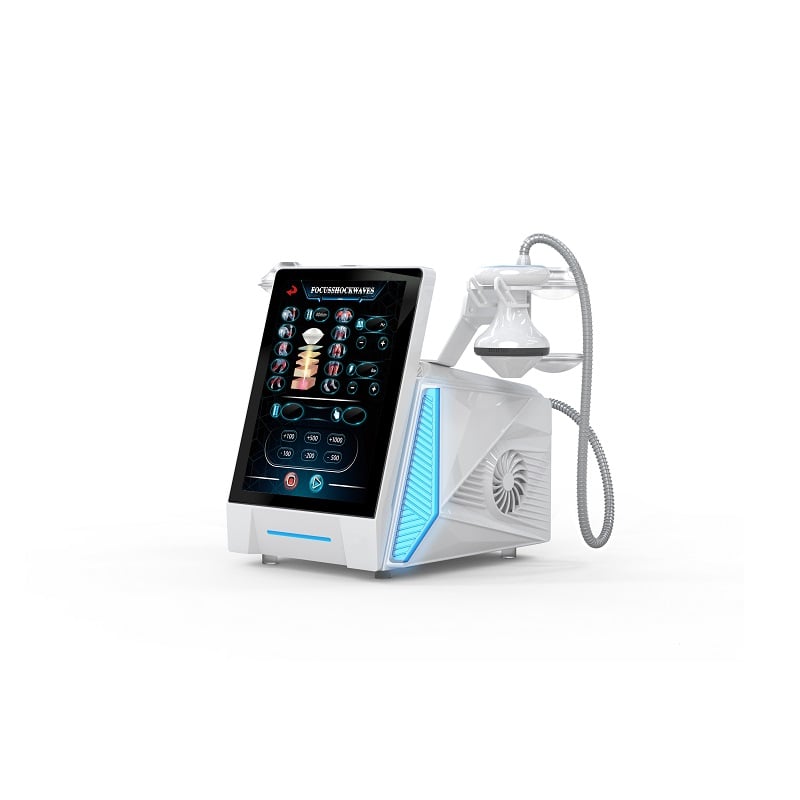
For clinicians, reducing unwanted soreness starts before treatment. A careful history, accurate targeting, appropriate energy selection, and clear aftercare instructions help patients understand what is expected and when to seek advice. These measures matter in orthopedic rehabilitation, where treatment is one part of a broader plan rather than an isolated procedure.
Before focused shockwave therapy, review the patient’s symptoms, health history, medications, and recent changes in activity. Ask about easy bruising, bleeding disorders, anticoagulant or antiplatelet medication, skin sensitivity, and previous reactions to treatment. This discussion helps determine whether treatment should proceed, be modified, or wait for further clinical guidance.
A focused shockwave device delivers acoustic energy to a selected region, so the clinician should also confirm the intended target and assess the surrounding tissue. With extracorporeal shockwave treatment, the application site and patient-specific factors both matter. In orthopedic rehabilitation, record a useful baseline: pain at rest and during relevant movement, tenderness, visible skin changes, and functional limitations.
Explain that mild tenderness or temporary soreness may follow focused shockwave therapy, while visible bruising is not an outcome to ignore or dismiss. Patients should know how to contact the treating team and which changes require prompt assessment. A focused shockwave device should be used within the clinician’s training and the device instructions, not adjusted simply to pursue a stronger sensation.
Document the treatment area and any existing discoloration before extracorporeal shockwave application. This simple step can prevent confusion afterward and helps the clinician judge whether a mark is new or changing. For orthopedic rehabilitation, shared expectations also support adherence: patients can distinguish a short-lived response from a symptom that needs review.
A conservative, responsive start is generally more useful than treating every patient with the same settings. During focused shockwave therapy, clinicians can consider the diagnosis, tissue sensitivity, treatment history, and patient feedback when selecting energy and application parameters. The appropriate approach is the one supported by clinical judgment, training, and the device manufacturer’s instructions.
A focused shockwave device should be checked for correct setup, suitable applicator selection, and accurate positioning before treatment begins. Explain that discomfort is feedback, not a target to overcome. If the patient reports sharp, escalating, or unusual pain, pause and reassess rather than increasing exposure. This approach to extracorporeal shockwave treatment can reduce avoidable irritation while keeping the session clinically purposeful.
Use controlled contact and maintain consistent placement over the intended region. With extracorporeal shockwave therapy, repeatedly pressing or lingering over a sensitive point may add irritation without improving the plan. Recheck patient comfort as treatment progresses and modify or stop the session when symptoms or skin response warrant it.
Focused shockwave therapy should fit the patient’s broader orthopedic rehabilitation goals, including the stage of recovery and tolerance for activity. A focused shockwave device does not replace clinical assessment; it is a tool used within it. When a patient is unusually sensitive, the clinician can consider a lower initial exposure or a different timing strategy, then review the response before deciding on further sessions.
After focused shockwave therapy, explain what mild, temporary tenderness may feel like and how the patient can monitor the area. Avoid giving blanket instructions that conflict with the individual care plan. Patients should follow clinician guidance on activity and pain relief, especially when medical conditions or medication make generic advice unsuitable.
If bruising appears after extracorporeal shockwave treatment, patients can note its location, size, and whether it is changing, then contact the treating clinician if concerned. They should seek timely medical advice for rapidly increasing bruising, significant swelling, severe or worsening pain, skin changes, or other unexpected symptoms. Clear thresholds help avoid both unnecessary alarm and delayed review.
At follow-up, ask when soreness began, how long it lasted, whether bruising occurred, and how daily function changed. In orthopedic rehabilitation, compare this information with the baseline and the patient’s goals rather than relying on a single pain rating. A focused shockwave device should be used in later sessions only after the response has been reviewed and the treatment plan reconsidered.
Consistent notes help clinicians identify patterns across sessions, including whether a particular setting, location, or activity timing coincides with greater soreness. This supports measured adjustments to focused shockwave therapy without assuming that every reaction has the same cause. In orthopedic rehabilitation, the next decision may be to modify treatment, allow more recovery time, or investigate symptoms that do not fit the expected course.
Some temporary tenderness can occur, but the expected response depends on the person and treatment context. Patients should follow the clinician’s instructions and report severe, worsening, or persistent symptoms rather than assuming they are routine.
Not automatically. The clinician should review the bruise, its progression, the patient’s history, and the prior session before deciding whether to continue or change the plan. Significant or rapidly worsening symptoms deserve prompt assessment.
No device can guarantee that bruising will not occur. Careful screening, appropriate settings, accurate application, patient feedback, and follow-up can help manage risk, but individual responses vary.

