

 EN

how-to-reduce-client-dropout-rates-in-shockwave-therapy-courses, how-to-reduce-client-dropout-rates-in-shockwave-therapy-courses, /blog
EN
Reducing dropout from a shockwave therapy course starts before the first appointment. Patients are more likely to continue when they understand the treatment plan, know what progress to expect, and can fit appointments into everyday life. For clinics, improving retention means making each step clear and responding early when a patient has doubts or practical barriers.
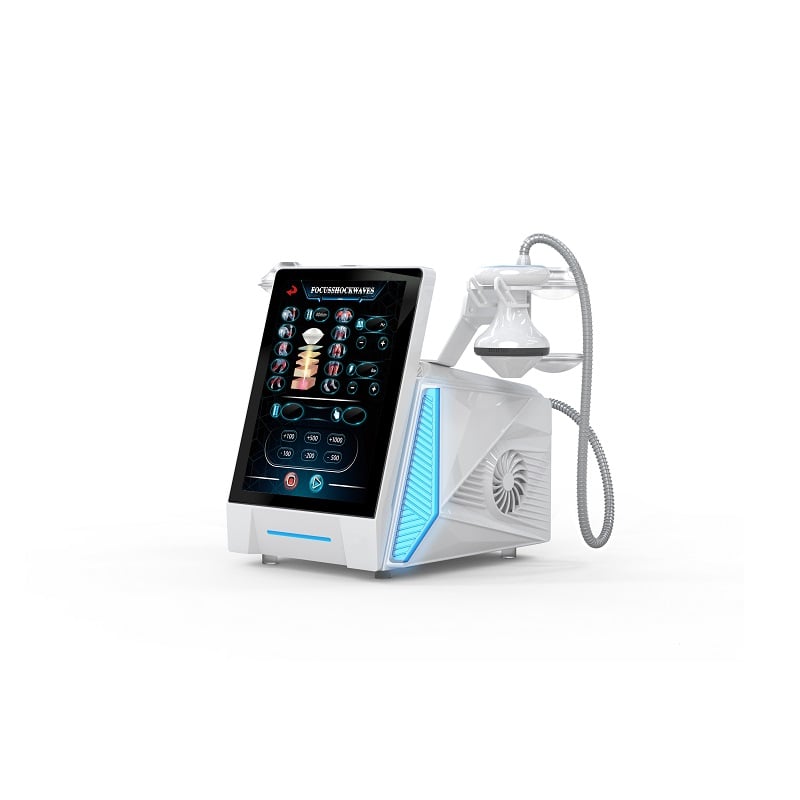
A course is not simply a series of appointments. It is a shared plan between clinician and patient, with decisions about suitability, treatment intervals, and review points. When clinics explain how extracorporeal shockwave fits the individual case and what the patient can do between visits, shockwave treatment feels more purposeful and easier to sustain.
At assessment, explain why shockwave therapy is being considered, what the session involves, and how the clinician will judge whether the plan remains appropriate. Avoid promising a fixed result or timeline. Instead, discuss likely variation, the planned number and spacing of visits, and when the patient and clinician will review progress. A clear explanation of extracorporeal shockwave helps replace uncertainty with informed participation.
Ask the patient to describe the plan back in their own words. This simple check can reveal misunderstandings about appointment frequency, expected sensations, or the purpose of follow-up. In musculoskeletal therapy, patient confidence often depends on understanding how clinic visits connect to daily activity. Record questions and agreed goals so future conversations build on the same expectations rather than restarting the discussion.
A standard schedule may be convenient for clinic operations, but it should not replace a patient-specific plan. Consider the condition being treated, symptom history, work demands, travel, and the patient’s capacity to attend. Explain why the proposed shockwave treatment schedule suits the case and what would prompt a reassessment. When patients see a rationale, they are less likely to interpret each visit as an isolated procedure.
Before booking, ask about shift patterns, caregiving, transport, and other known constraints. Offer realistic appointment options and book the next visit while the patient is present when appropriate. A practical schedule supports continuity in musculoskeletal therapy without implying that attendance alone guarantees improvement. Confirm the plan in writing, including the contact route for changes, so a missed appointment can be addressed rather than becoming an unspoken exit.
Small administrative obstacles can undermine commitment even when a patient values care. Send concise reminders through an agreed channel, state the appointment time and location clearly, and make rescheduling straightforward. For a shockwave therapy course, consistent communication helps patients remember why the next session matters. Clinics should also review cancellation patterns and identify recurring barriers, such as limited opening hours or unclear booking instructions.
Set expectations for what to do if symptoms change or a visit must be postponed. A patient should know whom to contact and whether the clinician needs to review the plan before treatment resumes. This is especially useful when extracorporeal shockwave is one part of broader care. Clear procedures reduce avoidable uncertainty and allow the clinic to respond promptly without pressuring someone to attend when circumstances have changed.
At suitable intervals, ask about function and personally relevant goals, not just pain on the day. A patient may value improved walking, work tolerance, or sleep, even if symptoms fluctuate. Discuss these observations alongside the original objectives and explain how they inform the next shockwave treatment decision. Regular review makes the course feel responsive, while giving both parties a timely opportunity to question whether continuing is still appropriate.
Keep review conversations specific and balanced. Recognize changes without attributing every improvement or setback to one intervention, and invite the patient to share concerns. When progress is limited, explain the available next steps, which may include adjusting the plan or considering another approach. This transparency supports trust in musculoskeletal therapy and can prevent a patient from silently disengaging because they believe their experience is being overlooked.
Repeated late cancellations, missed reviews, shorter answers, or uncertainty about the next visit can signal that a patient is losing confidence or facing a barrier. Treat these patterns as prompts for a supportive check-in, not as proof of noncompliance. Ask whether the schedule, treatment experience, cost, or perceived value has changed. A direct conversation can reveal whether the shockwave therapy plan needs explanation, practical adjustment, or clinical reassessment.
Keep the conversation nonjudgmental and give the patient room to disagree. Some people pause because symptoms have improved; others may be worried, busy, or unsure that the course is helping. Clarify the purpose of extracorporeal shockwave in their care and revisit the goals they chose. If the plan no longer fits, document the discussion and agree on a next step rather than allowing uncertainty to turn into an unplanned dropout.
Create a simple clinic process for contacting patients after a missed visit, with a respectful message and an easy way to reply. The aim is to understand what happened and offer a suitable next step, not to apply pressure. If a patient wants to continue, help find a realistic time and confirm any revised arrangements. If they wish to stop, record that decision and provide appropriate guidance on follow-up.
Review retention at team level using practical measures such as completed courses, missed appointments, and stated reasons for stopping. Look for patterns across appointment times, communication, and explanations of the plan; avoid assuming one cause fits every case. Use findings to refine the patient journey and staff conversations. In musculoskeletal therapy, a consistent process can make care easier to navigate while preserving individualized clinical judgment.
Explain the proposed schedule as a plan for review, not a guarantee of outcome. Describe why the number and spacing of visits are being considered, what progress will be monitored, and when the clinician may change direction. This helps patients understand shockwave treatment while keeping expectations realistic.
Contact the patient promptly using an agreed, respectful channel. Ask whether they want to reschedule and whether a practical concern or change in symptoms affected attendance. A brief follow-up can restore continuity in a shockwave therapy course without assuming the patient has abandoned care.
No. The clinician should review suitability and progress as circumstances change, then discuss whether to continue, adjust, pause, or stop. Patient preference and clinical judgment matter throughout musculoskeletal therapy; completing a preset schedule should not replace an appropriate review.

