

 EN

how-to-reduce-downtime-reported-after-microneedling-sessions, how-to-reduce-downtime-reported-after-microneedling-sessions, /blog
EN
Downtime is one of the most common concerns patients express after microneedling treatments. While this minimally invasive procedure delivers remarkable skin rejuvenation results, the recovery period can impact both client satisfaction and clinic scheduling. Understanding how to reduce downtime after microneedling sessions is essential for practitioners who want to maintain high patient retention and optimize treatment outcomes. The right approach combines proper technique, appropriate device selection, and comprehensive aftercare guidance to minimize discomfort and accelerate healing.
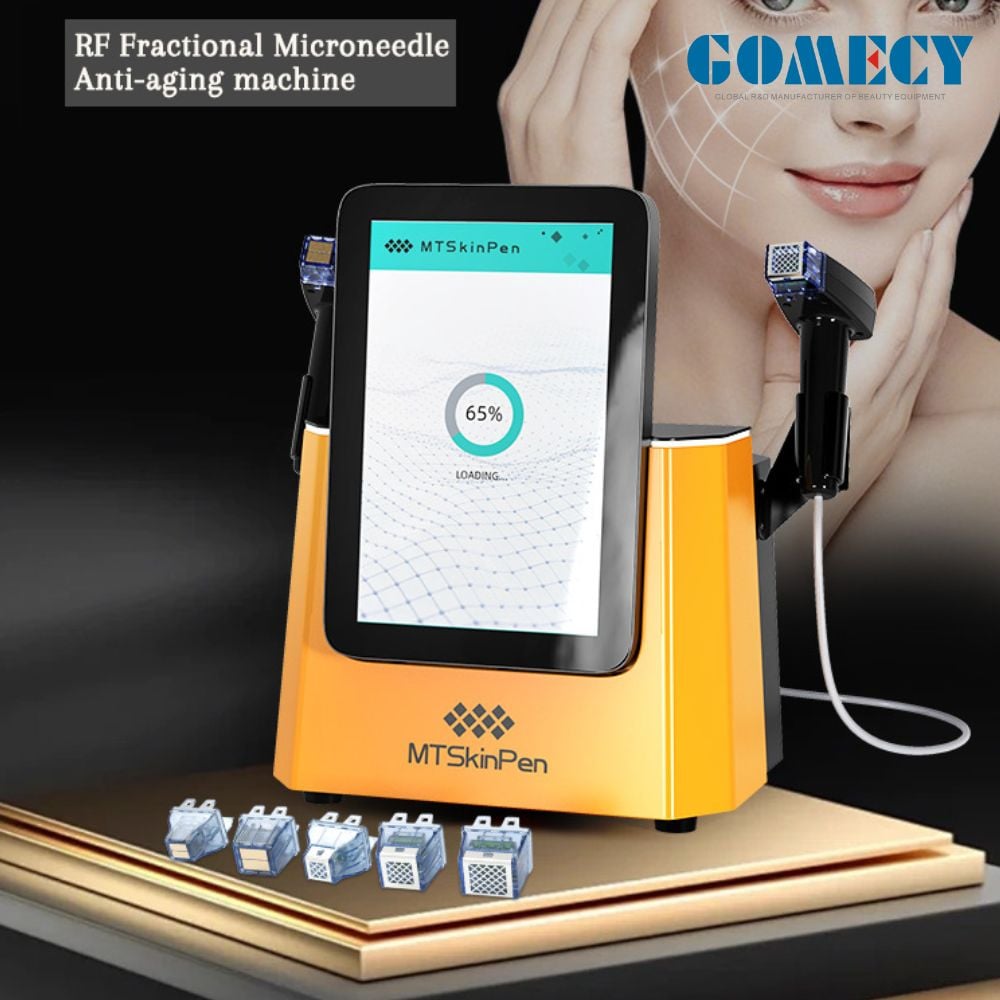
The duration and severity of downtime depend on multiple factors, including needle depth, treatment intensity, and individual skin healing capacity. A quality microneedling machine with adjustable settings allows practitioners to customize treatments that balance efficacy with minimal recovery requirements. By selecting an rf microneedling device with advanced features and following evidence-based recovery protocols, clinics can significantly reduce post-treatment downtime while maintaining superior clinical results.
The choice of skin needling equipment directly influences downtime duration. Different microneedling machines operate at varying needle depths, speeds, and energy levels, each affecting tissue trauma differently. A collagen induction device with precise depth control allows practitioners to select lower invasiveness settings for patients with sensitive skin or tight scheduling constraints. Professional-grade equipment typically causes less thermal damage and mechanical trauma than basic devices, resulting in faster healing and reduced erythema duration. Practitioners should prioritize devices offering graduated needle depth settings, temperature control, and customizable energy output to accommodate diverse patient needs and downtime expectations.
RF microneedling devices combine radiofrequency energy with mechanical needling, creating more intensive collagen induction with potentially shorter recovery windows. While rf microneedling device treatments initially appear more aggressive, they often require fewer sessions to achieve desired results, ultimately reducing cumulative downtime. The radiofrequency component enhances collagen synthesis and accelerates tissue remodeling, allowing patients to return to normal activities faster despite deeper initial responses. Modern rf microneedling devices include intelligent cooling systems that minimize thermal damage to surrounding tissue, further reducing recovery time and complications.
Proper immediate care establishes the foundation for minimized downtime. Within minutes of completing a microneedling machine treatment, practitioners should apply soothing, non-irritating products that calm inflammation and support the skin barrier. Hyaluronic acid serums, peptide complexes, and medical-grade moisturizers accelerate barrier recovery without introducing harsh ingredients. Patients should avoid heat exposure, strenuous exercise, and direct sun contact for at least 24 hours post-treatment. Providing clear written aftercare instructions and professional product recommendations ensures patients understand the critical role they play in recovery optimization. Temperature-controlled environments and specialized post-treatment masks can further reduce immediate redness and discomfort associated with skin needling equipment sessions.
Recovery unfolds across distinct phases, each requiring specific support strategies. Days 1–3 focus on inflammation management and barrier protection through gentle cleansing and targeted serums. Days 4–7 emphasize hydration and continued sun protection while skin begins active repair. Days 8–14 support ongoing collagen remodeling through light antioxidant and peptide-based products. A collagen induction device treatment followed by this structured protocol dramatically reduces visible downtime while maximizing biological healing. Practitioners should educate patients that while redness typically fades within 3–5 days, deeper collagen remodeling continues for 6–8 weeks, and results improve progressively during this period.
Adjusting microneedling machine settings based on patient skin type and downtime tolerance allows practitioners to deliver results while respecting scheduling realities. Lower needle depth sessions spaced closer together often produce equivalent results to single intensive treatments with significantly reduced downtime. An rf microneedling device used at moderate intensity settings typically causes less visible erythema than maximum-depth treatments while still stimulating robust collagen response. Practitioners should evaluate each patient's recovery capacity, professional obligations, and aesthetic goals before finalizing treatment parameters. Younger patients with resilient skin may tolerate aggressive settings, while mature or sensitive skin types benefit from graduated approaches that distribute treatment load across multiple sessions.
Combining skin needling equipment sessions with supportive technologies accelerates recovery and enhances outcomes. LED light therapy applied immediately after microneedling treatment reduces inflammation and stimulates cellular repair mechanisms. Cryotherapy and specialized cooling masks minimize post-treatment edema and discomfort. Medical-grade facials scheduled strategically between microneedling sessions maintain momentum without overwhelming the skin barrier. Some advanced collagen induction devices incorporate built-in cooling or hydrating systems that simultaneously treat while reducing thermal stress. Practitioners should evaluate how complementary modalities align with their specific rf microneedling device capabilities to create integrated protocols that prioritize patient comfort.
Typical downtime ranges from 3–5 days for visible redness, though individual response varies significantly. Skin needling equipment at lower depths may cause minimal redness fading within 24–48 hours, while deeper collagen induction device treatments might require 7–10 days for complete healing. An rf microneedling device usually causes initial erythema lasting 3–7 days depending on intensity settings and individual healing capacity. Most patients can wear light makeup after 24 hours and return to normal social activities within 5 days. Deep biological remodeling continues for 6–8 weeks even after visible healing completes.
Post-treatment skincare should include hyaluronic acid serums, peptide complexes, and medical-grade moisturizers that support healing without irritation. Avoid retinoids, vitamin C, acids, and essential oils for at least 48–72 hours after microneedling machine sessions. Broad-spectrum SPF 30+ sunscreen is mandatory immediately upon sun exposure resumption. Some clinics recommend specific post-treatment kits formulated to complement their skin needling equipment protocols. An rf microneedling device treatment may benefit from slightly more intensive hydration products due to deeper thermal effects. Always avoid products containing alcohol, fragrance, or potentially irritating actives during the initial recovery phase.
Yes, strategic spacing of microneedling machine treatments significantly influences cumulative downtime. Multiple sessions at lower intensity often produce superior results with reduced per-session recovery compared to single aggressive treatments. Spacing microneedling appointments 4–6 weeks apart allows complete skin healing while progressive collagen induction maximizes outcomes. An rf microneedling device may require fewer total sessions due to enhanced energy delivery, potentially reducing total treatment-related downtime. Practitioners should discuss scheduling preferences during consultations and customize collagen induction device protocols accordingly. This approach particularly benefits patients with demanding professional schedules or those prioritizing minimal visible recovery.

