

 EN

how-to-reduce-interference-between-pemf-devices-and-other-equipment2, how-to-reduce-interference-between-pemf-devices-and-other-equipment2, /blog
EN
Reducing interference starts with treating the therapy area as a shared electromagnetic environment, not simply a place to position a treatment applicator. A pemf therapy device may operate near monitors, sensors, communications equipment, or other powered systems, so planning matters. Understand the equipment manuals, identify sensitive devices, and follow facility procedures before beginning pulsed electromagnetic field therapy. Thoughtful positioning of pemf therapy equipment helps protect normal workflows, while a recovery therapy device should be operated only under its specified conditions.
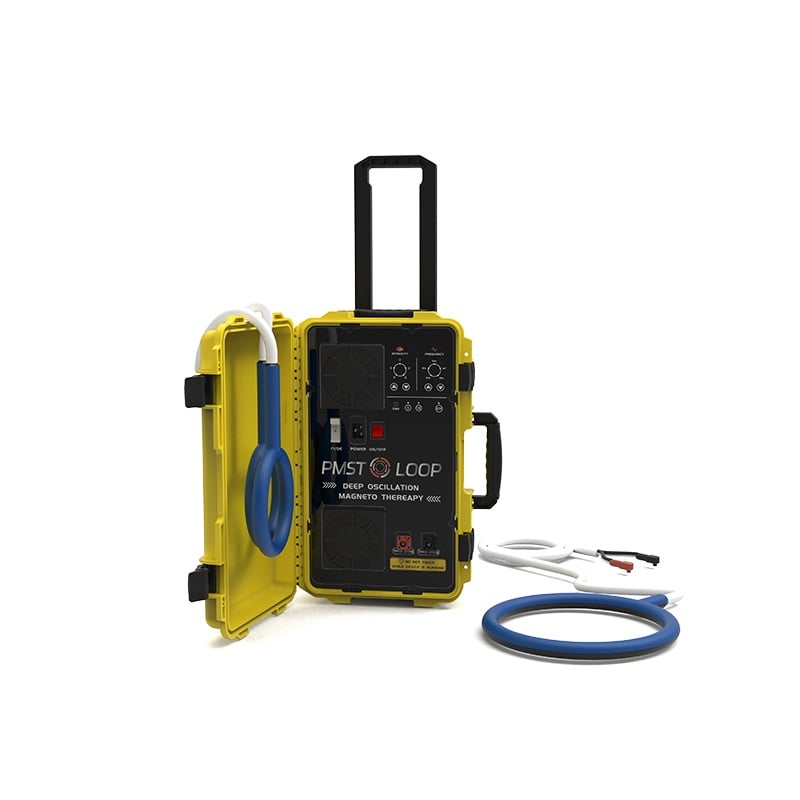
The practical goal is not to assume that every nearby instrument will be affected, but to reduce avoidable coupling and respond appropriately if disruption occurs. For pulsed electromagnetic field therapy, review the manufacturer’s separation guidance and the instructions for nearby equipment before setting up. Keep pemf therapy equipment in a defined treatment zone, and know which recovery therapy device components, cables, or accessories may need extra clearance. A consistent setup makes it easier for staff to notice changes, repeat checks, and coordinate use without interrupting clinical or operational tasks.
Begin by walking through the room and noting devices that measure, display, transmit, or control information. Examples can include patient monitors, diagnostic sensors, wireless receivers, computers, and equipment connected to alarms. Check each unit’s documentation rather than relying on assumptions about distance or shielding. During pulsed electromagnetic field therapy, staff should know which displays or signals require attention. Place the pemf therapy device where treatment can occur without obstructing access, and define a location for pemf therapy equipment between sessions. This planning also helps keep a recovery therapy device away from routine traffic.
Use the operating manual and the instructions for the potentially affected equipment to determine appropriate separation. Do not invent a universal safe distance: interference depends on the equipment, its configuration, cables, and environment. If pulsed electromagnetic field therapy is planned beside a sensitive instrument, consult the responsible technical or clinical lead when directions are unclear. Marking a practical boundary can help staff position a pemf therapy device consistently. Keep pemf therapy equipment within that designated area, and confirm whether the recovery therapy device needs to be moved farther from sensors or control units.
A room map is useful when equipment moves between appointments or shifts. Record the usual treatment location, nearby instruments, cable routes, and any restrictions stated in the manuals. The map should support judgment, not replace it, because temporary equipment or a changed room layout can alter the situation. Before pulsed electromagnetic field therapy begins, compare the current setup with the documented arrangement. If a new monitor appears, reassess placement of the pemf therapy device and related pemf therapy equipment. Include the recovery therapy device in the room check so accessories do not drift into a restricted zone.
Position the treatment applicator according to its instructions and avoid placing it directly beside sensitive instruments unless the manufacturer permits that arrangement. Keep the control unit stable, accessible, and clear of other devices’ vents, controls, and service access points. During pulsed electromagnetic field therapy, avoid unnecessary repositioning while treatment is active. A stable layout makes it easier to notice unusual behavior and return the pemf therapy device to its intended location. Organize pemf therapy equipment so cables do not cross instrument controls, and place a recovery therapy device where staff can inspect it without disturbing nearby systems.
Follow the cable-routing instructions supplied for each system. As a general housekeeping measure, avoid tightly bundling therapy cables with signal, data, or monitor leads, and do not coil excess cable beside sensitive electronics unless the manual allows it. Keep leads intact, dry, and free from crushing or sharp bends. If pulsed electromagnetic field therapy coincides with a display anomaly, note the cable arrangement before changing it. Separating pemf therapy equipment leads from unrelated wiring can simplify troubleshooting, while relocating a recovery therapy device cable may restore a clear, orderly treatment area.
Use the specified accessories and power arrangements; substitutions can change how equipment operates and should not be made casually. Avoid placing cables across walkways, where a trip or tug could shift a device toward a monitor. Staff should not modify connectors, add unapproved shielding, or attempt repairs while equipment is powered. When pulsed electromagnetic field therapy is underway, keep the room setup steady and observe nearby equipment according to local procedures. If an issue is suspected, pause use as directed, document the pemf therapy device configuration, and report the pemf therapy equipment and recovery therapy device details to the appropriate technical contact.
Before routine operation, inspect the system for damage and confirm that nearby equipment is functioning normally. Follow any compatibility checks specified in the manuals, and involve qualified technical personnel when the environment includes essential monitoring or control systems. During pulsed electromagnetic field therapy, remain alert to unexpected readings, alerts, signal loss, or behavior that differs from normal. Do not dismiss a change as harmless merely because it is brief. A pemf therapy device should be used within its instructions, and pemf therapy equipment should be removed from service if it shows a fault. Review the recovery therapy device status before continuing.
If disruption occurs, prioritize the safety procedures for the affected equipment and the people relying on it. Stop or pause treatment as instructed, move equipment only when safe, and notify the responsible operator. Record what was operating, where each component was positioned, which cables were nearby, and what changed. This information helps technical staff assess the cause instead of relying on guesswork. Resume pulsed electromagnetic field therapy only after the issue has been addressed under facility policy. Document the pemf therapy device setup, the pemf therapy equipment involved, and any recovery therapy device adjustments.
It may be possible, but compatibility depends on the specific systems and their instructions. Review separation guidance for both devices and consult qualified staff if the monitor is essential or the instructions are unclear. During pulsed electromagnetic field therapy, monitor function should be observed according to facility procedures. Position the pemf therapy device as directed, keep pemf therapy equipment cables organized, and assess the recovery therapy device within the same room plan. Never assume that a device is unaffected simply because no problem has occurred before.
Follow the monitor’s safety procedure first and pause treatment as directed by local policy. Alert the responsible clinical or technical personnel, then document the timing, equipment positions, cable routing, and observed change. Do not troubleshoot by disconnecting essential equipment or applying improvised shielding. Before restarting pulsed electromagnetic field therapy, have the setup reviewed and follow the relevant manuals. Include the pemf therapy device and all pemf therapy equipment in the report, and note whether moving the recovery therapy device or its accessories changed the behavior.
Greater separation can be a useful control, but it is not a guaranteed solution for every configuration. Interference can depend on device design, cable placement, operating conditions, and room layout. Use the separation values provided by the manufacturers, and seek technical advice if symptoms continue. A revised pulsed electromagnetic field therapy layout should be checked before it becomes routine. Keep the pemf therapy device, pemf therapy equipment, and recovery therapy device in their documented positions, and review the arrangement whenever a new instrument or workflow change affects the treatment area.

