

 EN

how-to-reduce-patient-discomfort-during-shockwave-treatment-sessions, how-to-reduce-patient-discomfort-during-shockwave-treatment-sessions, /blog
EN
Reducing discomfort during shockwave treatment starts with adapting the session to the person, not simply lowering intensity for everyone. A clinician using a shockwave therapy machine should explain expected sensations, agree on a communication signal, and adjust delivery as the patient responds. This is especially important in extracorporeal shockwave therapy, where a clear plan helps patients participate calmly in musculoskeletal therapy.
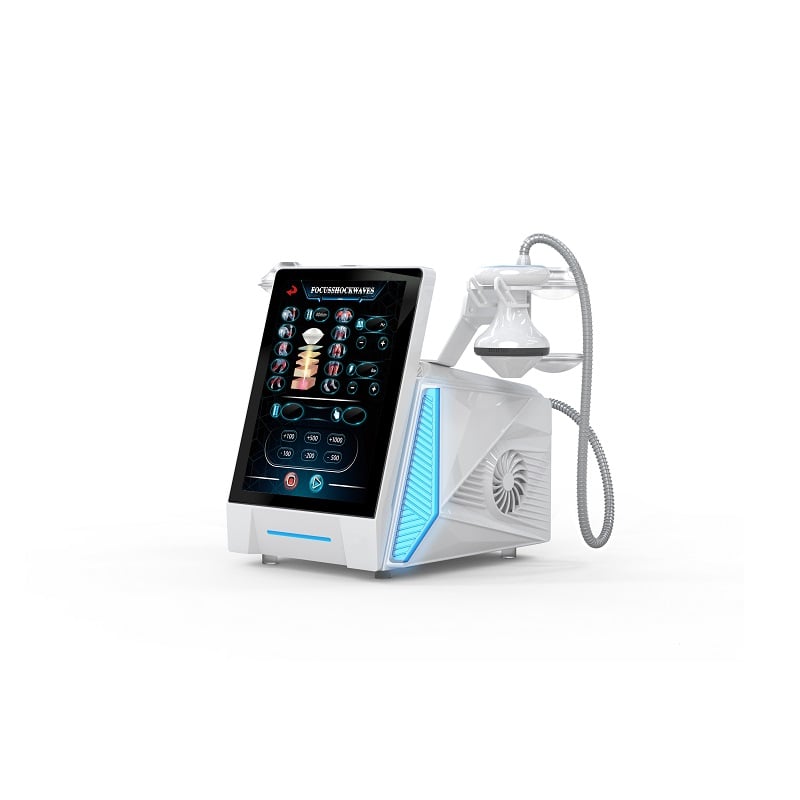
Comfort is not a fixed setting or a promise that treatment will be painless. It is a clinical outcome shaped by preparation, positioning, applicator choice, pacing, and ongoing feedback. Whether a clinic uses a radial shockwave device or focused equipment, small adjustments can make a session more tolerable without losing sight of the treatment plan. The following practices offer a practical way to guide each appointment.
Before switching on a shockwave therapy machine, describe what the patient may feel, such as tapping, pressure, or brief tenderness. Explain that sensation can vary by treatment area and individual sensitivity. In extracorporeal shockwave therapy, this conversation reduces uncertainty and gives the patient a chance to raise concerns before the applicator touches the skin.
Agree on a simple signal that means pause, reduce intensity, or stop. A patient should not have to endure escalating discomfort to appear cooperative. When treating a musculoskeletal therapy concern, ask about recent changes in pain, medication, activity, and previous treatment experiences; these details help the clinician interpret feedback and choose an appropriate starting approach.
Position the patient so the target area is accessible and the body can remain relaxed. Support the limb or trunk with cushions where needed, and avoid asking the patient to hold an awkward posture throughout treatment. For a radial shockwave device, stable positioning helps the operator maintain consistent contact and makes it easier to notice guarding or movement.
Confirm the treatment site, explain how the area will be exposed, and use appropriate draping. Apply coupling gel as directed for the equipment and treatment protocol; adequate contact supports smooth applicator movement. Before beginning extracorporeal shockwave therapy, check that the patient understands the sequence and can communicate freely. These practical steps can ease tension before sensations begin.
Start the shockwave therapy machine at a conservative setting consistent with the clinical plan and device instructions. Give the patient a moment to register the sensation, then ask for a clear comfort rating before increasing output. In extracorporeal shockwave therapy, gradual changes make it easier to identify a tolerable level than an abrupt jump in intensity.
Use the prescribed treatment parameters as clinical boundaries, not as a reason to ignore the person in front of you. If the patient tenses, withdraws, or reports sharp discomfort, pause and reassess contact, location, and settings. A radial shockwave device may feel different across tissue areas, so maintain regular check-ins as the applicator moves.
Move the applicator steadily and follow the treatment plan rather than lingering over a sensitive point without reassessment. Keep contact and angle consistent where the protocol requires it, while checking whether a small repositioning improves tolerance. A clinician should use the shockwave therapy machine deliberately; hurried movement can make sensations less predictable and undermine patient confidence.
If a location is unusually sensitive, reduce the setting or briefly pause before deciding whether to continue nearby. Do not treat through a request to stop. The response may guide a change in pace, position, or session plan, while preserving the purpose of musculoskeletal therapy. Clear explanation during these adjustments reassures the patient that feedback is being taken seriously.
Check in at planned intervals and after meaningful changes in location or intensity. Ask specific questions, such as whether the sensation is manageable or whether the patient wants a pause, instead of relying on facial expression alone. With a radial shockwave device, contact can shift quickly across the treatment area, so consistent dialogue helps the clinician respond in real time.
Keep the room calm and explain pauses before making adjustments. If discomfort rises, stop energy delivery, reassess the patient, and resume only when appropriate and agreed. The shockwave therapy machine is one part of a broader clinical interaction; attentive pacing and respectful communication support trust during musculoskeletal therapy and make it easier to discuss the experience accurately.
At the end of extracorporeal shockwave therapy, ask how the area feels and explain what follow-up communication is appropriate under clinic policy. Provide individualized guidance about activity and symptom monitoring rather than assuming every patient will respond the same way. Document the settings used, patient feedback, pauses, and any changes made to the session plan.
Use the documented response to inform the next appointment instead of repeating settings automatically. A patient who found one position uncomfortable may tolerate a modified setup, while a patient with lingering concerns may need reassessment before another session. Reviewing these details helps clinicians refine use of a shockwave therapy machine and keep treatment decisions patient-centered.
No. Begin according to the clinical plan and equipment guidance, then adjust based on the patient’s response. With a shockwave therapy machine, gradual progression and regular consent checks are more useful than treating a high setting as a goal.
Sensation can differ with the equipment, treatment location, and individual. A radial shockwave device may not feel identical to focused delivery, so explain the approach, check comfort, and follow the appropriate protocol for musculoskeletal therapy.
Tell the clinician immediately and use the agreed pause signal. During extracorporeal shockwave therapy, the clinician can stop delivery, reassess the site and settings, and decide with the patient whether to modify or end the session.

