

 EN

how-to-reduce-skin-redness-reported-after-tecar-treatments, how-to-reduce-skin-redness-reported-after-tecar-treatments, /blog
EN
Mild, temporary redness can occur after a TECAR session as skin responds to warmth and increased local circulation. To reduce skin redness reported after TECAR treatments, focus on screening, controlled energy delivery, continuous communication, and appropriate aftercare. The goal is not to eliminate every short-lived flush, but to prevent avoidable irritation and identify signs that need clinical attention. A careful approach to tecar therapy starts before the applicator touches the skin.
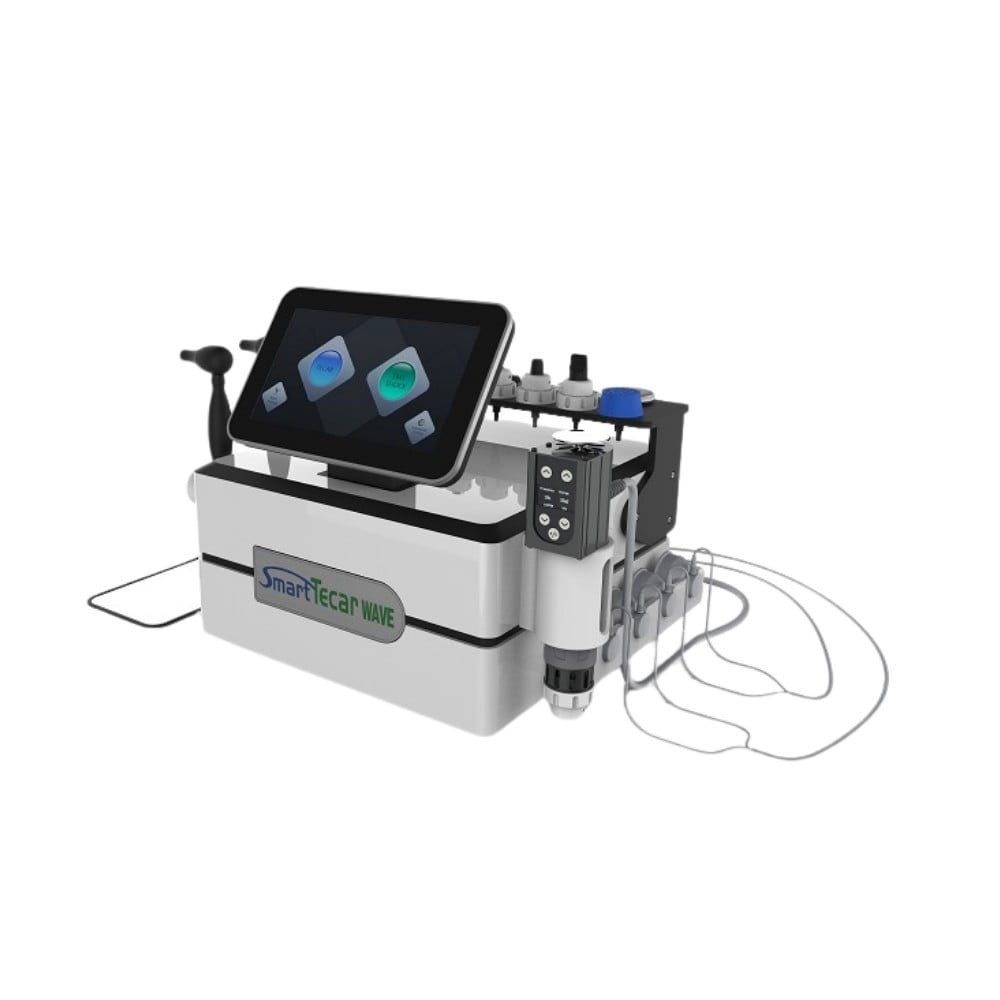
Skin redness is more likely when treatment intensity, duration, contact, or patient sensitivity is not well managed. Capacitive resistive electric transfer may create a warming sensation, but the sensation should remain tolerable and should not be treated as a target to push past. A radiofrequency therapy device should be operated according to its instructions, with the clinician monitoring the skin and checking how the patient feels throughout the session. This guide explains practical ways to reduce unnecessary redness while maintaining sound clinical judgment.
A mild, even flush that fades soon after a session may reflect a temporary response to warmth. Redness that becomes more intense, painful, sharply defined, swollen, or persistent deserves a different response. Ask when it began, whether it is spreading, and whether the patient feels burning, tenderness, itching, or unusual heat. These details help distinguish a brief response from possible irritation or a skin injury that requires assessment.
During tecar therapy, do not rely on appearance alone. Skin tone, room lighting, and the treated area can make visual changes difficult to interpret, so combine inspection with frequent patient feedback. Capacitive resistive electric transfer should feel comfortable rather than sharply hot, and a patient should be able to report discomfort without pressure to continue. Pause promptly if sensation changes or the skin response concerns the clinician.
Before treatment, inspect the area for existing redness, irritation, broken skin, recent sun exposure, or sensitivity. Ask about relevant medical conditions, medicines, prior reactions, and recent procedures, then follow professional guidance and the device instructions when deciding whether to proceed. A radiofrequency therapy device does not remove the need for individual screening. Record the baseline appearance so that any change during or after the session can be interpreted in context.
Treatment history also matters. If redness has followed earlier sessions, note its location, duration, intensity, and relationship to the settings and technique used. Deep heat therapy can be experienced differently from one person to another, so a previous comfortable session does not guarantee the same response today. Adjust the plan based on current presentation instead of repeating a routine automatically.
Begin conservatively and increase intensity only when the treatment plan supports it and the patient remains comfortable. Avoid chasing a stronger warming sensation as proof of effectiveness. With tecar therapy, use the lowest practical intensity and treatment duration suited to the clinical objective, then reassess before extending the session. Capacitive resistive electric transfer should remain controlled rather than being applied at a fixed level regardless of feedback.
If redness appears quickly or discomfort rises, stop or reduce energy and reassess the skin. A radiofrequency therapy device should be set and used according to its operating instructions, including any guidance for applicator movement and treatment intervals. The appropriate adjustment may be a lower intensity, shorter exposure, altered technique, or ending the session. Do not continue simply to complete a planned duration when the response suggests excessive heat.
Follow the device instructions for coupling medium, contact, and applicator movement. Inconsistent contact or leaving an applicator stationary where movement is required may contribute to uneven heating. During capacitive resistive electric transfer, maintain the recommended technique and keep checking comfort across the treated area. Do not improvise with products or methods that are not approved for the equipment and treatment.
Explain the expected sensation before starting and agree on a clear signal to pause. This simple step encourages timely feedback, especially when a patient is unsure whether warmth is normal. Deep heat therapy should be approached with particular care where sensation or communication may be limited. In those situations, consider whether treatment is appropriate and follow professional protocols for additional monitoring.
After treatment, inspect the area and ask about comfort before the patient leaves. If mild redness is present, allow the skin to settle and use only gentle measures consistent with clinical guidance and device instructions. Avoid vigorous rubbing, direct high heat, or unapproved topical products on an irritated area. For tecar therapy, clear aftercare advice helps patients understand what to observe without implying that every flush signals harm.
If redness continues, worsens, or is accompanied by pain, blistering, marked swelling, or other concerning symptoms, stop further treatment and arrange appropriate clinical assessment. Do not apply another session to an area that has not recovered simply to stay on schedule. Deep heat therapy can be reconsidered only after the response has been understood and the clinician has determined that treatment remains suitable.
Record the skin appearance before and after treatment, the patient’s reported sensation, treatment area, duration, settings, and any adjustments. These notes make it easier to identify patterns and improve consistency between sessions. If redness recurs, review technique, patient factors, and whether the treatment plan still fits the clinical goal. A radiofrequency therapy device should be maintained and used as specified, with staff training kept current.
A product specification or equipment feature cannot replace sound judgment at the point of care. Clinicians evaluating a tecar system should consider operator controls, instructions, training needs, and how the equipment fits their treatment protocols. Capacitive resistive electric transfer is only one part of a session; screening, technique, monitoring, and follow-up all influence the patient experience.
There is no single duration that applies to every person or treatment area. Mild redness should be monitored and interpreted alongside comfort and other skin changes. If it persists, worsens, or includes pain, swelling, or blistering, seek clinical assessment and do not repeat treatment until the response has been reviewed.
Pause to inspect the area and ask about sensation. If the redness is increasing or the patient reports burning or pain, stop or reduce treatment and follow clinical protocols. During tecar therapy, tolerability and the observed response take priority over completing a preset session time.
No. Conservative settings can help, but screening, proper contact and movement, patient feedback, and appropriate aftercare also matter. Deep heat therapy and capacitive resistive electric transfer require individualized monitoring, while radiofrequency therapy device use should follow its instructions and relevant professional guidance.

