

 EN

how-to-reduce-vibration-discomfort-reported-on-shockwave-machines, how-to-reduce-vibration-discomfort-reported-on-shockwave-machines, /blog
EN
When patients report vibration discomfort during treatment, the answer is not simply to ask them to tolerate it. A shockwave machine delivers mechanical pulses through an applicator, and the sensation can change with the treatment area, contact, settings, and patient expectations. A structured response helps clinicians identify what is driving discomfort and adjust safely without losing sight of the treatment plan.
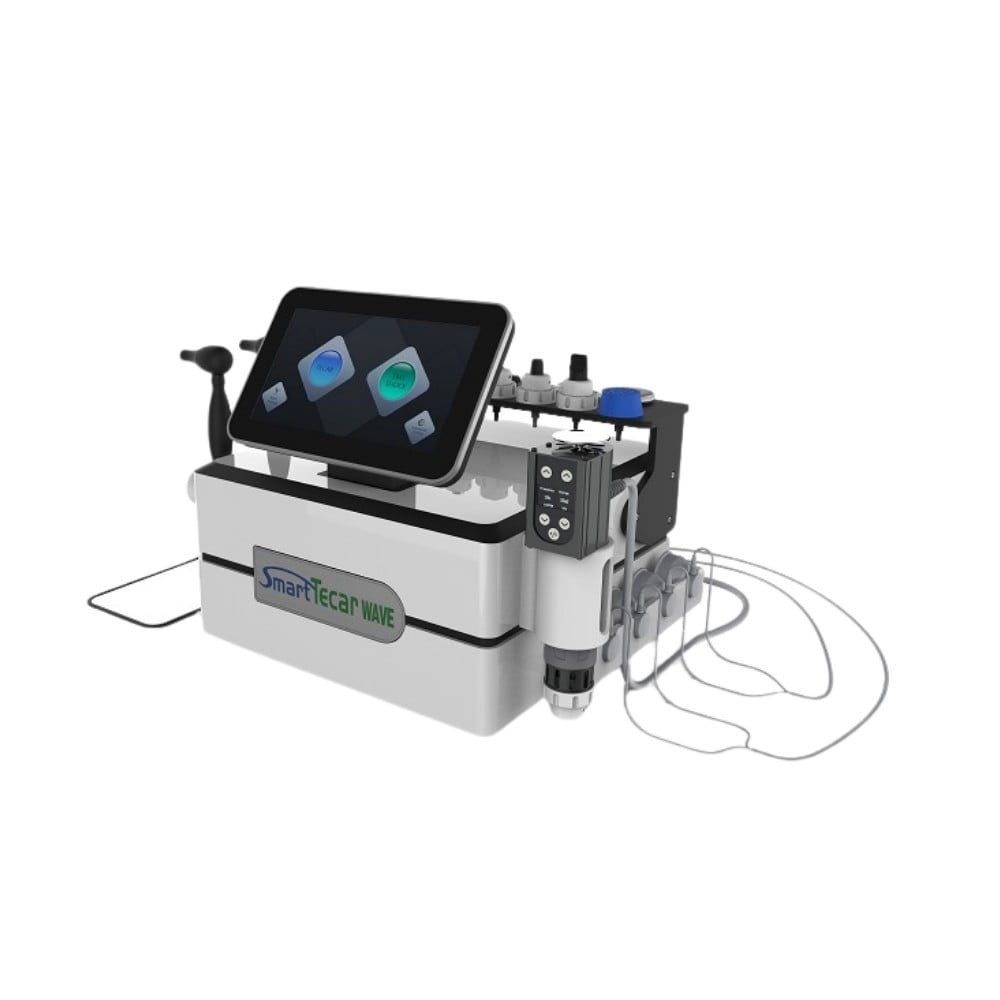
Reducing discomfort starts with distinguishing a normal, tolerable pulse sensation from sharp pain, guarding, or a response that worsens as treatment continues. Before changing settings, check the patient, the applicator contact, and the device setup. This practical sequence applies across a shockwave unit used in a clinic and supports consistent communication during physiotherapy shockwave sessions.
Ask the patient to describe the sensation in specific terms, such as pressure, tapping, sharp pain, tingling, or spreading soreness. Find out when it begins, whether it changes with each pulse, and whether it persists after the applicator is lifted. A shockwave machine may feel different across body regions, so patient feedback is more useful than assuming one setting feels the same to everyone.
Check the treatment area and the patient’s position before making adjustments. Tenderness, protective muscle tension, sensitivity, and difficulty staying still can all make a shockwave device feel less comfortable. Confirm that the patient understands what sensation to expect and agrees to tell you if it becomes unpleasant. Clear expectations reduce surprise and help distinguish anxiety from a physical response that requires a pause.
A brief baseline check also creates a point of comparison. Ask about current pain, recent changes, and any relevant precautions in the clinical history, then reassess during treatment rather than relying on recall afterward. If discomfort is sharp, escalating, or accompanied by an unexpected symptom, stop and assess rather than pushing through. The patient’s response should guide the next step.
Poor or inconsistent contact can make the delivered pulses feel abrupt. Position the patient so the target area is supported and accessible, then apply coupling medium according to the equipment instructions. Keep the applicator stable and appropriately aligned. A shockwave unit should be operated with a deliberate, controlled technique; rushed movement or uneven pressure can undermine comfort and make feedback harder to interpret.
Check that the applicator and its components are correctly fitted, clean, and in suitable condition. Follow the manufacturer’s instructions for maintenance and use, and do not improvise repairs or use a damaged part. In physiotherapy shockwave care, these basic checks matter because a setup issue can be mistaken for patient sensitivity. If the sensation remains unusual after correcting contact and position, pause for a fuller equipment and clinical review.
If the patient describes tolerable but excessive intensity, consider a small adjustment within the device’s approved operating range and the treatment protocol. Explain the change, deliver a short test period, and ask how the sensation compares. This is more informative than changing several variables at once. A shockwave machine should be adjusted to the individual response and clinical purpose, not to a fixed assumption about what every patient can tolerate.
Depending on the equipment and prescribed protocol, the clinician may review energy or pressure, pulse frequency, pulse count, and application technique. Change only parameters you are trained and authorized to adjust. Record meaningful changes so the next session can build on observed tolerance. A shockwave unit is not made more effective by increasing intensity through discomfort; treatment decisions should remain clinically justified and consistent with its instructions.
Some patients benefit from beginning conservatively and increasing gradually if the sensation remains acceptable. Others may need a lower setting, a shorter initial exposure, or a pause to settle their position. Do not promise that adaptation will occur or that discomfort is necessary for benefit. A physiotherapy shockwave plan should account for the patient’s response at each visit, while preserving the intended treatment aim and professional judgment.
Use steady, controlled movement when the protocol calls for movement, and avoid lingering over a highly sensitive spot unless clinically indicated. Reassess the target location and the patient’s posture if guarding begins. A shockwave device can produce a more manageable experience when the applicator is applied consistently and the patient knows when pulses will start. Explain each adjustment in plain language instead of making unexplained changes.
Agree on a simple stop signal before starting, particularly when the patient may find it difficult to speak during treatment. Check in at planned intervals and immediately after any reported increase in discomfort. Keep the room calm and allow time for a response before continuing. These steps help the clinician use the shockwave machine responsively, rather than relying on a single opening check to represent the entire session.
Before treatment, explain the expected sensation, the purpose of the session, and the patient’s options if discomfort rises. Confirm the relevant clinical screening, treatment location, and planned settings, and make sure the patient is positioned comfortably. Physiotherapy shockwave sessions are easier to manage when the patient understands that reporting discomfort is useful feedback, not a disruption or a sign of failure.
Follow the device instructions for setup, approved accessories, and operating limits. Check cables, applicator connections, and visible wear as part of the clinic’s normal process. Keep a record of the initial settings and any changes, particularly when discomfort differs from the previous visit. This supports continuity and helps the team identify whether a recurring concern relates to technique, expectations, or equipment condition.
After each adjustment, ask whether the sensation has eased, stayed the same, or worsened. Recheck the patient after the session and document the location, response, settings, and steps taken. If discomfort does not settle, recurs unexpectedly, or raises clinical concern, stop treatment and follow the clinic’s assessment and referral procedures. A shockwave device should not be used to bypass a reassessment that the patient’s symptoms warrant.
When several clinicians share a shockwave unit, agree on consistent screening, communication, and documentation practices. Review recurring reports as a team and inspect equipment according to the service schedule and instructions. If a machine behaves inconsistently, remove it from use when appropriate and arrange qualified support. A measured process protects patient comfort while helping the clinic make decisions based on observable responses rather than guesswork.
No. Pause the shockwave machine and assess the patient, treatment area, positioning, and setup. Sharp or increasing pain should not be treated as a sensation the patient must endure. Decide whether to modify, defer, or stop the session in line with clinical judgment and the equipment instructions.
It may help when the current intensity is poorly tolerated, but settings should be changed gradually and only within the approved protocol. Recheck the response after an adjustment. During physiotherapy shockwave treatment, the goal is a clinically appropriate session the patient can tolerate, not simply the lowest or highest available setting.
Review the patient’s response, treatment site, positioning, contact technique, settings, and equipment condition. Document patterns across visits and reassess whether the plan remains appropriate. If a shockwave device appears inconsistent or shows damage, stop using it as indicated by clinic policy and seek qualified technical support.

