

 EN

how-to-select-focused-shockwave-therapy-equipment-for-rehabilitation-clinics, how-to-select-focused-shockwave-therapy-equipment-for-rehabilitation-clinics, /blog
EN
Selecting focused shockwave therapy equipment starts with the rehabilitation clinic’s treatment goals, patient profile, and operating workflow. A focused shockwave therapy system should fit the conditions clinicians intend to address and the way they assess and treat patients, rather than being chosen on features alone. Compare each shockwave therapy machine against those practical requirements.
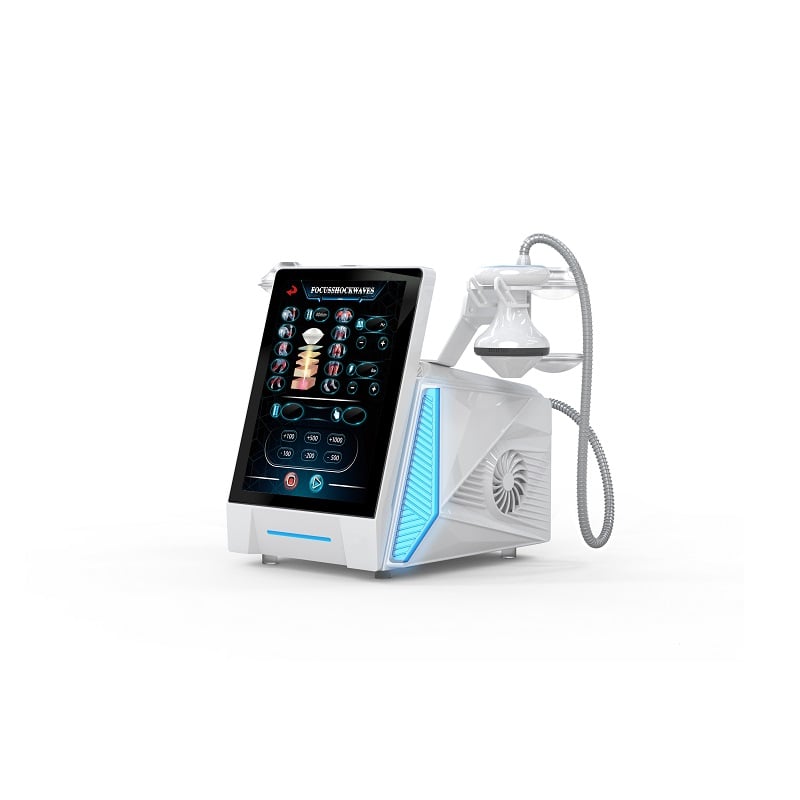
This selection also calls for a clear view of the clinic’s wider physical therapy equipment and treatment pathways. Consider how pmst and a pemf therapy device fit, if they are already part of the service mix, without treating different modalities as interchangeable. The most useful choice is one clinicians can use consistently, explain clearly, and maintain within the clinic’s capacity.
Begin by documenting the conditions, anatomical areas, and patient groups the clinic expects to treat. This gives the team a basis for assessing whether a shockwave therapy machine provides the controls and applicator options required for its intended use. Keep the scope specific; a general desire to add a new modality is not enough to establish clinical fit.
Review the proposed role alongside current physical therapy equipment and existing care pathways. If clinicians use pmst or a pemf therapy device, identify the purpose of each modality and where it may sit in the patient journey. The comparison should clarify complementary roles, not assume one device replaces another or produces the same treatment effect.
Ask clinicians to assess the device interface, available treatment settings, and the way the applicator is handled during a session. A shockwave therapy machine should support a repeatable process that staff can learn and document. Check how the equipment helps users select settings, monitor the session, and keep treatment consistent with clinic protocols.
Assess physical therapy equipment as a complete clinical setup, including space, positioning, and access to the treatment area. For a clinic that also offers pmst or a pemf therapy device, consider whether schedules, room turnover, and patient explanations remain straightforward. These details influence usability and help prevent a new modality from complicating established care.
Translate clinical requirements into questions about the device, then review technical documentation rather than relying on a brief feature summary. A shockwave therapy machine should be assessed for its stated operating parameters, controls, accessories, and maintenance instructions. Confirm that the information is clear enough for the clinic to create training and operating procedures.
Consider how physical therapy equipment will be arranged and used from patient intake through treatment completion. If pmst is offered in the same service area, staff need to distinguish its workflow from shockwave treatment. Likewise, a pemf therapy device has its own operating process, so plan for clear scheduling, setup, and patient communication.
Request a demonstration or structured review that lets relevant clinicians test controls, positioning, and routine setup. Observe whether a shockwave therapy machine can be operated with a sensible sequence and whether its instructions answer everyday questions. Clarify what training is available, who will complete it, and how new staff will learn the clinic’s protocols.
Plan for the ownership requirements of physical therapy equipment, including cleaning, inspection, service access, and consumables where applicable. Discuss who will coordinate maintenance and how the clinic will manage downtime. If pmst and a pemf therapy device are also used, consistent training records and clear equipment responsibilities can reduce confusion across the team.
Before purchase, confirm room dimensions, power requirements, storage, and patient access using the device documentation. A shockwave therapy machine must fit the intended treatment area without obstructing clinician movement or other services. Include the people responsible for facilities and daily operations in this review, not only the clinicians who will deliver treatment.
Update the clinic’s physical therapy equipment plan to include setup, cleaning, patient flow, and recordkeeping. Establish how staff will explain the treatment, obtain appropriate consent, and document sessions under clinic policy. Where pmst or a pemf therapy device is used, write distinct procedures so the different modalities are not confused during handoffs.
Agree on evaluation criteria before comparing options. These can include alignment with intended cases, ease of use, clarity of documentation, training needs, service arrangements, and fit with the budget. Apply the same criteria to every shockwave therapy machine under consideration, and record why each requirement matters to the clinic.
After implementation, review staff feedback, workflow impact, and whether the equipment is being used as planned. Look for practical barriers such as setup delays, unclear instructions, or scheduling conflicts, then address them through training or process changes. Compare the new service with existing physical therapy equipment, pmst, and any pemf therapy device by role and workflow, not by assuming identical outcomes.
Define the intended patients, treatment areas, and clinical workflow first. Then assess whether a shockwave therapy machine’s documented controls and application options fit those needs and the clinic’s staff capacity.
Not automatically. Physical therapy equipment serves different purposes, and pmst or a pemf therapy device should be evaluated by its own role, operating process, and place in the clinic’s care pathway.
Readiness means suitable space, trained clinicians, documented procedures, and a plan for maintenance and review. Confirm these elements before introducing a shockwave therapy machine into routine service.

