

 EN

how-to-select-physical-therapy-equipment-for-a-rehabilitation-center, how-to-select-physical-therapy-equipment-for-a-rehabilitation-center, /blog
EN
Selecting physical therapy equipment for a rehabilitation center is a service-design decision, not simply a purchasing exercise. Start with the conditions treated, patient needs, and clinical methods your team can competently deliver. Reviewing physiotherapy equipment alongside options such as a shockwave therapy machine, a pemf therapy device, and tecar helps connect each investment to a defined care pathway.
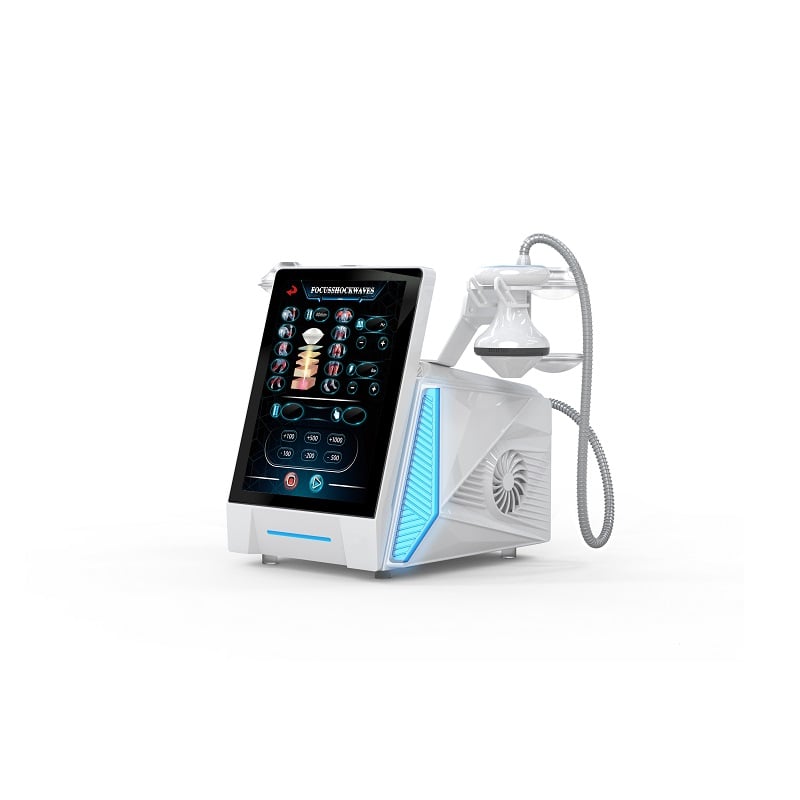
A practical selection process weighs clinical fit against workflow, space, training, safety, and ongoing cost. Rather than buying every available modality, map the proposed physical therapy equipment to the center’s most common referral needs and the outcomes clinicians are prepared to monitor. This makes the decision easier to explain, budget, and review after installation.
Review referral patterns, diagnoses, patient volumes, and the treatment plans clinicians use most often. This establishes whether physiotherapy equipment should primarily support mobility, strengthening, pain management, or several service lines. A shockwave therapy machine may suit a program that regularly assesses appropriate musculoskeletal cases, while a pemf therapy device or tecar should be considered only where staff have a clear clinical rationale.
Separate routine demand from occasional requests before allocating funds. Physiotherapy equipment that supports frequent, core appointments may justify priority over a specialized modality with uncertain utilization. Discuss tecar with the clinical team in terms of intended patient groups and protocols, then compare that use case with the center’s existing services rather than treating novelty as a reason to purchase.
Estimate appointment duration, setup time, cleaning needs, and how many clinicians may share each unit. These details clarify whether the physical therapy equipment will fit an individual treatment room or need a shared, bookable space. A shockwave therapy machine used across several clinicians, for example, requires a booking and handover process that avoids delays between appointments.
Consider how the modality fits with assessment and exercise rather than viewing it as a stand-alone service. A pemf therapy device or tecar may call for dedicated appointment time, while other physiotherapy equipment can be integrated into a broader visit. Forecast realistic use by day and by clinician so capacity assumptions reflect actual schedules, not just the number of patients on the books.
Ask clinicians to describe when a modality would be considered, what alternatives exist, and how response would be assessed. Physiotherapy equipment should support a defined protocol, with clear inclusion, exclusion, and review criteria. For a shockwave therapy machine, verify that intended use, operator training, and patient screening align with the center’s clinical governance and the device documentation.
Apply the same discipline to a pemf therapy device and tecar: establish the proposed role, relevant precautions, and how use will be recorded. Compare each option with the center’s current care pathway and ensure it adds a useful capability rather than duplicating an existing service. The right physical therapy equipment is the equipment clinicians can apply consistently, safely, and for a reason patients can understand.
Measure the room, doorways, storage area, and the working space needed around the patient and operator. Physiotherapy equipment must fit the real environment, including access for cleaning and routine service. Confirm electrical requirements, cable management, ventilation where applicable, and any manufacturer-specified clearance before a shockwave therapy machine is assigned a permanent location.
Plan where a pemf therapy device will be stored between sessions and whether tecar accessories need nearby organization. Review patient access, privacy, and staff movement so equipment does not obstruct transfers or exercise. A floor plan or room walk-through can reveal practical conflicts early, helping the center avoid delivery-day changes and protect usable treatment space.
Compare the purchase price with the costs of installation, training, consumables, maintenance, and potential downtime. For physiotherapy equipment, ask what routine checks are required and how quickly service issues can be addressed. A shockwave therapy machine should also be reviewed for replacement components and service arrangements so budget owners understand the full commitment beyond the initial invoice.
Request written information on warranty terms, maintenance intervals, and the availability of technical support. Include those details when assessing a pemf therapy device or tecar, and account for staff time spent on training and upkeep. A cost comparison is most useful when it covers the expected ownership period and the center’s realistic level of use, rather than focusing on upfront price alone.
Before committing to a broad purchase, define a review period, accountable clinical lead, and measures of successful implementation. The center can track utilization, appointment flow, staff confidence, patient suitability, and maintenance events for the selected physical therapy equipment. Documenting these measures makes it possible to decide whether the investment supports the service plan or needs adjustment.
Build onboarding around practical demonstrations, competency checks, cleaning routines, and a clear route for reporting faults. Revisit whether physiotherapy equipment remains appropriate as referral patterns change, and review shockwave therapy machine use against the original protocol. For a pemf therapy device or tecar, keep training and clinical documentation current so day-to-day use remains consistent with center policy.
Begin with patient needs, referral patterns, staff capabilities, and available rooms. Those facts help distinguish essential physiotherapy equipment from options with limited use. Then check whether the proposed equipment supports a defined pathway, fits the budget, and can be maintained without disrupting routine care.
Confirm that its intended applications match the center’s clinical protocols, and review operator training, patient screening, service requirements, and room fit. A shockwave therapy machine should be considered as one part of a treatment pathway, with usage and follow-up reviewed after implementation.
No. A pemf therapy device or tecar is suitable only when clinicians identify a clear role, understand relevant precautions, and can support appropriate training and review. Compare both options with existing physiotherapy equipment and center priorities; select them only if the service plan and resources support responsible use.

