

 EN

how-to-service-tecar-devices-for-stable-deep-energy-transfer, how-to-service-tecar-devices-for-stable-deep-energy-transfer, /blog
EN
Stable energy transfer depends on more than switching a unit on and confirming that it powers up. A consistent service routine for tecar devices checks the electrical path, applicators, controls, and operating conditions that influence tecar therapy. The goal is to identify changes early, protect treatment consistency, and document a reliable baseline without making adjustments beyond the operator’s training.
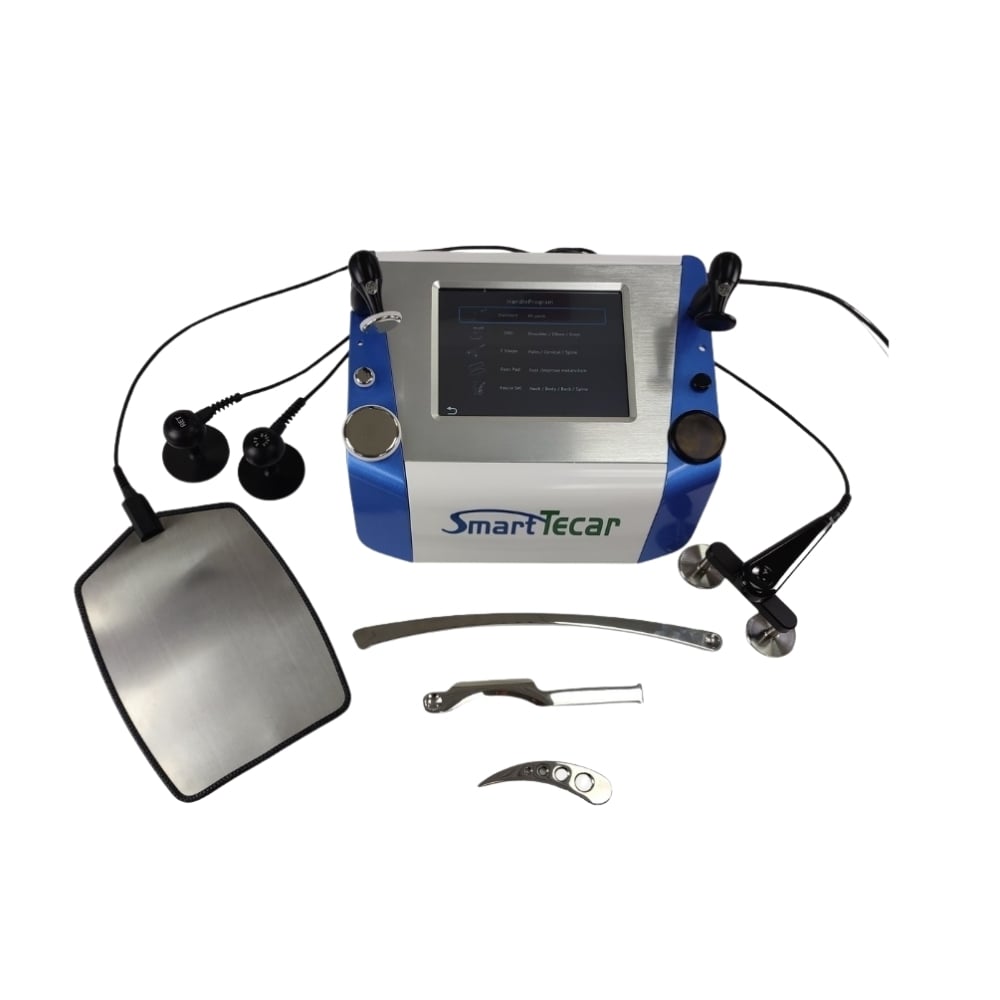
This workflow is intended for routine inspection and maintenance planning, not a substitute for the service manual or qualified technical repair. Because a radiofrequency therapy device uses electrical energy and patient-contact components, follow the manufacturer’s isolation, cleaning, and safety procedures. Careful checks help keep capacitive resistive electric transfer predictable and support the intended delivery of deep heat therapy.
Before inspection, place the tecar unit on a stable surface, switch it off, and disconnect power as directed by its manual. Allow any required cool-down period, then note the date, operating hours if available, reported symptoms, and recent service history. A short record gives technicians context and helps distinguish a new fault from normal variation in tecar therapy sessions.
Check the housing, ventilation openings, mains lead, plug, and visible connectors for damage, looseness, contamination, or unusual heat marks. Keep liquids and cleaning agents away from openings unless the instructions specify an approved method. For a radiofrequency therapy device, visible wear around cables or sockets deserves attention because it may affect both safe operation and signal delivery.
Examine each electrode, return plate, cable, and connector for cracks, exposed conductors, bent contacts, or residue. Confirm that the accessories match the unit and are seated securely; do not twist a connector or improvise a replacement. In capacitive resistive electric transfer, the condition of both the active applicator and return path matters, so record defects and remove questionable parts from use.
Clean patient-contact surfaces only with products and methods approved for the materials. Residue can change contact quality, while aggressive solvents may damage finishes or insulation. Check that reusable accessories are fully dry before testing. This basic preparation supports even deep heat therapy and provides a dependable starting point before assessing controls or output.
Reconnect the equipment only when the manual permits, and begin with a no-load or test procedure specified by the manufacturer. Confirm that the screen, mode selection, timer, intensity controls, and safety indicators respond as expected. During tecar therapy, stable energy depends on accurate settings and an intact path from the generator through the cable to the applicator.
Use an approved test load or service fixture where required; do not judge output by touching an electrode or relying on a patient as a test. A radiofrequency therapy device should be assessed using its prescribed checks, with the selected mode and accessory documented. If readings fluctuate, alarms appear, or controls behave inconsistently, stop and refer the unit to qualified service personnel.
Where the unit provides capacitive and resistive modes, test each according to its own procedure rather than assuming one confirms the other. Capacitive resistive electric transfer uses different electrode characteristics and treatment paths, so accessory compatibility and connection quality should be verified for each mode. Record the settings and test conditions to make later comparisons meaningful.
Look for repeatable response, not a subjective impression of warmth. Deep heat therapy is an intended treatment effect, not a maintenance measurement, and perceived temperature can vary with contact, tissue, and user technique. If a properly conducted check falls outside the manufacturer’s limits, discontinue clinical use until inspection or calibration is completed by an authorized technician.
After use, clean accessories as directed, inspect them while dry, and store cables without tight bends or tension at their connectors. Keep the tecar unit away from excessive dust, moisture, and heat, while preserving the ventilation clearance stated in the manual. Good housekeeping protects the radiofrequency therapy device from avoidable wear and makes defects easier to spot.
Use a simple maintenance log for cleaning, accessory changes, faults, and service actions. Record which mode was involved and whether the issue occurred during capacitive resistive electric transfer or another operating condition. Consistent records can reveal recurring cable damage, intermittent connections, or a gradual change in test results before those issues disrupt routine tecar therapy delivery.
Remove equipment from service if there is visible electrical damage, an unexplained alarm, unstable output, or an accessory that cannot be secured correctly. Do not open the casing, alter internal components, or bypass a safety feature. Such work belongs to qualified personnel following the service documentation for the particular tecar model.
Follow the manufacturer’s calibration interval and local equipment policies, and arrange an earlier assessment after a drop, liquid exposure, or repeated abnormal test. A radiofrequency therapy device should return to clinical use only when required checks pass and the work is documented. This disciplined approach supports predictable capacitive resistive electric transfer and helps preserve the intended conditions for deep heat therapy.
Inspect cables, applicators, and controls before use, and follow the manufacturer’s schedule for formal testing and calibration. Regular tecar therapy equipment checks can identify wear, while recorded radiofrequency therapy device results help show whether performance is changing. The exact interval depends on the model and facility policy.
No. Hand contact is not a safe or reliable output test. Use the specified test procedure for capacitive resistive electric transfer, approved fixtures, and trained personnel. Deep heat therapy describes a treatment objective, not a substitute for technical measurement or a reason to bypass the manual.
Stop use, document the settings and observed behavior, and check external connections only as permitted by the instructions. A tecar therapy unit with irregular output should be assessed before returning to service. Qualified technicians can test the radiofrequency therapy device and confirm whether capacitive resistive electric transfer remains within specification.

