

 EN

how-to-solve-air-leak-problems-in-airdriven-shockwave-machines, how-to-solve-air-leak-problems-in-airdriven-shockwave-machines, /blog
EN
An air leak can reduce treatment consistency, create excess noise, and interrupt a busy clinical schedule. To troubleshoot a shockwave machine, start by making the equipment safe, then isolate the leak before replacing parts. This guide explains a practical sequence for identifying common leak points, checking pneumatic components, and confirming a repair. A shockwave device should be assessed methodically rather than operated repeatedly while pressure loss continues.
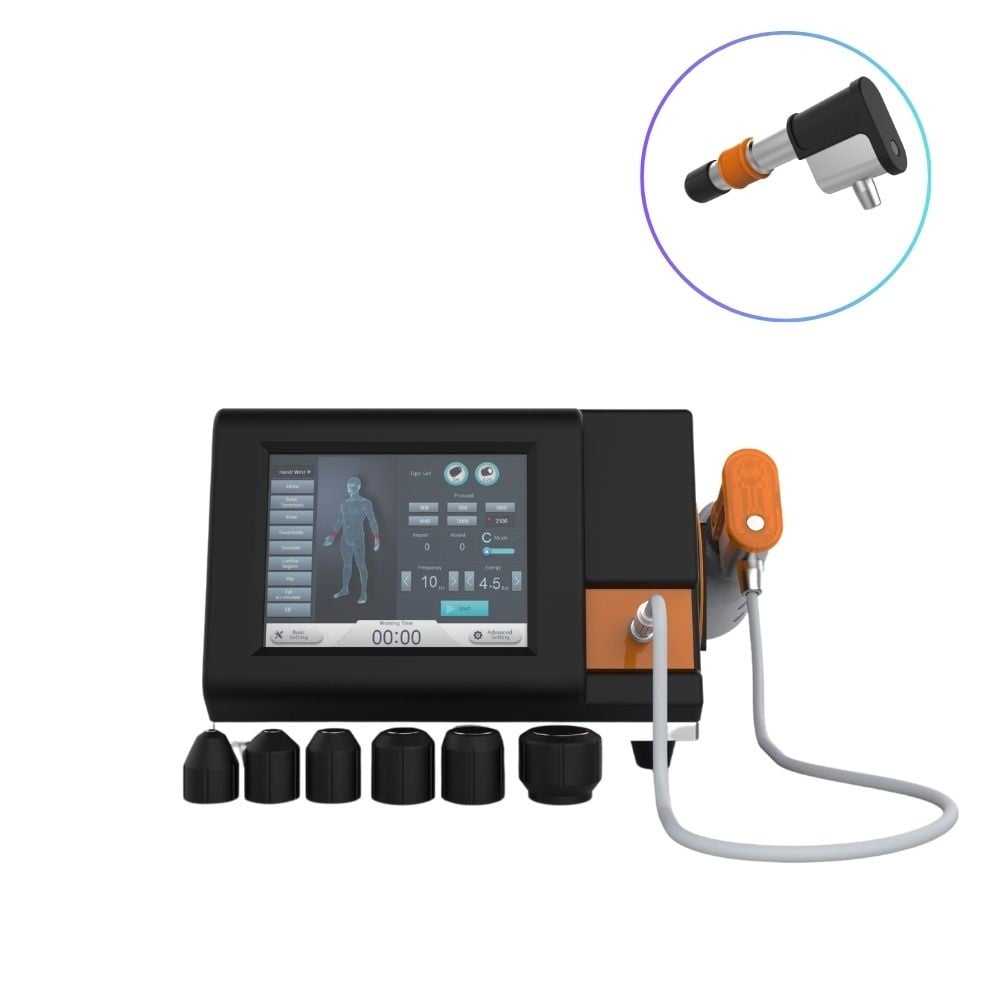
For physiotherapy shockwave equipment, a small leak may first appear as slow pressure recovery, a hissing sound, or a change in the handpiece response. A shockwave unit may also cycle more often as it tries to maintain operating pressure. Record what you observe before changing settings; those details help narrow the cause and make the repair easier to verify.
Switch off the shockwave machine and follow its service instructions before touching pneumatic connections. Disconnect the air supply where the manual directs, release stored pressure using the approved procedure, and allow hot components to cool. In physiotherapy shockwave work, safety comes before speed: never loosen a pressurized fitting or open a housing that is intended for qualified service personnel.
With the system depressurized, inspect the external hose, couplings, regulator, and visible seals for looseness, cracking, abrasion, or contamination. A shockwave device can lose air at a connection that looks seated but has a worn seal or damaged thread. Check that the shockwave unit sits on a stable surface and that hoses are not sharply bent, pulled tight, or pinched behind nearby equipment.
Reconnect and pressurize only as the operating manual permits, keeping hands clear of moving parts. Listen around accessible joints for a steady hiss; use an approved leak-detection solution if the manufacturer allows it, and watch for bubbles without allowing liquid into electrical or internal areas. A shockwave machine that leaks only during a treatment cycle may have a connection that shifts under vibration, so observe the system from a safe position. For physiotherapy shockwave equipment, note the exact location and operating condition rather than guessing from sound alone.
Confirm that the incoming air supply matches the equipment requirements and remains stable during operation. If pressure at the source is steady but the shockwave unit loses pressure downstream, inspect the hose and couplings section by section. A shockwave device may show symptoms similar to a machine fault when the supply line is damaged, so test the supply independently where the manual provides a safe method. In physiotherapy shockwave settings, avoid sharing a line with equipment that causes pressure fluctuations unless the installation guidance permits it.
Look for external wear where a hose meets a connector, where it passes a cabinet edge, and at points exposed to frequent movement. Do not bend or pull a pressurized hose to provoke a leak. If the shockwave device has a removable external line, replace it only with a specification-approved part and check that the fitting is clean before assembly. Record the pressure reading and the time taken to recover; these observations can distinguish a supply issue from a continuing leak in the equipment.
If external connections appear sound but the shockwave machine still loses pressure, possible causes include a worn internal seal, valve, regulator, or handpiece connection. These parts may require specialized tools and calibration, so do not open the enclosure unless you are authorized and trained. A shockwave device that cycles unusually often, fails to reach its normal operating condition, or leaks from inside the housing should be taken out of clinical use for assessment. For physiotherapy shockwave care, document the symptoms and refer the unit to qualified service support.
Once the leak point is confirmed, correct only the fault identified. Reseat an approved external connector according to the manual, replace a damaged hose with the specified type, or arrange service for internal pneumatic parts. A shockwave machine should not be sealed with improvised tape, adhesives, or substitute fittings, because these can obstruct airflow or make later inspection harder. Keep removed components and service notes available for traceability.
After any permitted external repair, inspect the connection again before restoring normal use. The shockwave machine should be tested against its operating instructions, not an assumed pressure target. A shockwave device should hold pressure without persistent hissing, unexpected cycling, or visible bubbles at checked joints. If those signs remain, stop and escalate instead of repeatedly tightening the fitting.
Run the approved functional check with no patient connected, then confirm pressure stability and normal handpiece behavior. A shockwave unit should complete its check without recurring alarms or unexplained pressure decline. In physiotherapy shockwave rooms, include the hose route, connector condition, and leak-check result in the maintenance record so another operator can identify changes over time.
Prevention depends on handling as much as inspection. Avoid dragging equipment by its hose, keep connectors free of dust, and follow the recommended maintenance interval for seals and pneumatic parts. Train staff to report a new hiss, slower recovery, or altered output promptly. These simple habits help a shockwave machine remain available for planned work while reducing the chance that a minor connection fault develops into a larger service interruption.
Do not assume a minor hiss is harmless. Stop use if pressure is unstable, output changes, an alarm appears, or the leak source is unclear. A shockwave device should return to service only after the cause is addressed and the approved functional check passes.
Begin with the incoming supply, external hose, and accessible couplings, using the manual’s safety procedure. A shockwave unit may lose pressure because of its supply line rather than an internal fault. For physiotherapy shockwave equipment, record readings and visible symptoms before arranging service.
Arrange qualified service when an internal leak is suspected, external checks do not resolve pressure loss, or the equipment behaves abnormally. A shockwave machine should not be opened or adjusted beyond the operator procedures in its documentation.

