

 EN

how-to-solve-fiber-breakage-during-endolaser-body-procedures, how-to-solve-fiber-breakage-during-endolaser-body-procedures, /blog
EN
Fiber breakage during endolaser body procedures calls for a controlled pause, not an attempt to push through resistance. The safest response is to stop energy delivery, assess the handpiece and fiber according to the device instructions, and identify whether the cause is bending, handling, connection, or a damaged consumable. A repeatable process helps clinical teams protect patients, equipment, and procedure continuity.
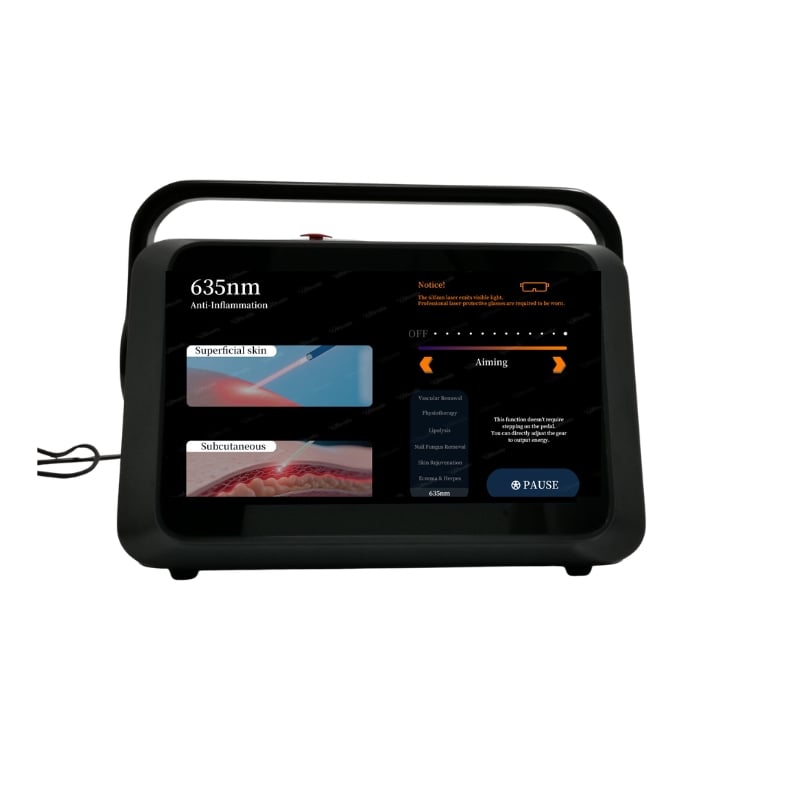
A laser lipolysis fiber can fail before treatment, during insertion, or while being moved through tissue, and each situation needs careful evaluation. For an endolaser treatment, first follow the manufacturer’s instructions and local clinical protocols; do not restart until the fiber, connection, and handpiece have been checked. The steps below explain how to investigate breakage and reduce the chance of recurrence without substituting for clinical training.
When an endolaser fiber stops transmitting normally, shows visible damage, or meets unexpected resistance, stop emission and follow the device’s shutdown procedure. Keep the operative field under the clinician’s control and avoid pulling, twisting, or advancing a suspect fiber. A minimally invasive laser device should only be inspected or handled by trained personnel, using the precautions specified for that model.
Record when the issue occurred: during setup, passage through a cannula, movement in tissue, or withdrawal. Note the energy settings in use, the route of insertion, and any unusual tactile or visual signs, while protecting patient privacy. These details help distinguish a damaged laser lipolysis fiber from a connector problem or a procedural factor, and they give the team a useful basis for review before the next endolaser treatment.
After placing the system in a safe state, inspect accessible components only as the instructions permit. Look for kinks, cracks, a damaged distal tip, contamination, loose connections, or an abnormal bend radius; never test a questionable fiber by activating it in open air or directing energy toward a person. If the laser lipolysis fiber is broken, treat fragments as a potential foreign-body concern and follow clinical policy for locating and managing them.
A connector that appears intact does not prove that the optical path is safe. Do not splice, straighten sharply, or reuse a damaged component unless the device documentation explicitly permits a particular action. Record the serial or lot information where required, remove suspect consumables from service, and refer equipment faults to qualified technical support. This disciplined check protects both the patient and the endolaser system.
Repeated flexing, tight curves, compression under instruments, or an unsuitable cannula path can stress a laser lipolysis fiber. During setup, keep the route smooth and within the bend limits specified for the fiber, secure slack so it cannot snag, and avoid placing heavy equipment over the cable. A minimally invasive laser device performs as intended only when its fiber is handled within the specified mechanical limits.
Before insertion, check that the selected accessories are compatible and that the fiber is correctly seated. During movement, use controlled motions rather than forcing the tip through resistance. If the path becomes difficult, stop and reassess technique and positioning under the responsible clinician’s direction. These simple controls reduce avoidable stress on the fiber and support a more predictable endolaser treatment.
A break can also follow incorrect assembly, a worn accessory, or a mismatch between the fiber and handpiece. Confirm the approved components, connection steps, and pre-use checks in the device instructions; do not assume that parts with similar dimensions are interchangeable. When a minimally invasive laser device reports an error or behaves unexpectedly, use its approved troubleshooting path rather than repeatedly reconnecting or activating it.
Review whether the laser lipolysis fiber was stored, transported, and prepared as directed, including any limits on reuse or sterilization. If there is any uncertainty about compatibility or integrity, replace the consumable with an approved, undamaged item and document the decision. Before resuming an endolaser treatment, the clinician should confirm that the cause has been addressed, the system passes required checks, and the patient’s situation remains appropriate for continuation.
A written pre-use routine can make fiber problems easier to prevent and recognize. Assign trained staff to confirm component compatibility, inspect the laser lipolysis fiber, verify connections, and route the cable without tight turns or pinch points. A minimally invasive laser device should be used only by personnel trained on that model, with responsibilities for inspection and escalation clear before the procedure begins.
When breakage occurs, document the timing, observed damage, device messages, and actions taken. Include whether energy was being delivered and whether any fragment may remain in the treatment area, then follow the organization’s clinical reporting and incident procedures. Reviewing these records can reveal recurring setup or handling patterns, helping teams adjust training and reduce repeated interruptions to endolaser treatment.
Do not resume simply because a fiber looks usable after a suspected failure. Replace it when damage is visible, performance is uncertain, or the instructions call for replacement, and quarantine the affected item when required. If the fault may involve the handpiece, console, or optical pathway, keep the minimally invasive laser device out of service until an authorized assessment confirms its status.
A practical decision sequence is to stop energy, protect the patient, inspect only as permitted, replace suspect consumables, and escalate unresolved equipment concerns. Apply the same checks before a subsequent endolaser treatment, even if the earlier event seemed minor. This process is more reliable than trying to compensate with altered settings or extra force, which can create new risks without identifying the original cause.
No. A broken or suspect laser lipolysis fiber should not be reused unless the specific device instructions explicitly establish a safe procedure, and a damaged fiber should ordinarily be removed from service. Follow clinical policy for fragments, replacement, and reporting.
Confirm the patient and treatment plan remain appropriate, the cause has been addressed, compatible components are correctly connected, and required device checks pass. For an endolaser treatment, a trained clinician should make the restart decision under the applicable protocol. If any concern remains, do not resume and escalate for assessment.
Use model-specific training, inspect the laser lipolysis fiber before use, maintain a smooth cable path, and document incidents consistently. During endolaser treatment, avoid forcing the fiber through resistance and pause when its condition is uncertain. These routine safeguards support safer decisions and clearer follow-up.

