

 EN

how-to-solve-slow-response-to-shockwave-therapy-in-chronic-cases, how-to-solve-slow-response-to-shockwave-therapy-in-chronic-cases, /blog
EN
When a chronic condition responds slowly, the next step is not automatically to increase treatment intensity. A better approach to shockwave therapy is to reassess the diagnosis, delivery plan, and recovery conditions together. Extracorporeal shockwave care is one part of a broader clinical process, so persistent symptoms call for a structured review rather than a rushed change.
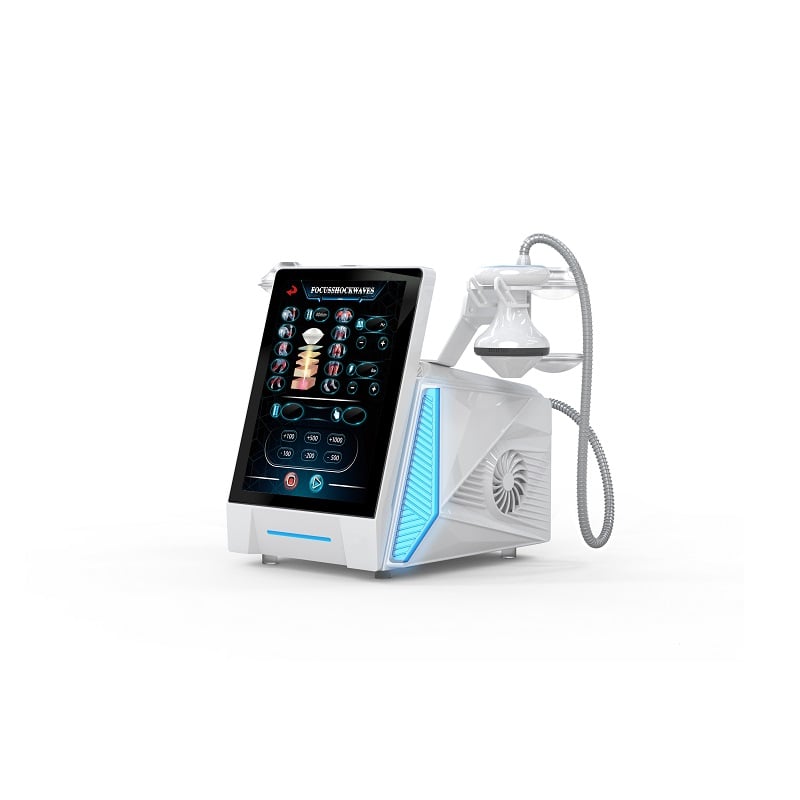
Slow progress can reflect an inaccurate working diagnosis, an unsuitable treatment dose, inconsistent attendance, or ongoing mechanical stress. This guide explains how clinicians can investigate those factors, refine shockwave treatment, and agree on meaningful checkpoints within musculoskeletal therapy. The aim is a reasoned adjustment plan that accounts for chronicity and individual response.
Start by confirming that the symptoms and examination findings still fit the original diagnosis. Chronic pain can involve more than one tissue or movement pattern, and a change in symptoms may warrant a fresh clinical assessment before continuing shockwave therapy. Ask about the location and behavior of pain, functional limits, recent injuries, and other care received. A treatment plan works only when it addresses the current problem.
Then review factors that may be maintaining irritation, such as repetitive loading, limited recovery time, altered movement, or a sudden return to demanding activity. These details matter in musculoskeletal therapy because a clinic session cannot offset every source of daily strain. If extracorporeal shockwave is being used, verify that the intended tissue and treatment area remain appropriate. Reassessing the case helps distinguish a slow biological response from a mismatch in the care plan.
Review the actual treatment record, including session spacing, energy settings, applicator choice, target location, and patient tolerance. Shockwave treatment should follow a consistent clinical rationale, while settings should reflect the condition and the person’s response. Confirm that the device is being used as intended and that the clinician can reproduce the treatment area accurately. A process audit may reveal variation that explains an uneven response.
Also check whether the patient understood the expected schedule and attended sessions consistently. One isolated visit rarely tells the whole story, and discomfort during treatment may affect later participation. In shockwave therapy, comfort, accurate targeting, and appropriate progression should be reviewed together rather than treated as separate issues. Record the reason for any adjustment, including changes to shockwave treatment parameters, so the next review has a clear reference point.
If the diagnosis remains sound, adjust one meaningful variable at a time. A clinician may review intensity, pulses, treatment interval, or the targeted area in light of the clinical findings and applicable protocols. Avoid making several changes at once, because that makes it harder to identify what helped or caused a flare. Extracorporeal shockwave plans should be individualized, and shockwave therapy should not be escalated simply because improvement is slower than hoped.
Patient tolerance is useful information, but it is not a stand-alone measure of effectiveness. Discuss how symptoms behave during treatment and in the following day or two, then compare that pattern with function. In musculoskeletal therapy, a manageable temporary response may be interpreted differently from a sustained increase in pain or reduced activity. Keep shockwave treatment decisions linked to documented observations and clinical judgment.
Review activity demands alongside the in-clinic plan. Work tasks, sport, footwear, equipment, and home routines can repeatedly load the affected area, limiting the opportunity for recovery. Guidance on pacing or graded exercise may complement shockwave therapy when clinically appropriate. Extracorporeal shockwave is not a substitute for addressing modifiable contributors, and the plan should explain how daily activity supports rather than contradicts treatment.
Coordination matters when a patient receives several forms of care. Clarify which clinician monitors symptoms, who changes exercise or activity guidance, and how new concerns will be communicated. Musculoskeletal therapy is more coherent when the patient hears consistent advice about loading and progression. If shockwave treatment is combined with another intervention, schedule and review the components deliberately instead of assuming that more treatment means faster improvement.
Before the next phase, agree on a small set of practical measures: pain during a relevant task, range of movement where appropriate, walking or lifting tolerance, and progress toward a patient-defined goal. Record a baseline and review it at planned intervals. This makes a slow shockwave therapy response easier to interpret than relying on memory or a single good or bad day. Use the same measures consistently when evaluating shockwave treatment.
Explain that chronic conditions may change gradually, and that improvement can include better function even if discomfort has not disappeared. Set a review point based on the care plan, not an arbitrary promise of a specific result. In musculoskeletal therapy, shared expectations can improve decision-making because both clinician and patient can identify meaningful change. Clear records also show whether extracorporeal shockwave remains a reasonable part of the overall approach.
If there is no meaningful progress after a suitable monitored course, revisit the diagnosis and consider whether further assessment or a different care strategy is indicated. New symptoms, worsening function, or an unexpected reaction should prompt timely clinical review rather than automatic continuation. A disciplined reassessment protects against repeating shockwave therapy without a clear rationale and helps identify when shockwave treatment should pause.
Close the loop with the patient by summarizing what was reviewed, what will change, and when the next decision will be made. Include activity guidance and criteria for contacting the clinician sooner. This approach keeps musculoskeletal therapy focused on function and safety, while allowing the clinician to judge the contribution of extracorporeal shockwave over time. Progress may require a revised plan, not simply more sessions.
Use the planned review schedule and the patient’s documented response rather than a universal timeline. If function worsens or new concerns appear, arrange clinical reassessment sooner. Shockwave therapy decisions should reflect diagnosis, tolerance, and progress together.
Not automatically. First verify the diagnosis, targeting, session consistency, and activity demands. A clinician can decide whether shockwave treatment settings need adjustment while avoiding several simultaneous changes that make outcomes difficult to interpret.
Track a relevant daily activity, symptom behavior, and any change in function, then share the observations with the care team. These notes help guide musculoskeletal therapy and clarify whether extracorporeal shockwave remains suitable.

