

 EN

how-to-solve-spot-size-mismatches-during-diode-laser-treatments, how-to-solve-spot-size-mismatches-during-diode-laser-treatments, /blog
EN
Spot size mismatches during diode laser treatments can make coverage uneven, complicate treatment planning, and create uncertainty about whether settings are being delivered as intended. Solving the problem starts with separating a true beam-size issue from a measurement error, an applicator problem, or a change in technique. A diode laser hair removal machine should be checked systematically before treatment continues.
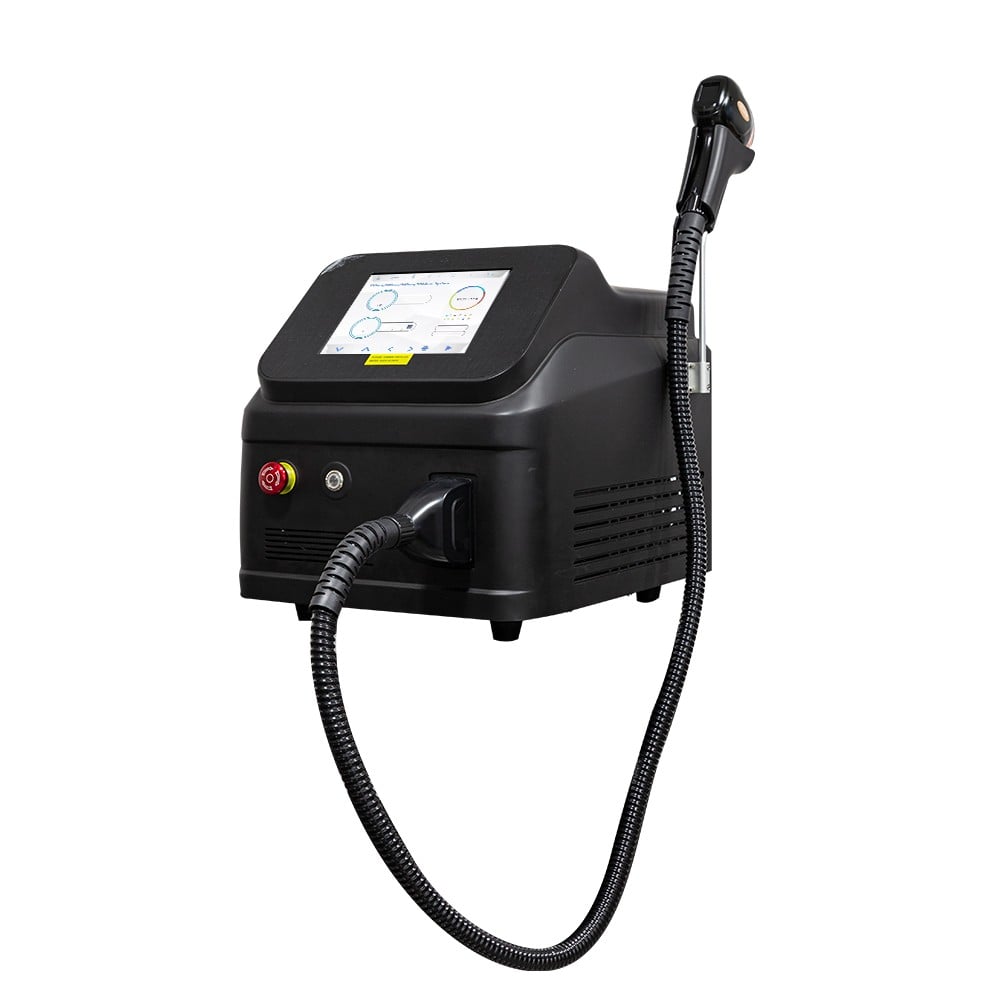
The practical goal is to confirm the actual treatment footprint, identify where it differs from the expected spot, and correct the cause rather than compensate blindly with settings. This process applies whether a hair removal laser is being used for a small, contoured area or a larger treatment zone. Record the findings and follow the device instructions throughout.
Begin by checking how the spot size was determined. Confirm the handpiece model, treatment window dimensions, and the measurement method against the device documentation. A diode laser hair removal machine may display a nominal spot size that refers to the optical window, while the visible treatment footprint can appear different because of the angle, contact, or measurement surface.
Use a consistent, manufacturer-approved method and measure on an appropriate test surface rather than estimating from a treatment area. Keep the applicator perpendicular and maintain repeatable contact conditions. When an 808nm diode laser is checked, document the stated window size and the observed footprint separately so a nominal specification is not mistaken for a measured result.
Examine the window for residue, scratches, cracks, or uneven deposits, and inspect the surrounding applicator for looseness or damage. Clean only as directed in the operating instructions. A professional hair removal device depends on a clear, correctly seated optical surface; contamination or a damaged window can make the illuminated area look irregular without changing the intended spot dimensions.
If the measured footprint remains inconsistent, pause clinical use and record the handpiece identifier, displayed settings, and inspection results. Do not try to correct a suspected optical fault by increasing energy or changing pulse duration. A hair removal laser needs a reliable contact surface and verified delivery before settings can be meaningfully assessed.
Next, confirm that the applicator sits flat against the skin or test surface as specified. Tilting, rocking, or uneven pressure can distort the apparent footprint and leave gaps or overlaps between pulses. For a diode laser hair removal machine, stabilize the handpiece and compare several placements under the same conditions before concluding that the optical spot itself has changed.
Review the treatment path as well as the single-pulse footprint. An 808nm diode laser treatment can appear to have a spot-size problem when the operator changes overlap, hand speed, or placement angle between passes. Use a consistent technique that follows training and device guidance; do not compensate for uncertain coverage by repeatedly treating the same area.
Compare the active handpiece and selected treatment mode with the intended protocol. Confirm that the control display, applicator connection, and cooling system show no alerts, then consult the operator manual for any permitted checks. A professional hair removal device should be evaluated under the correct configuration, since an incorrect applicator or mode can make comparisons unreliable.
Keep a short record of the conditions used for each check, including the surface, contact, and selected mode. This gives service personnel useful evidence if the mismatch persists. When assessing a hair removal laser, distinguish a visibly uneven beam from a footprint that is simply different from an expectation based on another handpiece or previous setup.
If the cause is technique, retrain on positioning and consistent overlap before resuming the planned workflow. If cleaning resolves the issue, follow the specified cleaning procedure and recheck the footprint. If the window, connection, or beam still appears abnormal, stop using that applicator and arrange qualified inspection. A diode laser hair removal machine should not be used with unresolved delivery concerns.
Do not enlarge an apparent spot by changing energy, pulse duration, or repetition rate without an approved clinical reason. Those parameters do not repair an optical mismatch and may alter treatment risk. An 808nm diode laser must be operated within its instructions and the practitioner’s training, with skin type, treatment area, and patient response considered independently of spot-size troubleshooting.
After a correction or service check, repeat the same measurement with the same method and compare results with the documented specification. Confirm consistent contact and an even footprint across repeated placements. A professional hair removal device is ready for normal use only when checks are satisfactory, the cause is understood, and any required service clearance has been completed.
For clinical coverage, return to a controlled pattern rather than relying on memory. Mark or visualize the treatment zone as appropriate, maintain the approved overlap, and reassess if the applicator begins to behave differently. A hair removal laser should be monitored during use, with unexpected changes prompting a pause instead of an improvised setting adjustment.
Yes. A tilted applicator or uneven contact can change the visible footprint and coverage. First confirm alignment and technique; do not alter the diode laser hair removal machine settings to compensate. If the footprint stays irregular under consistent conditions, stop and arrange an inspection.
No. Pause use until the issue is understood and the device checks meet its instructions. For an 808nm diode laser, consult the operator manual or qualified service support. A professional hair removal device should not be used when delivery appears abnormal.
Note the applicator, measurement method, surface, settings, contact conditions, and observed footprint. These details help distinguish technique variation from an equipment fault. If a hair removal laser still shows a mismatch, share the record with qualified service personnel before resuming treatment.

