

 EN

how-to-solve-uneven-depth-in-microneedling-machine-treatments, how-to-solve-uneven-depth-in-microneedling-machine-treatments, /blog
EN
Uneven treatment depth can lead to inconsistent results, unnecessary irritation, and difficult aftercare. To solve it, first identify whether the cause is technique, device setup, cartridge contact, or variation in the treatment area. A microneedling machine should be used with a controlled plan, not adjusted by guesswork during a session.
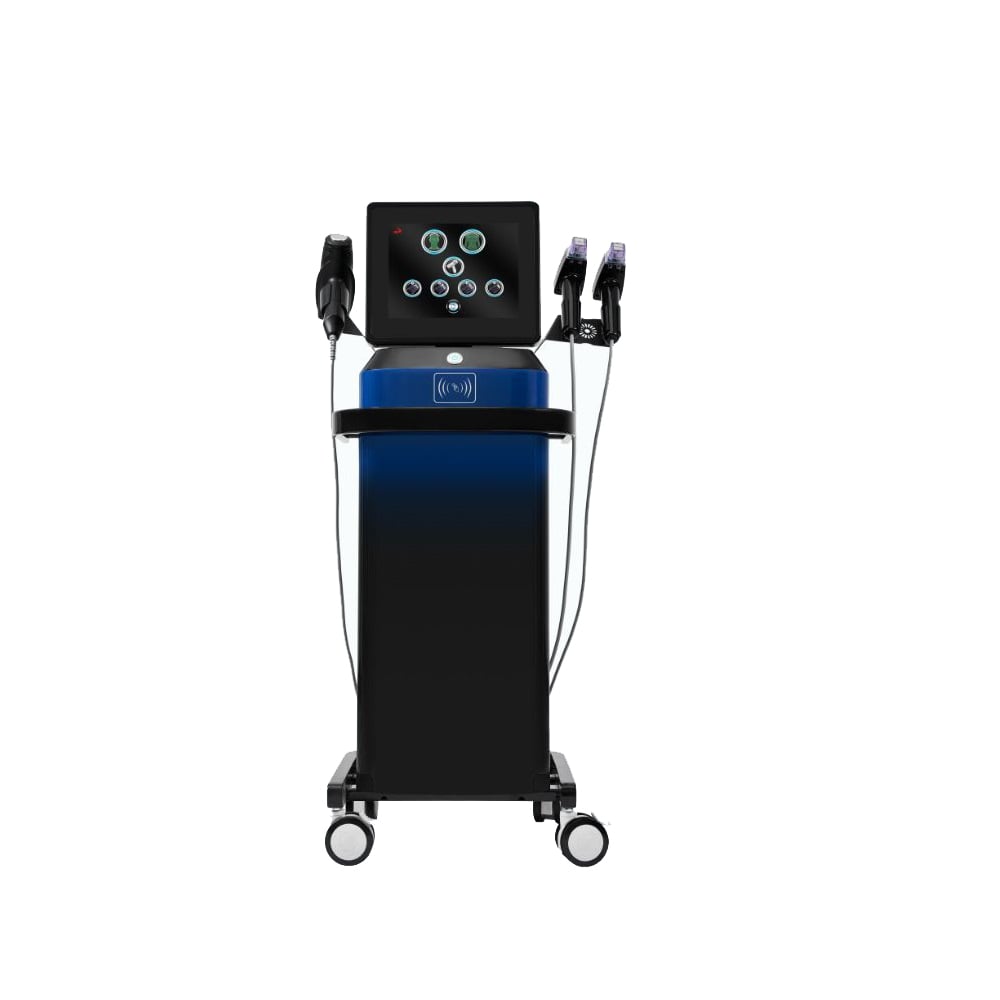
The practical fix is to standardize the conditions before treatment, then use a consistent pattern and reassess the skin as you work. Whether a clinic uses skin needling equipment for a basic procedure or an rf microneedling device for a combined treatment, depth must follow the professional protocol, device instructions, and client assessment. The steps below focus on finding the source of variation and correcting it safely.
Start by reviewing the treatment record, device configuration, cartridge, and operator technique. A microneedling machine may appear to deliver uneven depth when the operator changes pressure, hand angle, movement speed, or overlap between passes. Skin needling equipment should be checked for secure cartridge attachment and correct operation before a client is treated. Confirm that the selected settings match the manufacturer instructions and the qualified treatment protocol.
Observe the working hand rather than relying only on the final appearance. Inconsistent pressure can compress soft tissue in one area and allow less contact in another, while a tilted handpiece can change how the needles meet the surface. With an rf microneedling device, confirm that the selected mode and treatment parameters are appropriate for the planned procedure. A collagen induction device also requires consistent contact and movement, even when its controls differ from those of another system.
Facial contours, scars, and differences in tissue thickness can make a uniform hand movement feel uneven. Do not assume that the same setting is suitable for every location or every client. Instead, follow professional training and the approved protocol when adapting treatment to the area. A collagen induction device is not a substitute for assessment, and an rf microneedling device should not be adjusted to compensate for an unclear treatment plan.
Before starting, position the client comfortably and establish a repeatable working posture. Keep the handpiece contact and movement consistent, and divide the treatment area into manageable zones so coverage is easy to monitor. A microneedling machine is easier to control when the operator avoids rushing, abrupt turns, and repeated passes over the same point. This approach also helps skin needling equipment deliver a more consistent pattern within the limits of its design.
Use the device as directed, maintaining the intended contact rather than pressing harder to force a result. If the handpiece skips, drags, or loses contact, pause and check positioning, cartridge seating, and the treatment surface. Do not compensate by making an unapproved setting change. This matters with an rf microneedling device because energy delivery and needle action may both be involved; follow the specific training and instructions for that device. A collagen induction device should likewise be operated within its stated use.
When an area appears inconsistent, stop and assess the cause before continuing. Review the protocol, verify the control setting, and check whether the difference comes from angle, pressure, movement, or anatomy. Change only what the authorized procedure allows, then reassess the next area. A microneedling machine should not be used to chase a particular visual response, and an operator should not increase depth simply because one region looks different.
For a combined procedure, separate the checks for needle action and other device functions. An rf microneedling device may have controls that require specific preparation and technique, so confirm each setting against the instructions rather than assuming that one adjustment corrects every issue. Keep skin needling equipment clean and maintained according to its documentation. If performance remains irregular, discontinue use and seek qualified technical support before resuming treatment.
A repeatable workflow begins before the appointment. Confirm device condition, cartridge compatibility, treatment-area preparation, and the planned settings. Record relevant details consistently so another qualified practitioner can understand what was done and why. A microneedling machine used within a documented process is easier to assess when outcomes vary. The same preparation discipline applies to skin needling equipment, regardless of whether the treatment is standalone or part of a broader service.
Include operator training and routine maintenance in the clinic process. Staff should understand the device controls, cartridge installation, cleaning requirements, and signs that equipment needs inspection. For an rf microneedling device, training should cover the specific functions and safety steps described for that model. A collagen induction device should be checked against its own operating guidance; familiarity with one platform does not automatically qualify someone to operate another.
Review treatment notes and client follow-up for recurring patterns, such as variation in one anatomical area or with one operator. Look for process factors before making changes to settings. If the same issue repeats, observe a session, revisit training, and check equipment condition. This practical review helps a microneedling machine remain part of a controlled workflow rather than a source of unexplained variation.
Avoid using redness or another immediate skin response as the sole measure of depth. Response varies by person and treatment area, and visual appearance cannot replace professional assessment or device guidance. When results raise concern, use the established clinical escalation process and document the decision. These habits support consistent use of a collagen induction device and help teams apply skin needling equipment with appropriate care.
Pause and review handpiece contact, angle, movement, cartridge seating, and selected settings against the approved protocol. Check the treatment area and client assessment too. Do not make an unapproved adjustment to an rf microneedling device just to correct an appearance.
Yes. Pressure, hand angle, movement speed, and overlap can all contribute to variation. Standardized training and documentation help practitioners use skin needling equipment more consistently, while still accounting for individual anatomy and treatment plans.
Stop using it if operation remains irregular after the approved checks, if a component appears damaged, or if the device instructions call for inspection. Contact qualified support before resuming. A collagen induction device should be used only when its condition and operation meet the stated requirements.

